

What Plywood Thickness Should You Use?
For most cabinet boxes, shelves, built-ins, and furniture panels, 3/4-inch plywood is the safest starting point. Use 1/2-inch plywood for smaller or well-supported components and 1/4-inch plywood for cabinet backs, light drawer bottoms, inserts, and other non-load-bearing panels. The final choice depends on unsupported span, expected load, support, core construction, and joinery. For exact fractions, decimal measurements, and millimeter conversions, see the complete plywood thickness chart.
Choosing plywood thickness is not simply a matter of selecting the thickest sheet available. A panel that works well as a cabinet back may fail as a long shelf, while a 3/4-inch panel may still need a center support when the span or load becomes excessive. This guide explains how to choose thickness by the job the panel must perform—not only by the number printed on the label.
Load
Books, dishes, tools, appliances, and wide drawers place more demand on a panel than decorative items.
Unsupported Span
The farther a panel runs between supports, the more likely it is to flex or sag over time.
Support & Joinery
Dados, cleats, captured backs, fixed shelves, front strips, and center supports change how the panel performs.
Five Factors That Decide the Right Plywood Thickness
Thickness is one part of the decision. The same nominal thickness can perform differently depending on the project design, core quality, support layout, and how the parts are joined. Review these five factors before ordering or cutting sheets.
Expected Load
A decorative wall panel carries almost no load. A pantry shelf holding small appliances, canned goods, or dishes carries much more. As load increases, use a thicker panel, reduce the span, or add support.
Unsupported Span
Span is the distance between the points supporting the panel. Longer shelves and wider drawer bottoms flex more than shorter parts, even when both pieces are cut from the same sheet.
Support Conditions
A fixed shelf captured in dados on both sides is supported differently from an adjustable shelf resting on four pins. A center divider, back cleat, bracket, or solid front strip can improve stiffness and reduce sag.
Component Function
Cabinet sides, cabinet backs, drawer bottoms, shelves, partitions, doors, and decorative panels do not perform the same job. Choose thickness for the component—not for the project name alone.
Core, Fasteners & Joinery
Core construction affects edge quality, screw holding, routing, and resistance to weak spots. Dados, rabbets, confirmat screws, pocket screws, dowels, and CNC-cut joints also require enough material for a reliable connection.
Plywood Thickness by Cabinet, Shelf, and Furniture Part
Use this table as a practical starting point for interior cabinet, closet, shelving, furniture, and millwork projects. It is not a structural engineering table. Increase support or consult the project specification when the panel carries unusual loads, spans a large opening, or forms part of a code-regulated assembly.
| Project Component | Practical Starting Point | When to Use More Support or Thickness | What to Watch |
|---|---|---|---|
| Cabinet sides, bottoms, tops, and partitions | 3/4 inch | Tall cabinets, wide openings, heavy contents, or hardware that places concentrated loads on the panel. | Core quality, screw holding, flatness, and accurate joinery. |
| Fixed cabinet shelves | 3/4 inch | Longer spans or heavy storage may need a center divider, back cleat, or structural front strip. | Unsupported span and expected load matter more than thickness alone. |
| Adjustable cabinet shelves | 3/4 inch | Add support sooner than with a shelf captured in dados because shelf pins provide localized support. | Pin location, shelf depth, load distribution, and front-edge stiffness. |
| Cabinet backs | 1/4 inch when captured or securely fastened | Use 1/2 inch when the back contributes more rigidity, supports installation hardware, or spans without a captured groove. | How the back is attached and whether it helps square the cabinet box. |
| Light drawer bottoms | 1/4 inch | Move to 1/2 inch for wide drawers, heavier contents, or bottoms with limited groove engagement. | Drawer width, load, groove depth, and bottom support. |
| Wide or heavy drawer bottoms | 1/2 inch | Very wide shop or storage drawers may also need a center support or stronger drawer-box design. | Bottom deflection, hardware capacity, and total drawer weight. |
| Closet sides, partitions, and built-ins | 3/4 inch | Tall or freestanding units may need additional backs, stretchers, anchoring, or intermediate partitions. | Racking resistance, anchoring, and long vertical panels staying flat. |
| Furniture panels and casework | 1/2 to 3/4 inch | Use 3/4 inch when the panel carries weight, holds fasteners, or must feel rigid across a larger area. | Joinery type, visible edges, hardware, and finished appearance. |
| Decorative wall panels, inserts, and skins | 1/4 to 3/8 inch | Use a thicker panel when the surface must bridge irregular framing or remain flat without continuous backing. | Substrate flatness, fastening, movement, and surface finish. |
| Workbench or heavy shop top | Two layers of 3/4 inch over a suitable base | Add a rigid frame, frequent supports, and a replaceable wear layer when the top carries heavy tools or impact loads. | Base construction and support spacing—not panel thickness alone. |
Important: These recommendations are starting points for cabinet and interior woodworking. Panel grade, manufacturer specifications, moisture exposure, hardware requirements, and the complete assembly can change the correct choice.
When to Use 1/4, 1/2, or 3/4 Plywood
Best for Light, Supported Parts
Use 1/4-inch plywood where the panel is captured, backed, or supported and does not carry a significant load.
- Cabinet backs captured in a groove
- Light drawer bottoms
- Decorative inserts and wall panels
- Templates and non-load-bearing components
Best for Smaller or Well-Supported Parts
Use 1/2-inch plywood when you need more stiffness than a thin back panel but want less weight than 3/4 inch. For an intermediate 5/8-class option, compare 19/32-inch and true 5/8-inch plywood thicknesses before changing the joinery.
- Wide or heavier drawer bottoms
- Small cabinet components
- Short, lightly loaded shelves with support
- Furniture parts designed around thinner joinery
Best All-Around Cabinet Default
Use 3/4-inch plywood for parts that must stay rigid, hold hardware, carry weight, or form the main cabinet structure.
- Cabinet boxes and partitions
- Closet sides and built-ins
- Standard shelving
- Furniture panels and shop fixtures
Do not choose by thickness alone. A high-quality 3/4-inch panel can still sag across an excessive unsupported span, and a lower-quality core can machine or hold screws differently from a multi-ply cabinet panel.
How Load, Span, and Support Change the Recommendation
Shelf and panel performance comes from the complete system. Thickness matters, but the panel’s unsupported span, load, depth, grain direction, edge treatment, and support layout determine how much it will flex in service.
| Condition | Practical Direction | Reason |
|---|---|---|
| Short span + light load + support on both ends | 1/2 inch may work when the design and joinery support it. | Shorter spans reduce bending demand. |
| Typical cabinet shelf + general storage | 3/4 inch is the safer starting point. | It provides more stiffness and better fastener engagement than thinner panels. |
| Longer span or heavier load | Use 3/4 inch with a center divider, back cleat, bracket, or structural front strip. | Support often improves performance more effectively than relying on thickness alone. |
| Adjustable shelf on pins | Use conservative spans and add support where practical. | The shelf is not continuously captured by the cabinet sides. |
| Fixed shelf in dados | A properly fitted fixed shelf can act as part of the cabinet structure. | Continuous side engagement improves support and helps resist cabinet racking. |
Edge treatment matters: thin iron-on or glue-applied edge banding improves appearance and protects the exposed edge, but it does not materially stop a long shelf from sagging. A solid-wood front strip, thicker plywood nosing, center divider, or support cleat can add meaningful stiffness.
For a deeper shelf-specific explanation, including span, load, edge treatment, and support layout, read Best Plywood for Shelves.
Choosing Thickness for Face-Frame and Frameless Cabinets
Face-Frame Cabinets
A face frame helps stiffen the front of the cabinet and supports door and drawer openings. Some cabinet designs use thinner components in selected areas, but the side panels, shelves, backs, and joinery still must be sized for their actual load and span.
Frameless Cabinets
Frameless construction relies more directly on the cabinet panels for rigidity, hardware alignment, and the finished opening. For this reason, 3/4-inch cabinet-grade plywood is a common and practical choice for sides, bottoms, tops, shelves, and partitions.
Cabinet Backs Need a Separate Decision
A 1/4-inch back captured in a groove and securely fastened can help square a cabinet while keeping weight down. A 1/2-inch back may be appropriate when the back is expected to add more rigidity, bridge a wider opening, or support installation details. The correct choice depends on the cabinet design and how the back is attached.
For a complete material-selection guide covering cabinet-grade cores, face quality, drawer boxes, and visible interiors, read Best Plywood for Cabinets.
Core Construction and Ply Count Matter—but They Are Not the Same as Thickness
The old rule that “more plies automatically means thicker and stronger plywood” is too simple. Manufacturers can build panels of the same overall thickness with different veneer counts, veneer quality, core species, glue lines, and internal construction. Ply count is useful, but it should be evaluated together with core consistency, voids, face quality, and the panel’s intended use.
Cabinet-Grade Hardwood Plywood
A dependable choice for cabinet boxes, closets, shelving, and furniture when the panel is flat, machines cleanly, and has a consistent core with suitable face veneers.
Multi-Ply Baltic Birch
Often selected for drawer boxes, exposed edges, CNC work, jigs, furniture, and shelving because the layered birch core provides a clean edge and consistent machining when the product is made to the specified grade.
What More Plies Can Improve
- More consistent exposed edges for clear finishing or edge details
- Better support around routed profiles and repeated CNC operations
- Fewer large internal weak spots when the core is properly manufactured
- More predictable results for drawer boxes, jigs, and precision joinery
Thickness principles still apply across species and finishes. For maple-specific cabinet guidance, see the Maple Plywood Thickness Guide.
Joinery, Screws, Dados, and CNC Work
A panel can be thick enough for the load and still fail at the joint if the connection is poorly designed. Thinner panels provide less material for screws and grooves, while thicker panels give more room for dados, rabbets, dowels, confirmat screws, and other cabinet joinery.
Measure Before Cutting Joinery
Plywood may measure slightly differently from its advertised thickness. Measure the actual panel with a caliper, set the dado or router cut to the material in front of you, and test the fit on scrap before machining final parts.
Match Fasteners to the Core
Screw holding depends on thickness, core construction, pilot-hole size, edge distance, fastener type, and how much load the connection receives. Do not assume every panel labeled 3/4 inch will hold hardware the same way.
- Use the measured panel thickness when programming CNC dados and grooves.
- Leave enough material around screws, confirmats, dowels, and routed joints.
- Use a test cut before machining a full cabinet run.
- Support both sides of finished panels and use an appropriate blade to reduce chipping.
- Design the joint for the panel core—not only for the face veneer or finish.
Common Plywood Thickness Mistakes
- Choosing by thickness alone. Span, load, support, core, and joinery all affect performance.
- Using 1/4 inch for a load-bearing shelf. Thin panels are best for supported, non-load-bearing parts.
- Ignoring unsupported span. Even 3/4-inch plywood can sag when the opening is too wide or the load is too heavy.
- Assuming all 3/4-inch plywood is equal. Core construction, flatness, faces, and manufacturing quality vary.
- Cutting dados from the label dimension. Measure the actual sheet and make a test cut first.
- Expecting thin edge banding to prevent sag. Use structural lipping, cleats, brackets, or center supports when stiffness is required.
- Mixing thicknesses without planning the joinery. Different thicknesses can work in one cabinet when grooves, offsets, reveals, and hardware are designed for them.
- Using broad structural recommendations. Floors, roofs, stairs, and load-bearing assemblies require the specified panel grade, span rating, and applicable project requirements.
Choose Thickness by Span, Load, and Support
Enter your project type, material, span, expected load, and support condition to receive a practical starting recommendation for cabinets, shelves, closets, and interior panels.
Shop Plywood by Project Requirement
After selecting the thickness, compare the surface, core, finish, and available sizes for the job. Current prices, thickness options, inventory status, pickup, delivery, and volume discounts are shown on each product page.
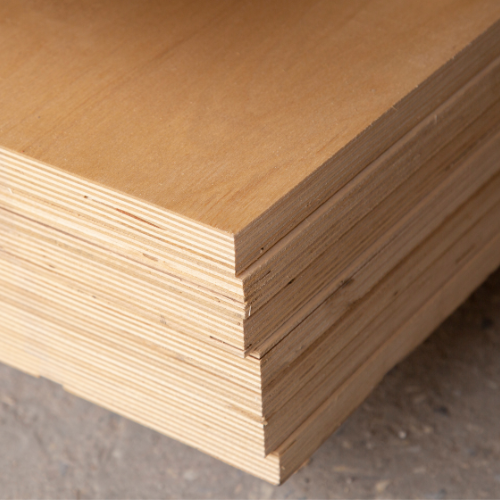
Prefinished Cabinet-Grade Plywood
Birch or white melamine panels for cabinet boxes, closets, shelving, and finished interiors.
See Sizes & Availability →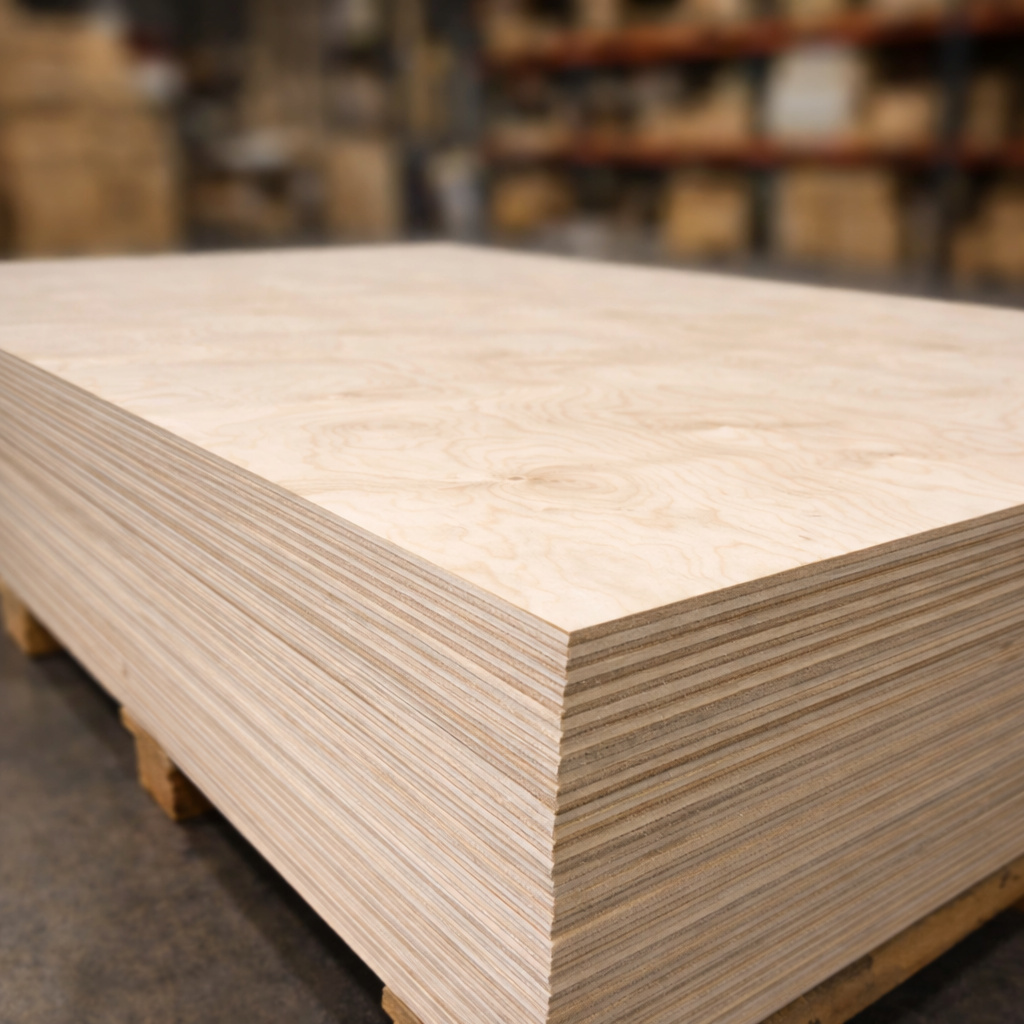
BB/BB Baltic Birch
Multi-ply unfinished Baltic Birch for drawers, furniture, shelves, CNC work, and visible edges.
See Sizes & Availability →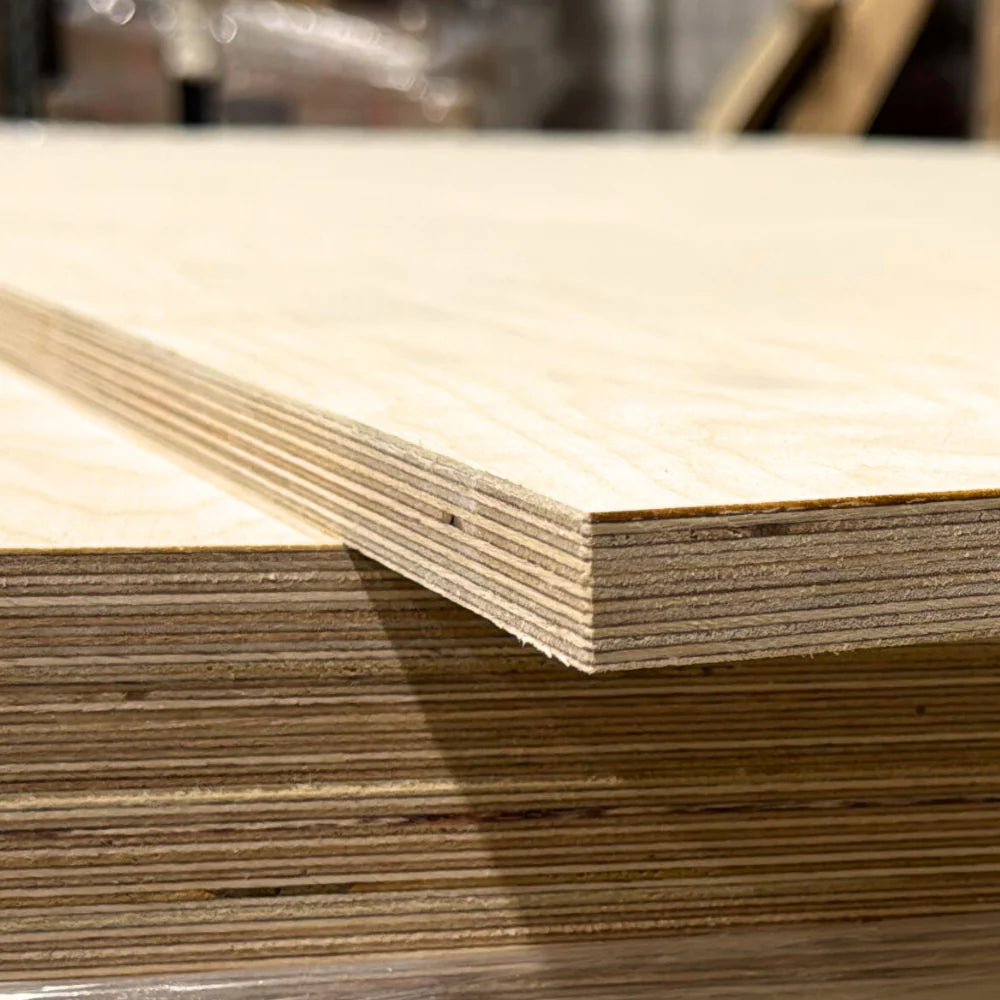
B/BB Baltic Birch
Unfinished 3/4-inch panel with one cleaner B face for cabinets, furniture, shelving, and millwork.
See Price & Availability →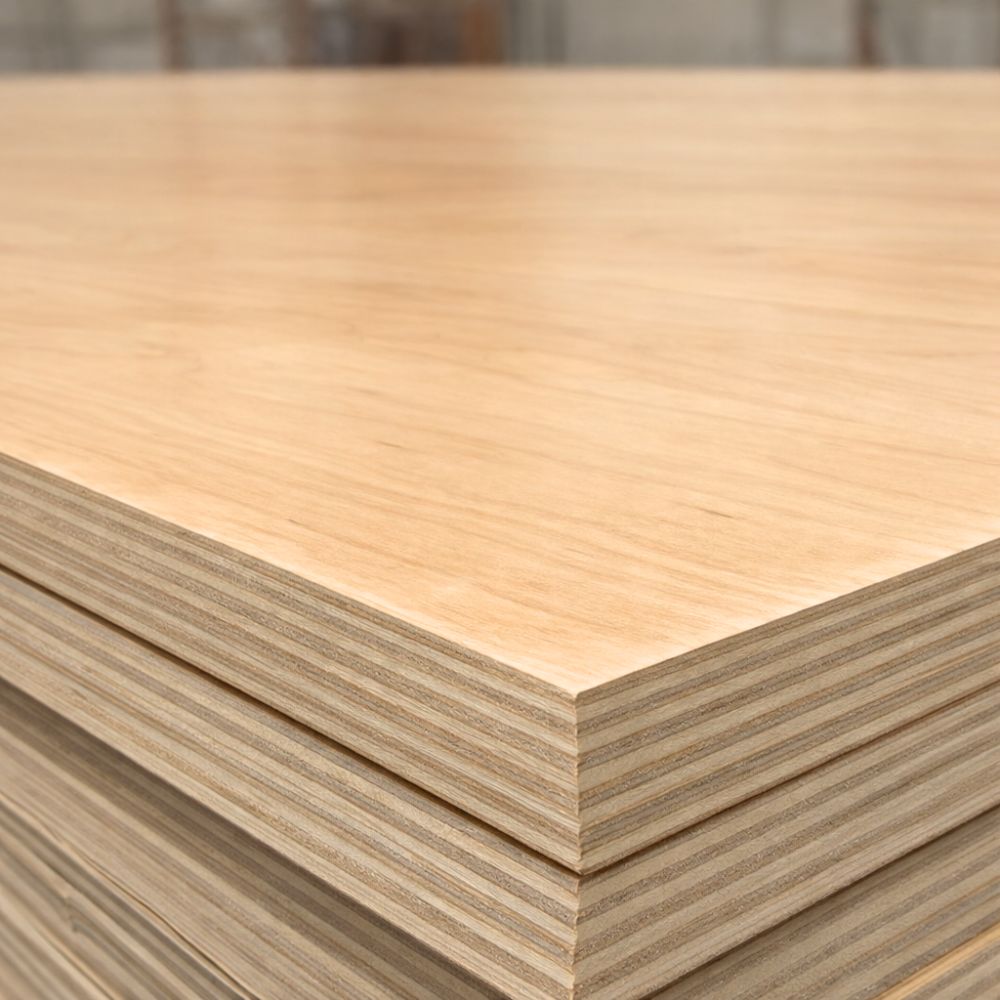
Prefinished Maple Plywood
Cabinet-grade maple panels for visible interiors, shelving, furniture, closets, and millwork.
See Sizes & Availability →Planning a larger order? Review bulk pricing and plywood and MDF delivery before checkout.
Related Plywood Selection Guides
Plywood Thickness FAQ
What plywood thickness is best for cabinet boxes?
For most cabinet boxes, 3/4-inch cabinet-grade plywood is the safest starting point for sides, bottoms, tops, partitions, and shelves. The final design should also account for cabinet height, width, load, joinery, back construction, and hardware.
Can 1/2-inch plywood be used for cabinet boxes?
It can work in selected small or well-supported designs, but it provides less stiffness and less material for fasteners and joinery than 3/4 inch. For frameless cabinets, tall units, wide panels, and general shop production, 3/4 inch is usually the more forgiving default.
What plywood thickness is best for shelves?
Three-quarter-inch plywood is the common starting point for cabinet and storage shelves. Longer spans or heavier loads may still require a center divider, cleat, bracket, or structural front strip. Short, lightly loaded shelves can sometimes use 1/2 inch when the design provides enough support.
Should drawer bottoms use 1/4-inch or 1/2-inch plywood?
Use 1/4 inch for light, narrower drawers when the bottom is properly captured in grooves. Use 1/2 inch for wider drawers, heavier contents, or designs where the bottom needs more stiffness and groove engagement.
Does a higher ply count always mean stronger plywood?
No. Ply count can improve edge consistency and machining, but overall performance also depends on veneer quality, core species, voids, glue, panel grade, manufacturing consistency, and how the panel is supported.
Does edge banding prevent a plywood shelf from sagging?
Thin decorative edge banding does not add meaningful stiffness. A solid-wood front strip, thicker plywood nosing, support cleat, bracket, or center divider can help a shelf resist bending more effectively.
Should plywood be measured before cutting dados or grooves?
Yes. Measure the actual panel with a caliper and make a test cut before machining final parts. This is especially important for cabinet dados, drawer-bottom grooves, CNC files, and hardware that depends on a precise fit.
Choose the Panel as Part of a Complete System
Start with 3/4 inch for the main cabinet structure, shelving, built-ins, and furniture panels. Move to 1/2 inch for smaller or well-supported components, and use 1/4 inch for backs, light drawer bottoms, inserts, and decorative panels. Then verify the decision against load, unsupported span, support, core construction, fasteners, and joinery.
That approach produces a stronger and more predictable project than choosing plywood by thickness alone.

