
Choose the reflection you want—and test the actual sample
High-gloss acrylic MDF creates more distinct reflections; matte offers a lower-sheen appearance. Choose between them in the room’s real light, with the intended color, edge banding and handle—not from a claim that one finish always resists fingerprints or scratches better.
This is a surface-finish comparison. Both options in the reviewed Berta range are factory-finished acrylic-faced MDF panels, not raw MDF waiting for paint. Their exact care and performance requirements must come from the supplied panel specification.
High-gloss vs matte acrylic MDF: practical selection chart
| Decision | High gloss | Matte | What to verify with samples |
|---|---|---|---|
| Reflection | A more mirror-like surface can reflect windows, fixtures and surrounding objects. | Lower sheen generally gives less distinct reflected imagery. | Compare both upright in the same location and at several viewing angles. |
| Color appearance | Reflections can change the apparent brightness and contrast as you move. | The same named color can appear different because the surface scatters light differently. | Do not approve color from screen images or finish names alone. |
| Visible marks | Lighting, color and viewing angle affect what you notice. | Lower sheen does not automatically mean fingerprint-proof or scratch-proof. | Use the actual samples and permitted cleaning method; request test data for a resistance claim. |
| Large flat fronts | Reflections can make alignment and surface waviness easier to notice. | A quieter reflected image can suit a restrained front design. | View a larger reference panel where available, not only a tiny swatch. |
| Lighting | Consider reflected pendants, windows and under-cabinet lights. | Consider the color and texture under daylight and evening lighting. | Check the installed orientation and all regularly used lighting scenes. |
| Edge finish | Match color and gloss as well as thickness. | Match the actual matte appearance, not simply the word matte. | Inspect a finished edge sample beside the face. |
Neither finish label establishes a durability ranking. Scratch resistance, chemical resistance and fingerprint behavior can vary with the actual acrylic system and surface treatment. Without comparable test methods for the two supplied finishes, a universal winner would be an unsupported claim.
Paired white finish references for your sample shortlist
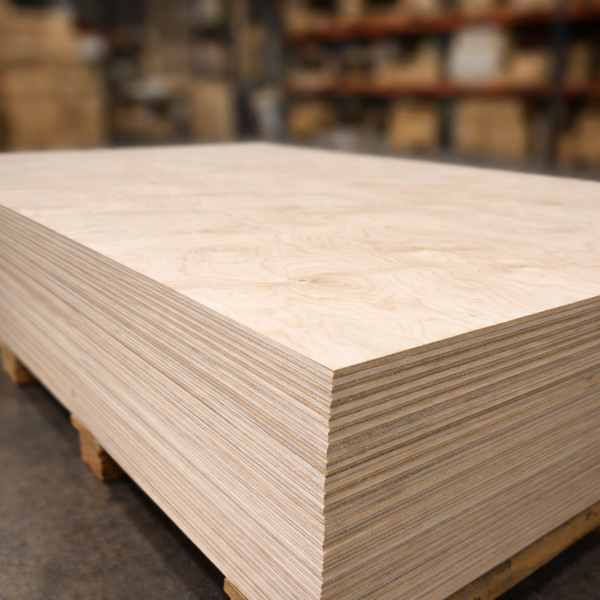
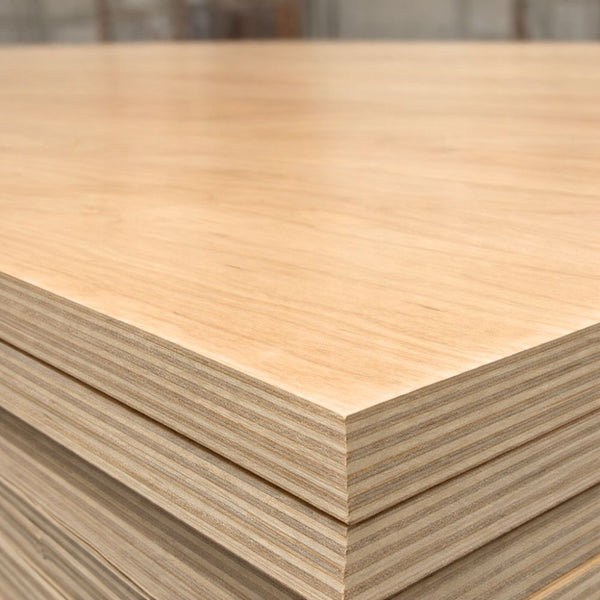
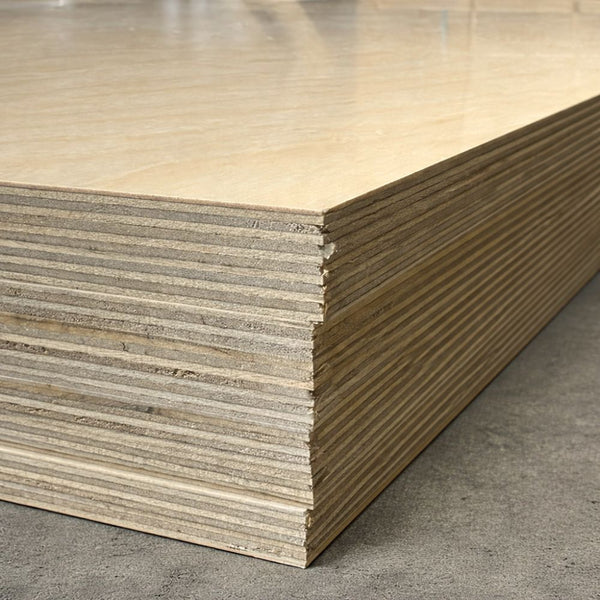
These are existing Berta catalog photographs of the two white finishes, paired for navigation to the corresponding sample options. They were not documented as a controlled, same-lighting sample shoot, so differences in the photos are not proof of measured gloss, whiteness or resistance.

Select the corresponding physical sample

Select the corresponding physical sample
Make the real comparison with physical samples. Put the matte and gloss samples next to each other, with any approved protective film removed as instructed, at the intended cabinet angle. Do not judge one through shipping film and the other with its finished surface exposed.
Which colors are offered in both finishes?
| Reviewed panel color | Matte panel | High-gloss panel | Sample / edge-band check |
|---|---|---|---|
| White | Listed | Listed | Both sample finishes and similarly named matte/gloss banding options are listed; approve the physical match. |
| Black | Listed | Listed | Confirm current availability for each selected option. |
| Cashmere | Listed | Listed | Compare face and edge in the intended light. |
| Light gray | Listed | Listed | Use a same-color sample pair rather than comparing a light gloss color with a dark matte color. |
| Dark gray | Listed | Listed | Check reflections and mark visibility on the actual samples. |
| Dark blue | Listed | Listed | Compare handle areas and the finished edge. |
| Olive green | Listed | Not listed in the reviewed selector | No corresponding olive sample or olive banding option was listed in the reviewed sample/banding selectors. Confirm separately. |
The panels are listed as 4 × 8 feet and 18 mm thick, commonly grouped under a 3/4-inch label. A true 3/4 inch is 19.05 mm; measure the supplied panel before setting machining, edge-band trimming or hardware depth.
A sample test that answers useful questions
Choose the same color in both finishes when the goal is to compare sheen. Comparing black gloss with white matte mixes color and finish into one observation. Place the samples beside the countertop, flooring, wall paint and actual handle finish.
| Test | Consistent method | Record |
|---|---|---|
| Daylight and evening light | Same position and angle for both samples. | Reflections, apparent color and any glare from normal standing positions. |
| Upright orientation | Hold or support samples as the cabinet fronts will be installed. | Appearance at eye level and near the lower cabinets. |
| Handle-zone use | Handle each sample normally without abrasive or improvised chemical tests. | Visible handling marks before and after the approved cleaning method. |
| Cleaning | Follow the actual finish supplier’s instructions on both samples. | Ease of removal, streaking and changes in appearance. |
| Face-to-edge transition | Compare the intended banding with each matching face. | Color, sheen, glue line, trim quality and edge radius. |
| Sample approval | Label the finish, color, sample date and edge-band choice. | Keep the approved sample with the fabrication order. |
Do not deliberately scratch a saleable panel to “prove” a marketing statement. Ask for comparable performance documentation when resistance is a buying requirement. Small samples also cannot fully demonstrate the visual behavior of a full-height door or a long bank of fronts.
Matching edge banding is part of the finish decision
Berta’s reviewed no-glue plastic banding selector lists matte and gloss options in white, black, cashmere, light gray, dark gray and dark blue. The banding is listed as 1 mm thick, 22 mm wide and supplied in a 300-foot roll. Adhesive is applied separately by the appropriate machine process; this is not an iron-on, preglued product.
For an 18 mm panel, a 22 mm strip has a nominal 4 mm total width difference before machining. That is arithmetic, not a guaranteed trimming setup. Allow for actual thickness, alignment, machine requirements and the finished edge profile.
A matching color name is a shortlist, not a color-match certificate. Check the physical sample and finish, particularly where a gloss face meets an edge that reflects light differently. Do not substitute preglued matte white banding for a gloss acrylic match without approving the result.
Use the glossy edge-banding matching guide and the PVC-versus-veneer edge-banding guide for the separate edging decision. The Edge Banding Calculator helps estimate linear footage after the required edges are identified.
Finish choice does not settle door construction
Matte or gloss does not determine the permissible door size, hinge count, balancing construction or fixing method. Confirm the panel supplier’s fabrication requirements, the back-face construction and the complete door system. Check cup depth and fastener cover against the actual panel thickness.
An acrylic face also does not make exposed MDF edges or drilled holes waterproof. Plan edge finishing and installation details appropriate to the service conditions. Use care instructions for the supplied surface rather than assuming glass cleaner, polish, solvents or abrasive pads are suitable.
For the board-construction distinction, see acrylic MDF versus raw MDF. For where the core is appropriate, read MDF uses and limits in cabinetry. Compare melamine sheets for cabinets only when you are deciding between surface systems, not trying to infer gloss performance from the core.
Panels, samples and edge banding
Approve the visible face and edge together before ordering a production batch.
Premium Acrylic MDF Panels
Select the exact color and matte or high-gloss finish, then verify the supplied panel’s machining and care requirements.
Compare acrylic MDF finishes
Acrylic MDF Samples
Build a same-color matte/gloss pair using the separately listed sample variants. Confirm size and current availability.
Choose physical samples
Matte & Gloss Machine Edge Banding
Compare matte and gloss machine-applied banding. Color names must be checked against the actual panel sample.
Match the edge-band finishA practical finish decision
Choose high gloss when distinct reflections are an intentional part of the design and the room’s lighting supports that choice. Choose matte when a lower-sheen front is the intended visual result. When the preference is unclear, compare the same-color sample pair on site rather than seeking a universal best finish.
For a mixed-material kitchen, keep the broader cabinet finish guide alongside the sample board. Wood-grain interiors, acrylic fronts and toe-kick materials do not all need the same sheen, but their transitions should be deliberate.
Frequently asked questions
Is matte acrylic MDF more fingerprint-resistant than high gloss?
That cannot be concluded from the finish name alone. Color, lighting and surface treatment affect visibility; comparative resistance needs comparable product-specific evidence.
Does Berta offer olive green in gloss and matte?
The reviewed full-panel selector lists olive green matte, not olive green high gloss. The sample and banding selectors also did not show olive green. Confirm any updated options before specifying a match.
Can the photographs replace physical samples?
No. The paired catalog photos identify the finish options but were not documented as a controlled sample shoot. Use actual samples in the room for color and sheen approval.
Is the no-glue edge banding ready to iron on?
No. That product is for machine application with adhesive supplied separately. It is different from a preglued iron-on strip.
Sources and comparison limits
Berta product references: acrylic MDF panels, physical samples and no-glue edge banding. The paired photographs are existing catalog assets. No comparative laboratory scratch, fingerprint or UV-performance result is claimed.