
Quick answer
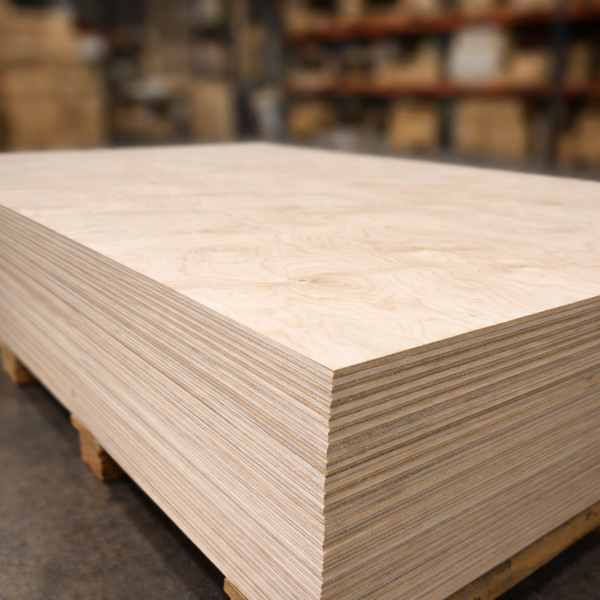
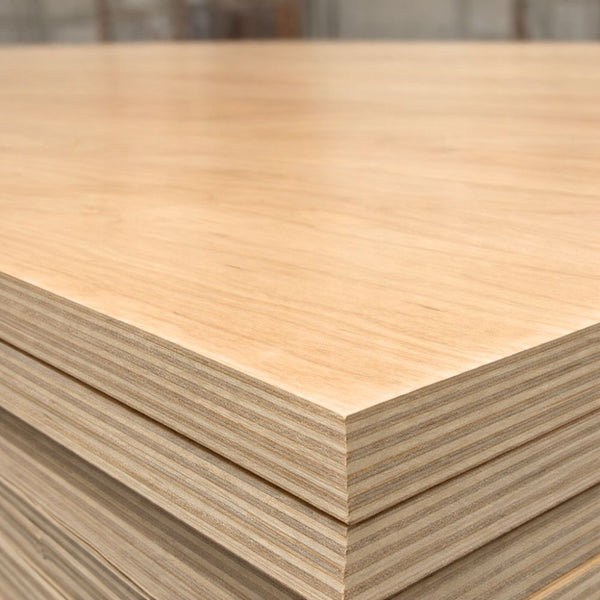
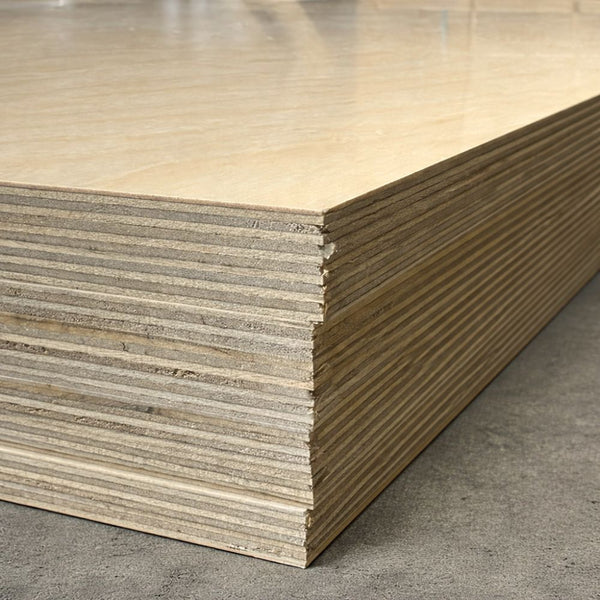
Melamine sheets for cabinets are prefinished panels made by bonding a decorative melamine surface to a plywood, MDF, or particleboard core. The surface can be white, light gray, wood-tone, or another solid color. The core determines strength, weight, screw holding, edge quality, and the best cabinet use.
For cabinet boxes, closet panels, structural shelves, and parts that hold hardware, melamine plywood is usually the stronger choice. Melamine-faced MDF is flatter and smoother, but heavier and less dependable at exposed edges. White melamine is practical for clean interiors. Wood-tone melamine gives visible parts a warmer appearance without staining or clear coating.
What are melamine sheets?
A melamine sheet is a finished decorative panel, not a separate structural material. A resin-treated decorative paper is bonded to a core under heat and pressure, creating a hard, consistent surface that does not need sanding, staining, painting, or clear coating.
The same surface can be applied to different cores. That is why two white melamine sheets can look similar but perform differently. One may use plywood, another MDF, and another particleboard. The surface does not tell you how well the panel will hold screws or how cleanly its edges will machine.
| Common term | What it usually means | What to verify | Cabinet note |
|---|---|---|---|
| Melamine sheets for cabinets | Prefinished sheet goods intended for cabinet boxes, closets, shelves, doors, or furniture. | Core, thickness, finished sides, color, texture, and edge treatment. | The term does not identify the core by itself. |
| Melamine plywood sheets | Plywood-core panels with a melamine surface. | Ply count, core species, actual thickness, and whether both faces are finished. | Strong cabinet option |
| Melamine board 4x8 | A broad retail term that often refers to MDF or particleboard with melamine faces. | Do not assume it is plywood. Check the product specifications. | Price and surface may look similar while the core performs differently. |
| White melamine sheets | Panels with a solid white decorative surface. | Core type, shade of white, texture, and finished sides. | Common for cabinets, pantries, closets, and storage. |
| Wood-tone melamine sheets | Panels with a printed wood-look surface rather than natural veneer. | Color consistency, grain direction, texture, edge banding, and core. | Useful when a repeatable wood look matters more than natural variation. |
This article covers melamine cores, colors, sheet sizes, machining, and buying. For a white-only application guide, read White Melamine Plywood: When It Works and When It Doesn’t.
Melamine plywood vs MDF
Plywood and MDF can both carry a melamine surface, but they should not be treated as interchangeable. Plywood is usually better for structural cabinet parts. MDF is useful when flatness and a smooth, uniform core matter more than weight or edge screw holding. For a plywood-core choice, review laminated cabinet plywood construction and handling before planning fabrication.
| Feature | Melamine plywood | Melamine-faced MDF | Particleboard melamine |
|---|---|---|---|
| Core construction | Cross-laminated wood veneers. | Compressed wood fiber core. | Compressed wood particles. |
| Weight | Usually lighter than MDF of the same size and thickness. | Heavy and dense. | Usually heavy, depending on density. |
| Screw holding | Strong choice for cabinet boxes, hinges, slides, and shelf hardware. | Good on faces with correct hardware, weaker at exposed edges. | Varies, with edge holding generally below plywood. |
| Edge strength | Best of the three | Edges need careful fastening and protection. | Edges can crush or break when overloaded. |
| Flatness | Good when the plywood core is cabinet-grade. | Very flat and consistent. | Usually flat but less durable at damaged edges. |
| Best use | Cabinet boxes, closet systems, shelving, storage, built-ins. | Doors, decorative panels, furniture fronts, wall panels. | Budget cabinet interiors and furniture where loads are controlled. |
Berta Store’s Premium Acrylic MDF is an MDF-core decorative alternative, not a melamine sheet. It is better suited to visible doors, drawer fronts, vanities, wall panels, and modern furniture faces.
White melamine sheets vs wood-tone melamine sheets
White and wood-tone panels can use similar cores and the same cabinet construction methods. The difference is mainly visual. White gives cabinet interiors a bright, familiar appearance. Wood-tone melamine makes closets, shelves, built-ins, and furniture look warmer without natural veneer variation or finishing work.
| Finish | Appearance | Best use | What to plan |
|---|---|---|---|
| White melamine | Clean, bright, neutral surface. | Cabinet interiors, closets, pantries, utility storage, shelving. | Match the white edge banding and check whether both faces are finished. |
| Wood-tone melamine | Printed wood-look grain with consistent color from sheet to sheet. | Closets, visible shelves, built-ins, furniture, retail and office interiors. | Keep grain direction consistent and approve the color under project lighting. |
| Light gray melamine | Soft neutral color between bright white and darker decorative panels. | Modern cabinet boxes, closets, vanities, storage, office furniture. | Use matching or neutral edge banding on exposed edges. |
| Natural prefinished birch | Real birch veneer with a clear factory finish. | Visible cabinet interiors, furniture, shelving, and built-ins. | Natural grain varies, unlike a printed melamine surface. |
Choose White Melamine Baltic Birch plywood when you want a clean white surface with a premium birch core. Choose wood-tone melamine plywood when the cabinet or closet needs a repeatable wood-look finish on both faces.
Melamine sheets 4x8: sizes and thicknesses
Standard melamine sheets are commonly sold in 4x8 format, which is 48 by 96 inches and covers 32 square feet before cutting waste. Some imported panels are slightly larger, such as 49 by 98 inches, so confirm the exact sheet size before preparing CNC files or cut lists.
| Panel thickness | Common cabinet use | Strength note | Buying note |
|---|---|---|---|
| 1/4 inch | Cabinet backs, drawer bottoms, skins, inserts, decorative panels. | Non-structural unless fully supported. | Check whether the panel is finished on one side or both. |
| 1/2 inch | Backs, drawer parts, smaller panels, light partitions. | Useful where lower weight matters. | Can flex on long shelf spans. |
| 3/4 inch | Cabinet boxes, closet partitions, shelves, built-ins, furniture cases. | Best cabinet default | Confirm actual thickness before dados, rabbets, or hardware layout. |
| 18 mm | Metric cabinets, Baltic Birch panels, closet systems, furniture. | Common premium cabinet thickness. | 18 mm is about 0.709 inch, not a true 3/4 inch. |
Berta Store’s standard prefinished plywood 4x8 offers birch or white melamine options in 3/4, 1/2, and 1/4-inch thicknesses. The premium white melamine Baltic Birch panel is 18 mm and measures 49 by 98 inches.
Which melamine core is better for each cabinet part?
Start with the cabinet part, load, and hardware. Color comes after the structural choice.
| Cabinet part | Better core | Why | Practical choice |
|---|---|---|---|
| Cabinet sides and bottoms | Plywood core | Better edge strength, screw holding, and structural performance. | 3/4 melamine plywood. |
| Closet partitions | Plywood or MDF, depending on hardware and span | Plywood reduces weight and improves fastening. MDF gives a very flat panel. | Plywood for demanding installations and repeated hardware. |
| Adjustable shelves | Plywood core | Better resistance to edge damage and easier hardware installation. | 3/4 plywood with edge banding and proper support. |
| Slab cabinet doors | MDF or a carefully selected flat plywood core | MDF is smooth and flat. Plywood is lighter but must be selected for flatness. | Use the door design and hinge requirements to decide. |
| Drawer fronts and decorative faces | MDF decorative panel | Flat surface works well for acrylic, matte, and high-gloss finishes. | Compare acrylic MDF for visible modern fronts. |
| Cabinet backs | Thin plywood or MDF | The right choice depends on whether the back is structural or captured in grooves. | Use 1/4 or 1/2 where the design supports it. |
Cutting and machining melamine sheets
The surface is durable after installation, but it can chip during cutting when the panel is unsupported or the blade is dull. Clean results depend on tooling, sheet support, feed rate, and edge treatment.
| Shop task | Better method | Reason | Mistake to avoid |
|---|---|---|---|
| Panel saw or table saw | Sharp fine-tooth blade, stable fence, full sheet support. | Reduces breakout and keeps parts square. | Using a rough framing blade. |
| Track saw | Use a splinter guard and score the surface when needed. | Helps protect the visible face along the cut. | Letting the sheet vibrate or sag. |
| CNC routing | Use sharp tooling and settings matched to the core. | Plywood, MDF, and particleboard cores machine differently. | Using the same feed strategy for every core. |
| Drilling hardware | Support the exit side and use clean, sharp bits. | Reduces surface breakout around holes. | Driving hardware too close to an unsupported edge. |
| Edge finishing | Apply matching PVC, ABS, wood, or melamine edge banding. | Protects the core and gives the part a finished appearance. | Leaving exposed edges on visible cabinet parts. |
Melamine vs prefinished plywood vs acrylic MDF
Melamine is not the only factory-finished cabinet surface. Natural prefinished birch keeps real wood grain visible. Acrylic MDF creates matte or high-gloss decorative fronts. The best panel depends on whether the part is structural, visible, or both.
| Panel | Surface | Core | Best use |
|---|---|---|---|
| Melamine plywood | Solid color or printed decorative paper surface. | Plywood | Cabinet boxes, closets, shelves, built-ins, storage. |
| Prefinished birch plywood | Real birch veneer with clear UV finish. | Multi-ply plywood | Visible cabinet interiors, furniture, natural shelves. |
| White melamine Baltic Birch | White melamine on both sides. | 13-ply solid Baltic Birch | Premium white cabinet boxes, closets, shelves, commercial millwork. |
| Light gray melamine plywood | Light gray melamine on both sides. | 11-ply poplar plywood | Modern cabinet interiors, closets, vanities, office storage. |
| Acrylic MDF | High-gloss or matte acrylic in multiple colors. | 3/4 MDF | Doors, drawer fronts, vanities, wall panels, furniture fronts. |
Compare Berta Store cabinet panels
These panels solve different problems. Choose by cabinet part, core, surface, and finish rather than color alone.
Prefinished plywood 4x8
Choose natural birch with a clear UV finish or white melamine over a multi-ply poplar core. Available in 3/4, 1/2, and 1/4 thicknesses for cabinet boxes, backs, shelves, and furniture.
Compare birch and whiteWhite Melamine Baltic Birch
An 18 mm panel with white melamine on both faces and a 13-ply Baltic Birch core. Use it when edge strength, screw holding, stability, and a finished white surface all matter.
Shop white Baltic BirchWood-tone melamine plywood
A 3/4 cabinet-grade plywood panel with a wood-tone melamine finish on both sides. Use it for closets, cabinets, shelving, built-ins, and furniture that need a consistent wood look.
View wood-tone plywoodLight gray melamine plywood
A 3/4 double-sided light gray melamine panel over an 11-ply poplar core. It gives cabinets, closets, shelves, and storage a softer alternative to bright white.
Shop light gray plywoodPremium Acrylic MDF 4x8
A 3/4 MDF-core decorative panel available in matte and high-gloss finishes. Use it for cabinet doors, drawer fronts, vanities, closet doors, furniture faces, and wall panels.
Compare acrylic MDFHow to buy melamine sheets for cabinets
A useful quote or product listing should identify more than color. Use this checklist before ordering full sheets.
Confirm the core
Ask whether the panel is plywood, Baltic Birch, MDF, or particleboard. This is the most important structural detail.
Confirm exact size and thickness
Check whether the sheet is 48 by 96, 49 by 98, 3/4 inch, or 18 mm. Build the cut list around the actual panel.
Check one-sided vs two-sided finish
Shelves, partitions, and cabinet interiors often need both faces finished. Thin backs may only need one finished side.
Approve color and texture
View white, gray, and wood-tone samples under the project lighting. Confirm grain direction and sheet-to-sheet consistency.
Plan edge banding and hardware
Choose matching edge banding, verify hinge and slide fastening, and test cuts before running the full cabinet order.
FAQ
Are melamine sheets good for cabinets?
Yes. Melamine sheets are commonly used for cabinet boxes, closets, shelving, built-ins, storage, doors, and furniture. The right core depends on the part. Plywood is usually better for structural parts, while MDF is useful for flat decorative fronts.
Is melamine board the same as melamine plywood?
No. Melamine board is a broad term and often refers to particleboard or MDF with a melamine surface. Melamine plywood specifically uses a plywood core, which usually provides better edge strength and screw holding.
What size are melamine sheets?
A common size is 4 by 8 feet, or 48 by 96 inches. Some imported cabinet panels measure 49 by 98 inches. Thicknesses commonly include 1/4, 1/2, 3/4, and 18 mm, depending on the core and product.
Is plywood or MDF better for melamine cabinets?
Plywood is usually better for cabinet boxes, shelves, closets, and parts that hold hardware. MDF is flatter and smoother, which can make it a better choice for decorative doors, drawer fronts, and wall panels.
Should I choose white or wood-tone melamine?
Choose white for bright cabinet interiors, closets, pantries, and utility storage. Choose wood-tone when visible shelves, built-ins, furniture, or closets need a warmer decorative appearance without natural veneer variation.
Does melamine chip when cutting?
It can chip when the blade is dull, the sheet is unsupported, or the cutting method is too aggressive. Use sharp fine-tooth tooling, full support, a splinter guard or scoring method, and test cuts before production.
Do melamine plywood edges need edge banding?
Visible edges usually need edge banding or another finished edge treatment. Edge banding improves appearance and protects the core from impacts, spills, and daily handling.
Is acrylic MDF the same as melamine MDF?
No. Acrylic MDF uses an acrylic decorative face, often in matte or high-gloss finishes. Melamine MDF uses a melamine paper surface. Both use an MDF core, but the surface appearance and intended use can be different.
Which white melamine panel has the strongest core?
For the products compared here, White Melamine Baltic Birch uses a 13-ply solid birch core. It is the premium choice when strong edges, screw holding, clean machining, and a white finished surface are all required.
Bottom line
Melamine sheets for cabinets should be selected from the inside out. Choose the core first, then thickness, finished sides, color, edge treatment, and hardware.
Use melamine plywood for cabinet boxes, closets, shelving, and parts that need stronger edges and hardware holding. Use MDF decorative panels where flatness and a smooth visible surface matter more. Choose white for clean interiors, wood-tone for a warmer look, or light gray for a softer neutral finish.
Compare birch and white prefinished plywood, White Melamine Baltic Birch, wood-tone melamine plywood, light gray melamine plywood, and Premium Acrylic MDF to match the right panel to the right cabinet part.