
Berta Store · Cabinet surface guide
Start with the look you want to see.
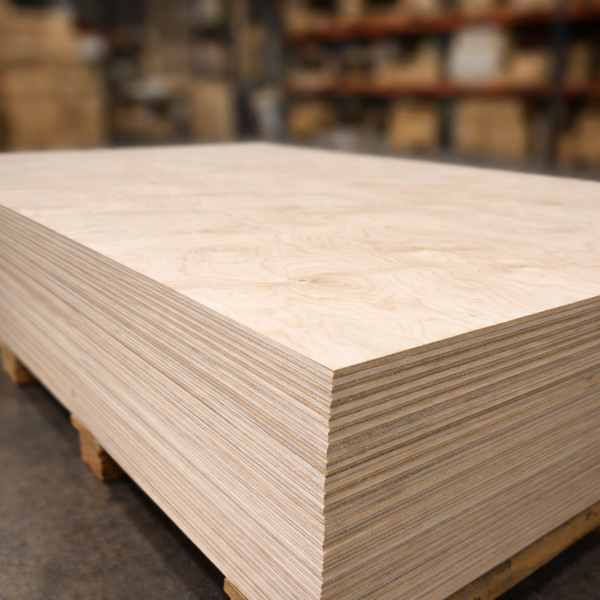
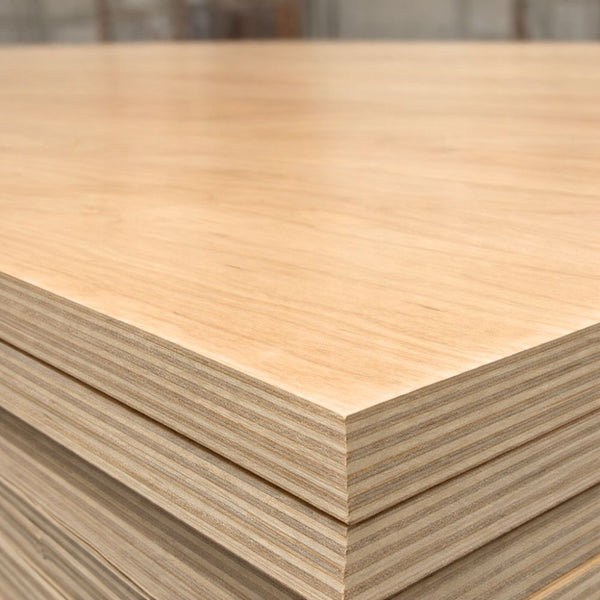
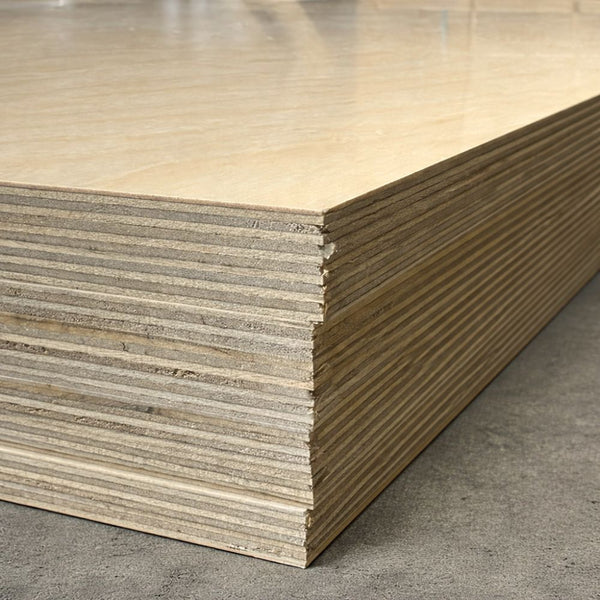
For a natural wood look without coating the faces yourself, compare UV-prefinished birch or maple. For a ready-made white surface, compare white melamine. For a custom paint color or stain, start with suitable unfinished plywood. Then check the edge treatment, finished sides and service conditions.
Which plywood finish fits your cabinets?
A plywood finish is the coating or surface treatment on the panel face. The finish, veneer species and core are separate specifications: birch and maple describe wood appearance; UV coating, paint and melamine describe different surface choices.
| Desired result | A practical starting point | What to verify |
|---|---|---|
| Natural birch with less finishing work | UV-prefinished birch | Appearance, number of finished sides and treatment of exposed edges. |
| A factory-finished maple appearance | Prefinished maple plywood | The supplied surface is the look you want; this is not raw maple for stain matching. |
| A ready-made white surface | White melamine plywood | The overlay and matching edge treatment suit the cabinet design. |
| A specific paint color | Unfinished plywood plus a compatible primer and paint system | Face repairs, edge preparation and the complete coating instructions. |
| A custom stain or clear finish | Unfinished B/BB Baltic birch | The show face, wood color and full finish sample in the project lighting. |
Scroll the table sideways on mobile. For the full material-and-labor comparison, read prefinished vs unfinished plywood.
Find the finish that fits
Compare panels by the result you want
These are different paths to a finished cabinet—not interchangeable coatings. Open the product page to select thickness and check current options.

Natural wood · factory finished
UV-Prefinished Birch Plywood
A clear-coated birch face for cabinet interiors, shelves and built-ins when you want the wood grain without coating the faces yourself.
4×8 sheets · Poplar plywood core
Opens with 3/4″ selected. Review other thicknesses and finished-side details on the product page.
View birch options
White surface · no painting step
White Melamine Plywood
Choose a factory-applied white melamine surface for cabinet boxes, closet interiors and shelving. This is an overlay, not white paint or clear UV-coated birch.
4×8 sheets · Poplar plywood core
Opens with 3/4″ selected. Review other thicknesses and finished-side details on the product page.
View white melamine options
Maple appearance · clear UV finish
Prefinished Maple Plywood
A factory-finished maple option for cabinets, shelving and furniture when you prefer maple’s appearance. Choose it for its finished look, not as a raw panel for stain matching.
4×8 sheets · 3/4″ and 1/2″ options
The product listing specifies a UV-cured finish on both sides. Check current thickness options.
View prefinished maple
Cleaner show face · custom finish
Unfinished B/BB Baltic Birch
A B-grade face with a BB-grade back for projects where the visible face matters. Start here for custom clear, stained or painted work after preparing and testing your finish.
4×8 sheets · 3/4″ (18 mm)
Unfinished on both sides. Inspect the face and make a finish sample before fabrication.
View unfinished B/BBFour surface choices—and what each one does
1. Clear finish: keep the wood visible
A clear finish leaves the veneer visible, so species, grain and natural color variation remain part of the design. A factory UV-cured coating is one way to get a finished wood face without running a face-coating process in your own shop.
For Berta’s supplied options, compare prefinished birch and prefinished maple by their actual appearance. Do not assume a clear coating makes the wood colorless, makes every sheet identical or allows later staining without removing or changing the existing surface.
2. Paint: choose a specific opaque color
For a new paint-first build, unfinished plywood lets you establish the surface preparation, suitable primer and topcoat together. Select a face grade that fits the job; paying for a cleaner show face is not automatically necessary when that face will be covered, but repairs and edges still need attention.
Compare unfinished BB/BB Baltic birch when sound face repairs are acceptable. Use the coating manufacturer’s instructions rather than treating “cabinet-grade” as a promise of a paint-ready surface.
3. Stain plus a compatible finish: customize the wood color
A stain changes the appearance of visible wood. Many stains need a compatible protective topcoat; do not assume stain alone provides the completed cabinet finish. The veneer, preparation and topcoat can all change the final color.
Make an offcut sample using the entire planned system. Check it next to adjacent doors or trim under the project lighting before coating full panels. Berta’s prefinished maple is already coated; it is not the raw-maple option for this workflow.
4. White melamine: select a factory white surface
White melamine provides an opaque factory-applied overlay rather than a shop-applied paint finish. It is a practical option when that supplied white appearance suits cabinet interiors, shelving or closets and you want to avoid painting those faces.
Berta’s standard white melamine option has a poplar plywood core. It is not the same product as melamine-faced particleboard or a Baltic birch-core panel. Choose edge banding and other visible components to suit the actual surface.
Match the finish to the part of the cabinet
Interiors and shelves
Choose a surface you are comfortable leaving visible inside the cabinet. Prefinished wood keeps the grain visible; white melamine provides a white interior. Check the underside of shelves and both sides of dividers—not only the most visible face.
Visible custom components
Unfinished panels are a useful starting point when the finish must coordinate with painted doors, stained trim or other materials. Approve a sample first. A different species or face repair can remain visible under a transparent finish.
Do not forget the backs and edges. On Berta’s standard birch/white melamine product, 3/4″ and 1/2″ options are finished on both sides; 1/4″ options are finished on one side. New cut edges still need a deliberate design and finishing decision.
A practical workflow for finishing unfinished plywood
This is a planning sequence, not a universal coating recipe. Use the selected product’s preparation, application, drying and curing instructions.
-
Inspect the veneer and designate the show face
Locate repairs, defects and the parts that will stay visible. Resolve edge treatment and any filling before committing to the finish.
-
Prepare without sanding through the face
Follow the finish maker’s sanding and cleaning instructions. Plywood face veneer is a limited layer; aggressive sanding can expose the material underneath.
-
Make a complete offcut sample
Test the same preparation, stain or primer, and topcoat you will use on the project. Check the look and compatibility after the specified cure.
-
Plan the application around assembly
Decide which surfaces are easier to finish before assembly, keep glue areas compatible with the chosen adhesive and include the required edge and reverse-face treatment.
-
Allow the specified cure before service
“Dry to the touch” is not a universal ready-for-use signal. Follow the actual system’s recoat and service times instead of assuming every finish is ready in the same number of days.
Already have factory-finished sheets? Do not use a raw-wood workflow unchanged. Our separate guide to painting prefinished plywood covers surface identification, preparation, primer selection and adhesion-test planning. A test plan is not a claim that a coating combination has been approved or tested by Berta.
Finish-selection mistakes to avoid
Check the surface before ordering full sheets

See the surface before full sheets
Prefinished Plywood Samples
Compare the listed birch and white melamine sample options in your project lighting before committing to a full-sheet order.
Birch or white melamine sample options
Samples help with surface selection; they do not replace a full-panel inspection or a finish-compatibility test.
View sample optionsBuild a small approval checklist
Look at the grain or white surface in the room where the cabinets will be used. Compare it with the intended edge banding, doors and adjacent materials.
Then confirm which faces are finished and which thickness the design requires. Surface samples help with selection; they do not verify sheet flatness, load capacity or coating compatibility for a whole project.
Plywood finish FAQ
What is the best finish for plywood cabinets?
There is no single best finish for every cabinet. Start with the intended appearance: clear-coated wood for visible grain, an appropriate paint system for a custom opaque color, or a factory melamine surface for a supplied white look. Then verify the product’s use and care requirements.
Can I leave plywood unfinished inside a cabinet?
That depends on the intended use and your acceptable appearance and maintenance requirements. Raw plywood is not a completed protective surface. For a cabinet interior that needs a finished face, compare prefinished panels with an appropriate finish applied to unfinished material.
Can you paint prefinished plywood instead?
It can be possible, but a factory coating needs a surface-specific preparation and compatibility check. Follow the selected primer and paint instructions and test the complete system first. See our guide to painting prefinished plywood for the dedicated refinishing workflow.
Should I stain prefinished birch or maple?
Do not assume a raw-wood stain will work over the existing factory coating. For a new custom-stain project, suitable unfinished material is the more straightforward starting point. For an existing finished panel, establish compatibility and test the complete refinishing process.
Is white melamine the same as painted plywood?
No. Melamine is a factory-applied surface option; painted plywood uses a paint system. Both can create a white appearance, but their application, repair and edge-treatment decisions are different.
Does clear finish hide patches in the veneer?
Do not expect it to. A transparent finish leaves the wood appearance visible, including repairs and color variation. Inspect the face grade and approve a full finish sample before selecting material for a prominent show face.
Do I need to finish both sides of every plywood panel?
Check the panel, design and finishing-system guidance rather than assuming one rule fits all. Some purchased panels already have both faces finished; others have one. Account for visible reverse faces, edges and the expected service conditions in your finish plan.
Choose a finish you can build around.
Compare the actual panel options, confirm the finished sides and plan the edge treatment. Check delivery before committing to the full-sheet order.
Need the full labor-and-material decision? Read prefinished vs unfinished plywood: differences and best uses.