
Material selection
Quick answer
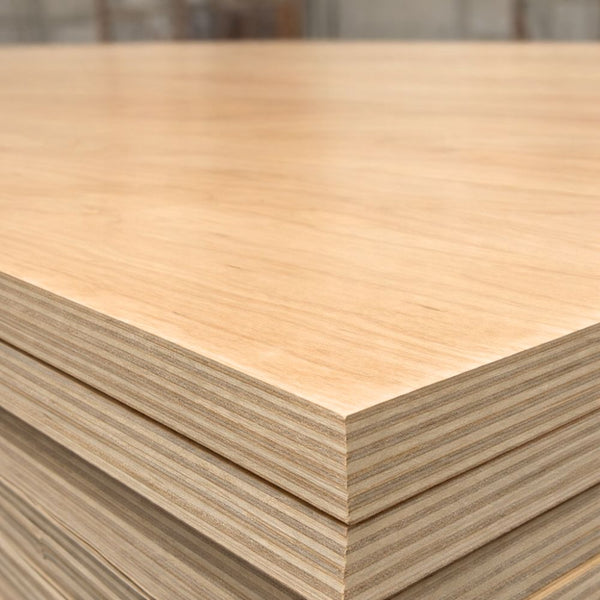
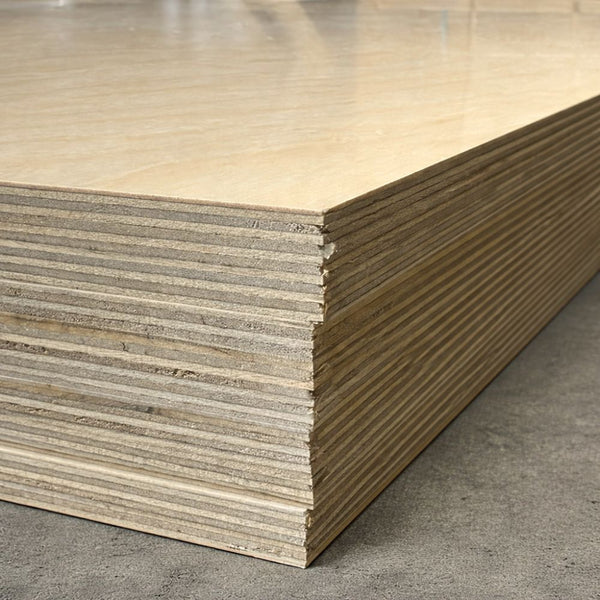
Light gray melamine plywood is a practical cabinet-interior panel when you want a finished, wipeable surface without painting. The current Berta Store panel is a 4 × 8 ft, 3/4 in sheet with light gray melamine on both faces and an 11-ply poplar core. It suits cabinet boxes, closet components, shelves and utility storage where a quiet neutral color is useful.
The faces arrive ready to use, but the cut edges still need a deliberate finish. Plan matching light gray or compatible neutral edge banding before you finalize a cut list, and test your saw setup on an offcut to control chipping.
Main takeaway
Choose light gray for the surface you want, then verify the core, thickness, edge band, hardware clearances and sample color as one system. The face color alone is not a complete cabinet specification.
Where it fits
What light gray melamine plywood does well
The subdued gray face hides more everyday visual noise than bright white while keeping a cabinet interior light. It can work especially well in wardrobes, pantry units, laundry cabinets, garage storage, office casework and contemporary kitchen interiors.
Because the panel is factory surfaced, the build sequence is shorter than a paint-grade project: cut, machine, edge and assemble. There is no primer-and-topcoat schedule for the broad faces. For a broader look at factory finishes, compare Berta Store’s explanation of how to choose a plywood finish and its separate overview of melamine sheets for cabinet construction.
Selection chart
Light gray compared with common cabinet-panel finishes
| Panel surface | Best reason to choose it | Edge treatment | Finish work after cutting | Check before ordering |
|---|---|---|---|---|
| Light gray melamine plywood | Neutral, finished cabinet interiors with visible plywood construction | Matching gray or compatible neutral edge band | Faces usually need no coating; clean and protect during assembly | Physical color, sheen, core, sheet thickness and edge-band match |
| White melamine plywood | Bright interiors and easy visual inspection of stored contents | White edge band is the usual visual match | Faces usually need no coating | White tone, sheen and whether one or both faces are finished |
| Clear-prefinished birch plywood | Visible wood grain with a factory-applied clear surface | Birch veneer tape, solid-wood lipping or a deliberate exposed-ply edge | Broad faces arrive finished; cut edges remain separate | Face appearance, finish coverage, core and exposed-edge quality |
| Raw paint-grade panel | Custom color and a continuous painted cabinet system | Fill, prime, paint or apply a separate edge treatment | Full surface preparation and coating schedule | Paint compatibility, face smoothness, primer and cure time |
For more detail on the bright alternative, see the white melamine plywood material guide. If the design calls for visible wood instead, the prefinished plywood collection provides a useful comparison point.
Current Berta specification
What is verified for the light gray sheet
Panel format
4 × 8 ft sheet, listed at 3/4 in thickness.
Face finish
Light gray melamine on both sides, intended as a ready-to-use surface.
Core
11-ply poplar core. Confirm the received sheet before locking in joinery or hardware dimensions.
Those specifications are product-specific, not a definition of every gray plywood sheet. Other suppliers may use MDF, particleboard, a different plywood core or a different gray decorative surface. Review the current Light Gray Melamine Prefinished Plywood 4 × 8 product listing before purchase because product details can change.
Fabrication workflow
Plan the faces, cuts and edges in the right order
Confirm the visual sample
Compare the gray face and proposed edge band in the project lighting. Do not approve color from a screen alone.
Measure the actual panel
Nominal thickness is a purchasing description. Measure the material that will be machined before setting dados, rabbets, hinge plates or drawer-slide clearances.
Build the cut and edge map
Mark which edges remain hidden, which receive banding and which require extra width for trimming. The plywood cut-list calculator can help organize parts before sheet optimization.
Make a controlled test cut
Use a sharp, suitable blade, stable support and the correct face orientation for the machine. Test first; feed rate and blade condition often matter as much as tooth count.
Band exposed edges before final assembly
Apply the selected edge material with the adhesive or machine process it requires, then trim without scratching the adjacent melamine.
Protect finished faces
Keep abrasive dust and metal hardware from dragging across the surface. Clean with methods compatible with the panel supplier’s care guidance.
Edge design
Edge banding is part of the material choice
A finished gray face beside an untreated plywood edge can look accidental. Matching banding gives the quietest result. A contrasting band can also work, but it should be specified—not improvised after the cabinet is assembled.
Berta Store’s plywood edge-banding guide explains common edge options. For production work, the machine-applied no-glue edge-banding listing currently includes a Light Gray option; confirm the variant, width, thickness and application method against your equipment and panel before ordering.
- Visible cabinet fronts: prioritize a close color and sheen match.
- Interior shelf edges: balance appearance with impact resistance and trimming speed.
- Hidden structural edges: decide whether they need sealing or protection even when they are not decorative.
- Exposed plywood edge: use it only when the core appearance is intentionally part of the design.
Avoidable errors
Common mistakes with factory-finished panels
Ordering the face but not the edge
The project stalls when a visually compatible band or application method was never specified.
Cutting before measuring
Hardware and joinery should be based on the actual panel, not only the nominal 3/4 in label.
Treating melamine as solid color
Chips reveal the substrate. Test cuts, sharp tooling and proper support matter at visible edges.
Assuming every gray is identical
Decor names are not universal color standards. Approve a physical match across the panel, band and adjacent finishes.
Ignoring hardware clearances
Shelf pins, hinges and slides need layout based on actual material thickness and the chosen construction method.
Skipping delivery planning
Confirm access, protection and unloading for full sheets through Berta Store’s plywood and MDF delivery information.
Relevant materials
Products that support this build decision

Light Gray Melamine Prefinished Plywood
The direct choice for a 3/4 in, 4 × 8 ft panel with light gray melamine on both sides and an 11-ply poplar core. Verify the current specification and physical color for the project.
Review the light gray panel
No-Glue Machine Edge Banding
Useful when the shop has compatible edge-banding equipment. A Light Gray variant is listed; confirm color, width, thickness and machine requirements before matching it to the panel.
Check edge-band variants
Prefinished Birch and White Melamine Plywood
A comparison option when the cabinet calls for visible birch grain or a brighter white interior. Match the selected species, finish and thickness to the actual product variant.
Compare prefinished panelsFrequently asked questions
Light gray melamine plywood FAQ
Is light gray melamine plywood ready to install without painting?
The broad faces of the current Berta panel are factory surfaced on both sides and are intended to be ready to use. Cutting exposes the plywood core, so visible edges still need an intentional treatment.
Can gray melamine plywood be used for cabinet boxes?
Yes, it can suit cabinet boxes, shelves, closets and utility storage when the panel specification, joinery, hardware and edge treatment fit the design. Structural requirements and spans still need project-specific engineering.
How do I prevent chipping when cutting melamine plywood?
Start with sharp tooling appropriate to the machine, support the sheet, use the correct face orientation and make a test cut. A scoring setup or track-saw splinter guard may help, but results depend on the tool and blade.
Does a gray melamine face make the panel moistureproof?
No. A decorative face does not make the entire panel waterproof. Cut edges, holes, joints and the core remain part of the moisture-risk assessment.
How much plywood should I order?
Build a complete part list, include saw kerf and grain or face orientation, then allow for defects and handling loss. Use Berta Store’s project calculators as planning aids and confirm the final quantity with the shop’s nesting method.
Can I get help confirming the panel and edge-band combination?
Use the Berta Store contact page with the project use, sheet quantity, visible edges and application equipment. A physical sample remains the safest color check.
Decision summary
Specify the complete cabinet surface system
Light gray melamine plywood earns its place when a neutral, finished interior saves coating time and supports the design. The reliable buying sequence is simple: approve a physical color, verify the current panel specification, measure the actual sheet, choose the edge treatment and only then release the cut list.
For broader material shopping, compare the full plywood collection and keep finish, core, thickness and edge treatment tied to the exact product—not just the color name.