
Quick answer
Raw MDF needs a finishing system when the cabinet design calls for paint. Acrylic-faced MDF already has its decorative face. Choose raw material for a custom painted finish; choose factory-finished acrylic MDF when its supplied color and sheen are the finish you intend to keep.
“Acrylic vs MDF” compares two different parts of a panel: acrylic describes the surface, while MDF describes the board underneath. An acrylic cabinet panel can still have an MDF core. A matte acrylic face is finished too—it is not primer. [1] [2]
Acrylic vs MDF: separate the surface from the core
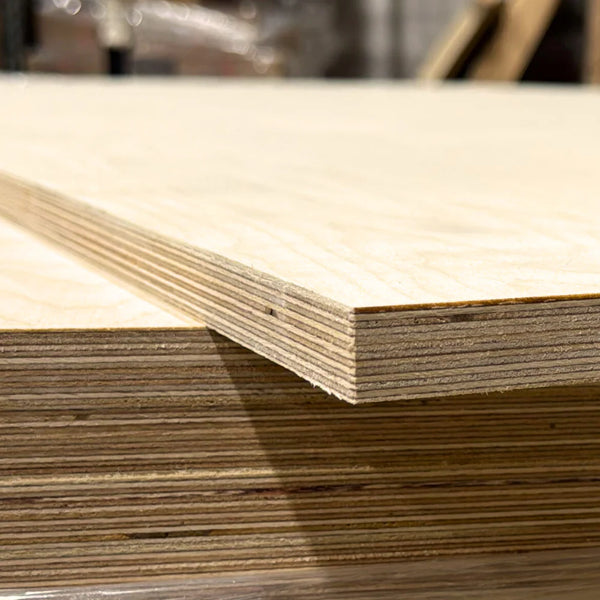
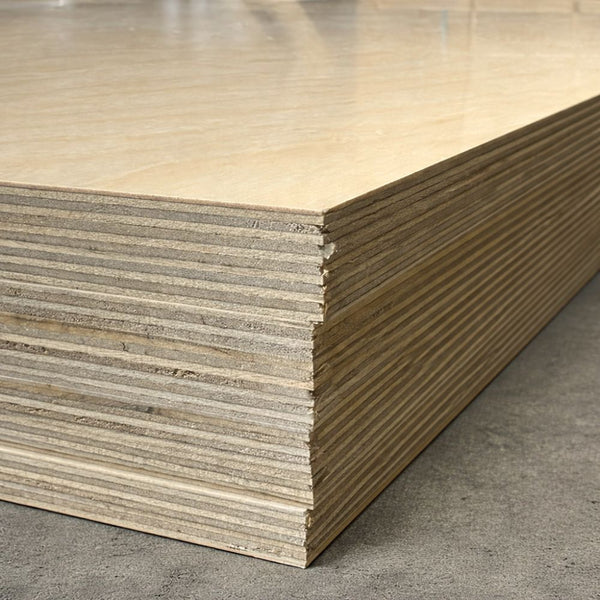
MDF means medium-density fiberboard. The core supplies the panel body; the facing supplies the visible finish. Changing the facing does not, by itself, identify the core grade or its performance.
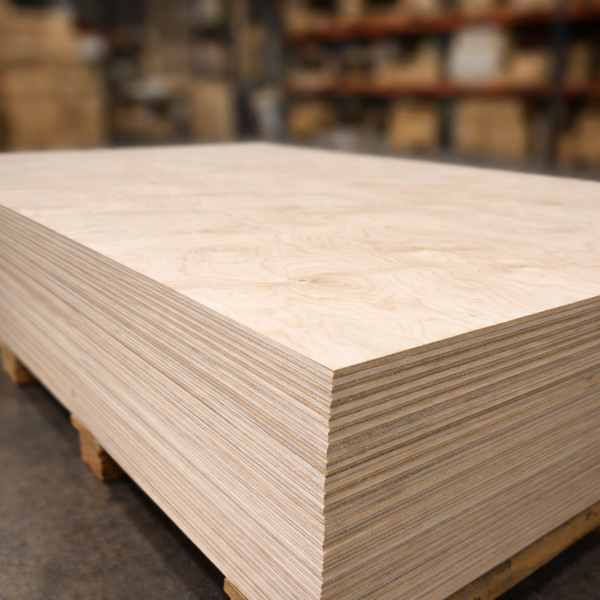
Raw MDF cabinet panels
Unfinished fiberboard awaiting the specified surface treatment. That can be paint, veneer, laminate or another compatible finish—not necessarily paint in every project.
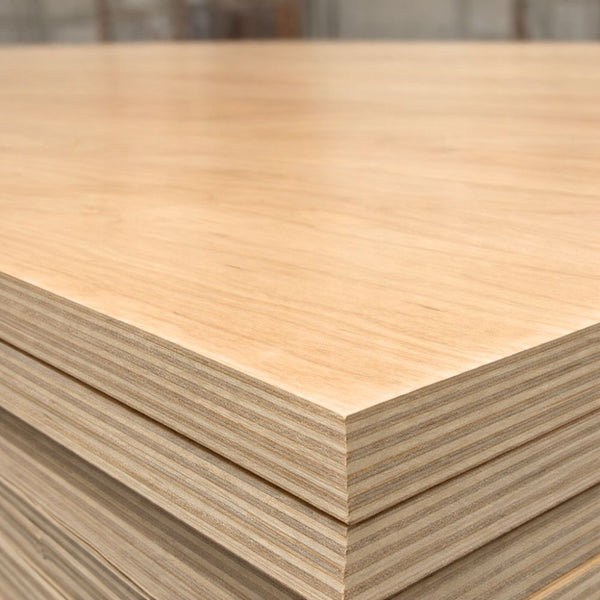
Acrylic-faced MDF
MDF with a bonded decorative acrylic face. It is neither a solid acrylic sheet nor simply raw MDF painted with acrylic paint. Check the reverse face and edge specification separately.
This is the distinction between buying a substrate and buying a surfaced panel. For example, MEDITE describes raw MDF as suitable for painting, veneering and laminating, while REHAU describes acrylic-faced boards as MDF carrying an acrylic laminate. [2] [3]
For the broader material definition, see the medium-density fiberboard guide. Here, the decision is about the surface you want to buy and the finishing work left to do.
Acrylic MDF vs raw MDF for cabinet work
| Decision | Raw MDF | Acrylic-faced MDF |
|---|---|---|
| Surface supplied | Unfinished board. | Factory-applied decorative acrylic face. |
| Painting the face | Part of the process when a painted finish is specified. | Not part of ordinary fabrication; retain the supplied finish. |
| Color choice | Choose a compatible coating in the required color and sheen. | Select from the panel range and approve a physical sample. |
| Routed decorative face | Select a suitable machining grade and finish the routed areas. | Routing through the acrylic removes that finish and exposes material below. |
| Cut edges | Prepare for the specified paint, edging or other treatment. | Plan compatible edge banding or another approved edge detail. |
| Completed component | Still requires fabrication, finishing and hardware. | Still requires fabrication, edge finishing and hardware. |
Material distinctions follow the manufacturer references below. Fabrication implications depend on the selected board and door design; an acrylic facing is not a universal upgrade to every MDF core. [2] [3]
Raw, primed or factory-finished: which needs painting?
A white panel is not automatically primed MDF, and a low-sheen surface is not automatically unfinished. Read the surface description before reaching for a sanding pad.
| Panel condition | Does it need paint? | What to do next |
|---|---|---|
| Raw MDF | Yes for a painted cabinet design; other surface treatments are possible. | Specify compatible preparation, edge treatment, primer and topcoat. |
| Factory-primed MDF | Normally needs the specified finish coats. | Check primer compatibility and treat newly cut or routed areas. |
| High-gloss acrylic MDF | No paint required on the acrylic face. | Protect the decorative face during fabrication and finish the edges. |
| Matte acrylic MDF | No paint required on the acrylic face. | Keep the matte finish; it is not a coat of primer. |
Factory primer is an intermediate coating. MEDITE MR PLUS, for example, is supplied primed for subsequent topcoats. Berta’s acrylic panels instead supply the decorative finish. These are different products, not two names for the same stage of preparation. [4] [1]
Do not apply raw-MDF prep instructions to an acrylic face. Sanding, priming and painting that surface is a separate refinishing project requiring compatibility guidance—not a step needed to complete a new acrylic panel.
Choose the finish route around the cabinet design
Custom painted color or routed detail
Start by specifying a suitable unfinished or paint-ready board. Machining and coating can then be planned together, including profiles and exposed edges.
Flat fronts in a listed acrylic finish
Consider acrylic-faced MDF. The job becomes cutting, edging and installing the selected surface rather than recreating that color and sheen in a paint shop.
For a recessed or profiled door, do not assume a flat acrylic-faced sheet can be routed like raw MDF while keeping the same finish. Ask for a compatible door construction or shaped-panel system before ordering. Cutting through a decorative layer cannot leave that layer intact in the cut.
The Why MDF guide explains the wider role of the material in cabinet work. Keep those raw-board machining and paint advantages separate from the benefits of buying a finished acrylic surface.
Factory-finished does not mean a finished cabinet door
A sheet still has to become an accurately sized component. An acrylic face eliminates the need to paint that face; it does not eliminate cut planning, machining, edging or hardware fitting.
Raw MDF: build the coating into the job
Check the board’s machining suitability, prepare the faces and newly exposed edges, and use the coating supplier’s complete system. A smooth raw face is a useful starting surface, not proof that preparation can be skipped. Include drying and service-cure time in the schedule.
Acrylic-faced MDF: preserve the surface you purchased
Follow the panel instructions for cutting, handling and any protective film. Plan the visible edge finish before cutting the full run. Check the reverse face or balancing layer rather than assuming both sides have the same decorative finish. REHAU’s separate board, edging and fabricated-door formats illustrate why these are distinct stages of work. [3]
Check finished dimensions. Edge banding and the complete panel build-up affect fabrication dimensions. Confirm actual thickness, the edge allowance and hinge requirements rather than working from a rounded thickness name alone.
The MDF core still matters
A surface description does not specify a moisture-resistant core. Check the documented board grade, intended environment and edge details separately. MEDITE distinguishes its dry-interior MDF from moisture-resistant grades and states that its moisture-resistant MDF is not waterproof. [5]
Likewise, do not select a shelf span, hinge fixing or door size from the word “acrylic.” Use the actual panel and hardware specifications. Two MDF-based panels can have different core properties even when their finished faces look similar.
Compare completed-part cost, not only sheet price
Price both routes against the same finished door or panel. A lower sheet price can come with more coating work; a finished sheet still needs fabrication and edging. The following is a quote checklist, not a claim that either route is always cheaper.
| Cost to include | Raw MDF with paint | Acrylic-faced MDF |
|---|---|---|
| Material and yield | Board, coating materials and usable parts per sheet. | Finished board, matching edging and usable parts per sheet. |
| Production work | Cutting, profiling, preparation, painting and cure space. | Cutting, surface protection, edge application and trimming. |
| Approval and rework | Paint sample, coating inspection and correction allowance. | Panel-and-edge sample, finish inspection and correction allowance. |
Acrylic MDF panels and finish samples
These links are for acrylic-faced products, not raw MDF awaiting paint. Choose a finish sample before committing to full sheets when the color and reflection need approval.

Premium Acrylic MDF 4×8 Panels
Select a listed matte or high-gloss finish for cabinet fronts, closet panels or furniture components. The acrylic face is supplied as the final decorative surface.
Surface: Matte or high-gloss acrylic
Core: MDF; verify finished thickness for machining

Premium Acrylic MDF Samples
Review a listed sample color and finish in the project lighting. Compare it with the surrounding cabinet materials before ordering full panels.
Selection: Choose from the sample page’s options
Check separately: Matching edge-banding sample availability
Browse the MDF collection
Compare Berta’s acrylic panels and samples together, then choose the surface your cabinet design requires.
View MDF panels and samplesWhat to approve on a sample
View the chosen sample in daylight and under the installed room lighting. Check the exact color name and finish family, then compare it beside the proposed edge material. Do not assume every full-sheet option appears in the sample listing. [6]
A surface sample helps select appearance; it is not a complete cabinet door or a structural test. Before production, also confirm the reverse face, edge treatment and fabrication dimensions. An applied-and-trimmed edge sample answers a different question from a loose panel swatch.
Frequently asked questions
Is acrylic MDF still MDF?
Yes. In an acrylic-faced MDF panel, MDF is the core and acrylic is the decorative facing. The facing does not replace the fiberboard underneath.
Do matte acrylic MDF panels need primer?
No primer is needed to complete the supplied matte acrylic face. Matte describes its sheen, not an unfinished or primed condition.
Does all raw MDF have to be painted?
No. Paint is one finishing route. Suitable raw MDF can also receive veneer, laminate or another specified surface system. Choose the treatment for the component and its environment.
Is acrylic-faced MDF the same as acrylic-painted MDF?
No. A bonded acrylic facing and a paint coating are different finish systems. Confirm the actual construction rather than relying on the word “acrylic” alone.
Can acrylic MDF be repainted later?
Treat that as a separate refinishing job requiring panel and coating compatibility guidance. It is not part of the normal preparation of a new factory-finished face.
Does an acrylic face make the MDF waterproof?
No waterproof rating should be inferred from the facing. Verify the core grade and protect edges, joints and cutouts according to the panel system’s requirements.
Bottom line
Decide whether you want to create the finish or buy it already applied. Raw MDF suits a planned paint or surfacing process. Acrylic-faced MDF suits a design that keeps the supplied decorative face. In both cases, plan the core specification, edges and fabrication—not just the color.
Sources and product scope
[1] Berta panel specifications: Premium Acrylic MDF. The listed acrylic face is the intended decorative finish.
[2] Raw-board uses: MEDITE PREMIER describes painting, laminating, veneering and machining applications.
[3] Acrylic surface and MDF core: REHAU RAUVISIO brilliant distinguishes acrylic-faced boards, edging and fabricated components.
[4] Primer versus final finish: MEDITE MR PLUS is an example of factory-primed MDF intended for topcoating.
[5] Core grades and moisture: MEDITE SMARTPLY technical FAQs distinguish dry-interior and moisture-resistant board applications.
[6] Berta samples: Premium Acrylic MDF samples. Review the listed options independently of the full-sheet range.
Other manufacturers are cited to explain material categories, not to assign their specifications, certifications or test results to Berta products. Fabrication choices above are planning guidance; follow the instructions for the actual panel and finish system.