
Berta Store · Cabinet-grade selection
An A-grade face is useful information—not a complete cabinet specification
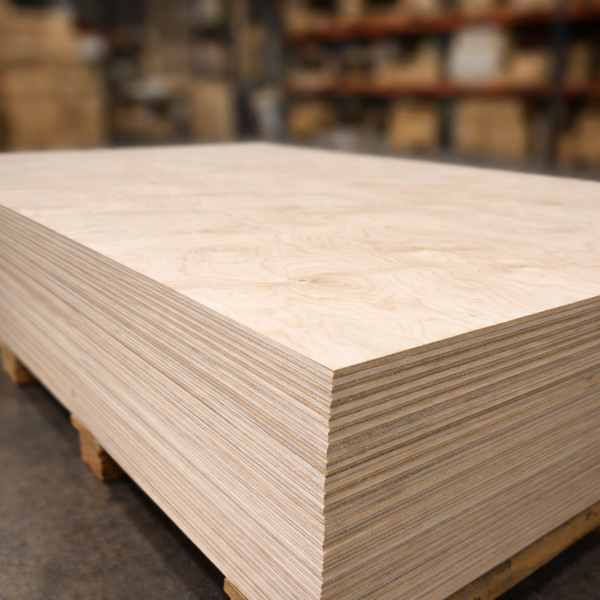
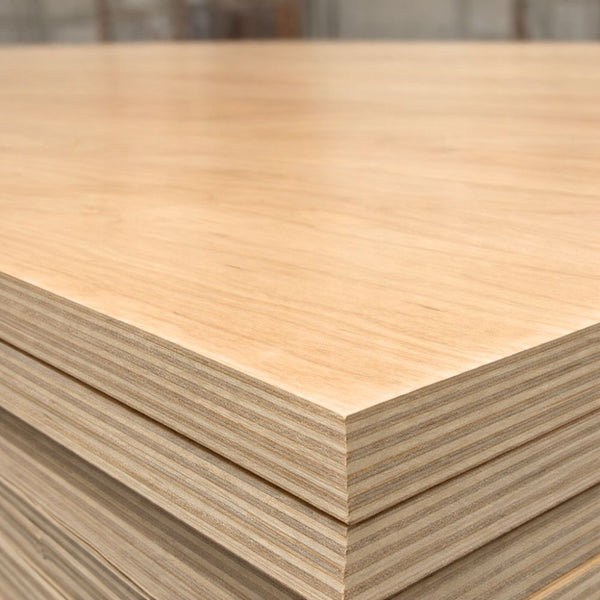
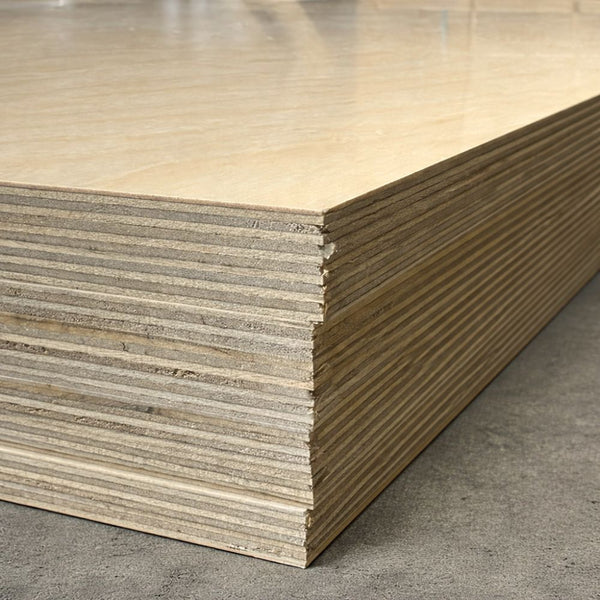
Grade A softwood plywood can be a candidate for cabinet components when its complete construction suits the project. The A label describes a face grade under the applicable standard. It does not mean the panel is automatically void-free, finished on both sides, waterproof or the best choice for every kitchen.
Start with the cabinet part, intended appearance and joinery. Then check the actual panel’s back grade, core, thickness and exposure classification. A smooth-looking face can hide a construction that is unsuitable for the planned machining or visible reverse side.
What does Grade A mean on softwood plywood?
In the common structural softwood-plywood grading system, A identifies a high appearance-quality veneer face with the characteristics and repairs permitted by the standard. It is not a promise that every sheet is untouched natural veneer or has no repairs.
| Information | What it tells you | What it does not guarantee |
|---|---|---|
| A face | Appearance quality under the named grading system. | A void-free core, a factory finish or a rated cabinet assembly. |
| Back grade | The specified quality of the opposite face. | That both sides meet A grade when only one A is stated. |
| Softwood description | The relevant wood category in the product specification. | One species, one density or one strength value for every panel. |
| Exposure or bond classification | The intended panel exposure conditions. | Waterproofing, decay treatment or approval for every wet location. |
| Actual thickness and rating | Dimensions and applicable performance information. | A universal screw length, shelf span or joint layout. |
For example, AC means an A face and a C back in that system—not A-quality faces on both sides. The BC plywood grading guide makes the same face/back distinction. For a B-faced alternative, review BCX plywood grade and exposure terminology and verify the actual panel stamp.
Primary references: APA plywood grades and exposure classifications and its PS 1 structural plywood overview. Do not transfer this face-grade notation unchanged to every hardwood or Baltic panel system.
Which cabinet components should you evaluate?
| Cabinet part | Why an A face may help | Additional checks |
|---|---|---|
| Painted side or end | A prepared appearance-grade face can be a useful starting surface. | Repairs, grain texture, primer and the desired painted finish. |
| Concealed box component | The face quality may be adequate or more than the hidden part needs. | Core, joints, actual thickness and fastening requirements. |
| Shelf | The selected face can suit the intended finish. | Span, supports, load and edge detail; the A grade is not a capacity rating. |
| Visible two-sided panel | The A face can serve one visible surface. | Specify the reverse face too; AC may not suit the desired two-sided appearance. |
| Door or drawer component | Potentially suitable in an approved construction. | Panel stability, edge treatment, weight, grooves and hardware dimensions. |
Use plywood faces and preparation for painted cabinets, shelf thickness and support guidance and the drawer construction thickness chart for those specific decisions.
Softwood plywood versus birch, poplar-core and Baltic Birch panels
Compare complete products at the thickness and finish required by the project. A decorative hardwood veneer over a mixed core, a softwood plywood sheet and an all-birch Baltic panel can have different machining, edge appearance and finishing needs.
Poplar is a hardwood species category, not a softwood simply because it may feel relatively soft. Berta’s standard prefinished plywood lists a poplar plywood core with birch or white melamine faces. It should not be relabeled Grade A softwood plywood to match this article’s topic. Compare poplar-core plywood and Baltic Birch when the choice concerns core construction rather than face-grade lettering.
For the face/core distinction, see birch veneer plywood versus Baltic Birch construction. For interpreting layer count, read what ply count can and cannot tell you.
Moisture, sustainability and durability claims to verify
An A face does not establish exterior suitability. Read the actual panel classification and protect the material according to the cabinet design and environment. A sink cabinet can experience leaks, but that does not make every moisture-resistant panel a waterproof assembly.
Likewise, A grade is not an environmental certification or an emissions statement. Obtain the specific supplier documentation where sourcing or indoor-emissions requirements apply. Do not assume that the species category or a marketing description proves compliance.
Use the plywood grades guide to separate appearance from these other requirements. Claims about scratch resistance, lifespan or structural performance need evidence for the actual product and use.
Compare different cabinet-panel options at Berta
These are clearly identified alternatives—not listings for Grade A softwood plywood. Choose them when their actual core, finish and dimensions fit the indoor cabinet design.

Prefinished Cabinet Plywood
Birch or white melamine surfaces over the listed poplar plywood core. Compare the finished-face requirements before planning additional coating work.
View prefinished cabinet options
Baltic Birch BB/BB Plywood
An unfinished birch-core panel in a different grading system. Review the permitted face repairs, selected thickness and finishing plan.
Compare Baltic Birch sheetsMake one representative joint and finish sample
Before cutting the whole project, check the delivered thickness and trial the intended joint in representative stock. Inspect the core where a groove, rabbet or screw will land. Use the fastener manufacturer’s guidance for the actual substrate rather than relying on a face-grade letter.
Test the finish on the face and the planned edge treatment, including any permitted repairs. For a painted project, decide whether the achieved surface meets the required appearance before repeating the process across visible parts.
The cabinet-joint screw size chart and cabinet plywood buying guide help organize those checks.
Frequently asked questions
Is Grade A softwood plywood always best for cabinets?
No. A grade concerns face quality. The right panel also needs the correct reverse face, core, thickness, finish and joinery for the cabinet component.
Does A-grade plywood contain no repairs?
Do not assume that. The applicable grading standard defines the characteristics and repairs allowed on the face. Inspect the actual sheet and supplier specification.
Is poplar-core birch plywood a softwood panel?
No. Poplar is a hardwood species category, and a birch face does not make it a softwood panel. Use the product’s actual construction description.
Technical basis: APA references linked above. Berta products are alternative cabinet materials, not evidence that one appearance grade is universally superior.