
Berta Store · Alder panel buying worksheet
What is alder plywood?
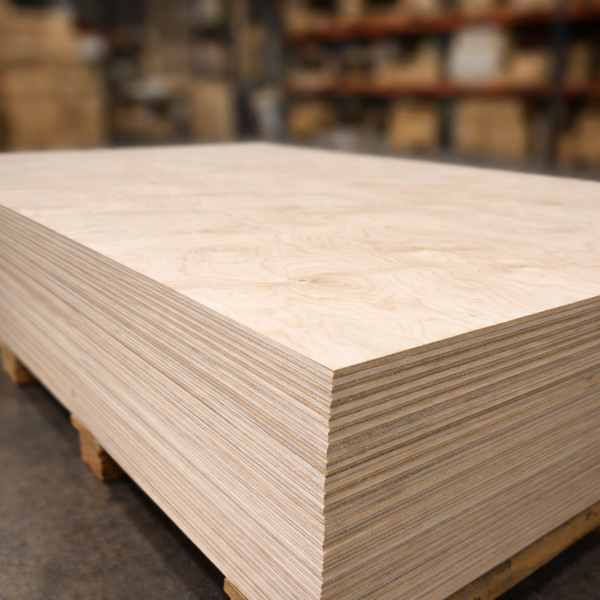
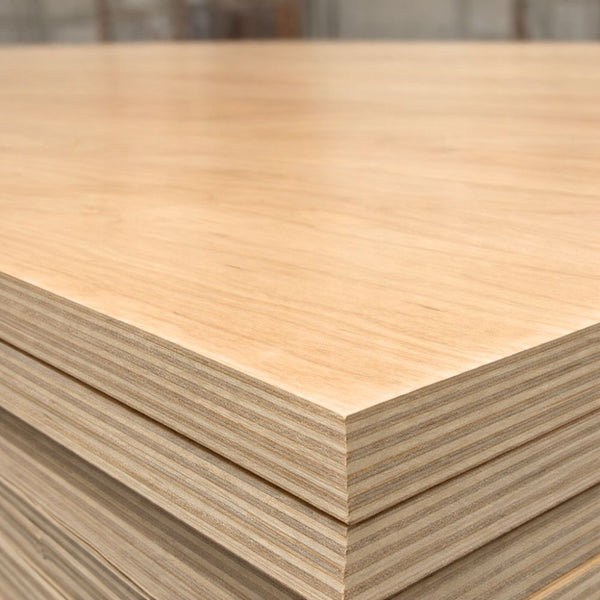
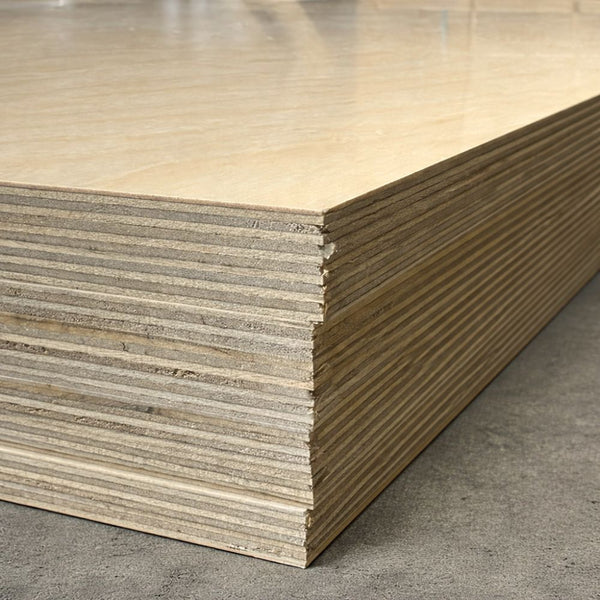
Alder plywood commonly means an alder-veneered panel over a specified plywood or combination core. The visible alder face supplies the appearance; the material beneath it determines much of the machining and panel behavior. Do not assume the whole sheet is solid alder or alder veneer throughout.
It is a candidate for cabinet ends, furniture panels and built-ins when the approved sample has the warmth and natural character the design requires. Select the face grade, core, reverse face and finish together rather than ordering only “alder plywood.” For another warm-toned visible face, compare cherry plywood for cabinet ends and furniture with the approved alder sample.
Clear versus rustic alder: define the sample range
Clear and rustic are appearance choices, not universal measurements of strength. Ask the supplier to show the acceptable range of knots, repairs, color and veneer matching in the particular grade being quoted. An exceptionally clear sample may not represent the rest of a rustic order.
| Appearance decision | Ask for | Why it matters |
|---|---|---|
| Cleaner, restrained face | The manufacturer’s grade description and representative samples. | The word clear can still allow defined natural variation. |
| Rustic or knotty appearance | Permitted knot type, size, repairs and character distribution. | Intentional character should not be confused with unspecified damage. |
| Adjacent cabinet panels | Veneer cut, matching method and sheet-to-sheet selection. | The same species name does not guarantee a continuous visual match. |
| Both sides visible | A separately defined reverse-face requirement. | A good front does not establish equal quality on the back. |
As one manufacturer-specific example, Columbia Alder distinguishes A, B and C/rustic appearances and offers different core constructions. Its grade descriptions apply to that offering; they should not be transferred unchanged to every alder supplier.
Read how plywood appearance grades and core specifications differ before treating a face grade as a complete product description.
Where alder plywood adds value in a cabinet
Exposed end panels: approve the face, any visible reverse side and the front edge together. Check where the veneer grain will run after cutting, especially on tall ends beside shorter cabinets.
Furniture and built-in surfaces: confirm the core and actual thickness for the span, support and joint. A decorative alder face is not a load rating. The shelf thickness and support guide addresses the separate structural decision.
Doors and applied fronts: obtain an approved construction for the finished dimensions, balancing layers, edge detail and hardware. A large veneered slab and a frame-and-panel door are different assemblies.
Hidden or fully painted components: decide whether the specialty face serves any purpose. A suitable alternative panel may fit the project better when the alder appearance will not remain visible. See panel selection for painted cabinets.
Alder stain and edge-match test: the useful sample sequence
Do not assume alder veneer will take every stain evenly or match solid alder trim without testing. Veneer cut, sanding, adhesive contamination and the finishing system all affect the result. A sample from unrelated solid lumber is not enough to approve a plywood face. If the desired look is naturally darker, compare walnut plywood for visible cabinetry before relying on stain to change alder’s appearance.
| Step | Test on actual material | Record |
|---|---|---|
| 1. Select representative faces | A piece showing the proposed grade’s normal color and character. | Supplier, grade, core and sample identification. |
| 2. Add the planned edge | Veneer banding or solid edging used beside that face. | Material, edge thickness and joint appearance. |
| 3. Prepare consistently | The intended sanding and surface-cleaning sequence. | Veneer thickness limits and the preparation method. |
| 4. Test the whole finish | Any approved conditioner/sealer, color treatment and final topcoat. | Exact products and application sequence; no universal recipe. |
| 5. Review in the room | Face and edge under the project’s normal lighting. | Approved color range and sheen. |
For the broader method, use the plywood stain-testing guide. A factory-prefinished alternative should not be treated as raw veneer ready to receive the same stain recipe.
Alder versus maple, beech, hickory and Baltic Birch
| Alternative | Useful comparison | Keep separate |
|---|---|---|
| Maple-faced plywood | Face appearance, color and available factory finish. | A different species is not an exact alder color match. |
| Beech-faced plywood | Veneer cut and the appearance under the chosen topcoat. | Beech face and all-beech core are different specifications. |
| Hickory-faced plywood | The desired range of visible grain and natural character. | Rustic labels and permitted features vary by supplier. |
| Baltic Birch | Core construction, machined edge and unfinished cabinet workflow. | It is not a substitute for a specified alder face where appearance must match. |
Explore beech face and core choices and hickory plywood character and cabinet uses when those looks are genuinely under consideration. A material comparison should help choose the project specification, not imply that all hardwood faces are interchangeable.
Different cabinet materials available from Berta
No alder plywood product was found in the reviewed Berta catalog. These products are alternatives for projects where an exact alder face is not required.

Prefinished Maple Plywood
Compare the actual maple color and factory finish for visible cabinet work. This is not alder veneer and is not represented as a stain-matched replacement.
View prefinished maple panels
Baltic Birch BB/BB Plywood
Evaluate an unfinished birch-core panel when the construction and final finishing workflow matter more than an alder face.
Compare unfinished Baltic BirchFrequently asked questions
Is alder plywood good for cabinets?
It can suit visible cabinet components when its face, core, actual thickness and finish meet the design. The alder name alone does not approve a panel for every cabinet part.
Is rustic alder lower quality?
Rustic describes an appearance range in the supplier’s grading system. Specify the intended character separately from core integrity, bond quality and manufacturing defects.
Will alder plywood and solid alder edging stain the same?
Do not assume they will. Test the actual veneer and edging with the complete finishing system before approving the color match.
Primary appearance reference: Columbia Alder, linked above. This guide supplies a purchasing and finishing worksheet, not a guarantee of current alder inventory or panel load capacity.