
Berta Store Material Guide
What Is Sande Plywood?
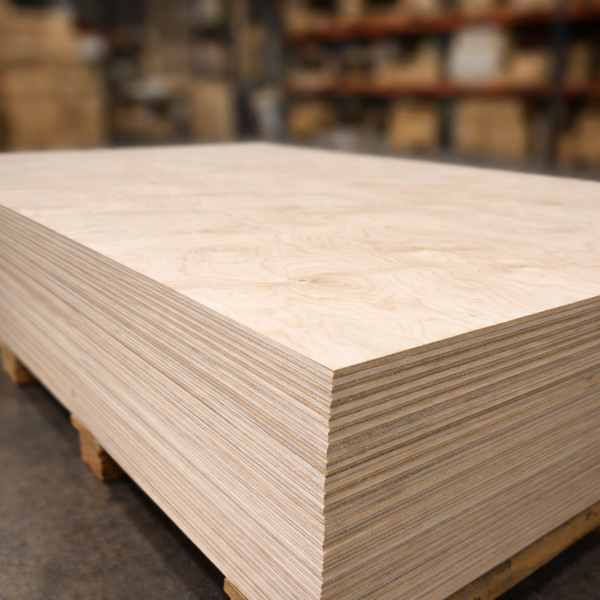
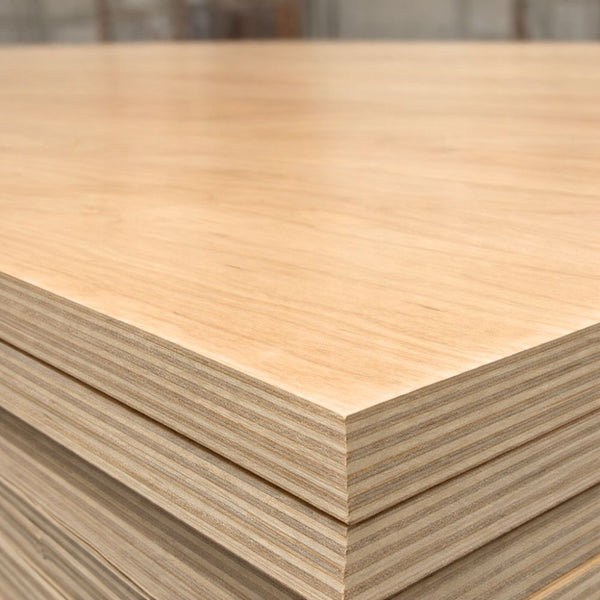
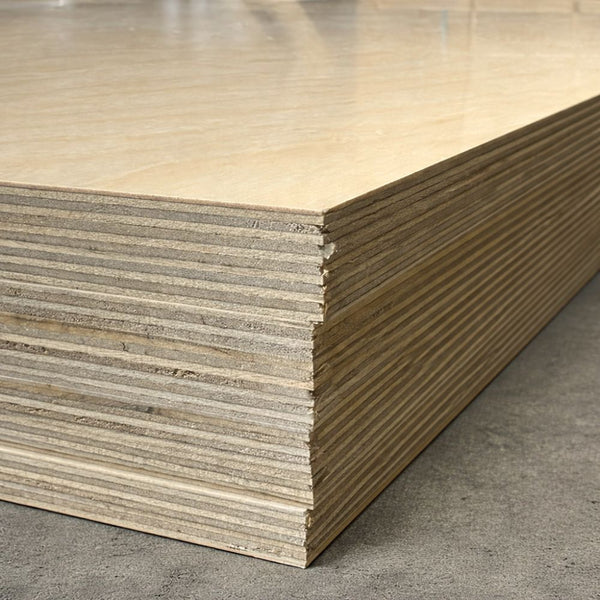
Sande plywood is a smooth hardwood plywood panel often used for cabinetry, shelving, painted furniture, closets, and interior woodworking projects where a clean surface matters.
The name Sande refers mainly to the hardwood face veneer. It does not automatically define the panel core, glue type, structural rating, or cabinet-grade quality.
Best Known For
A smooth, paint-ready surface that looks cleaner than common construction plywood.
Common Uses
Cabinet parts, shelving, closets, built-ins, wall panels, and painted furniture.
Important Note
Sande is a veneer description, not a guarantee of exterior glue, void-free core, or cabinet-grade construction.
What Does “Sande” Mean in Plywood?
When a panel is labeled Sande plywood, it usually means the face veneer is made from Sande hardwood, a light-colored tropical hardwood often chosen for its smooth, uniform appearance.
That surface quality is why Sande plywood is popular for paint-grade woodworking. It can look cleaner than rough softwood plywood and usually requires less prep before primer or paint.
In simple terms: Sande plywood gives you a smooth, attractive hardwood face at a more accessible price point than many premium hardwood plywood options. It is a practical middle ground for projects that need a clean finish but do not require the strength or consistency of premium cabinet-grade panels.
What Sande Describes
- The hardwood face veneer
- The smooth surface appearance
- The finish-friendly character of the panel
What Sande Does Not Guarantee
- Void-free core construction
- Exterior-rated adhesive
- Structural rating
- Cabinet-grade performance
How Sande Plywood Is Made
Sande plywood is manufactured using the same engineered wood principles as other plywood panels. Thin veneers are layered in alternating grain directions, bonded with adhesive, pressed, trimmed, and sanded into flat sheets.
01. Veneer Selection
Sande face veneers are selected for light color, smoothness, and visual consistency.
02. Core Assembly
Multiple wood layers are stacked cross-grain to improve stability and panel strength.
03. Bonding & Pressing
Interior or exterior adhesives may be used depending on the manufacturer and panel rating.
04. Sanding & Finishing
The face is machine-sanded to create a smoother, more paint-ready surface.
Benefits of Sande Plywood
Sande plywood is valued because it gives woodworkers a smooth hardwood face without moving into the highest price tier of premium cabinet-grade plywood.
Smooth Finish for Painting
The surface accepts primer and paint well, making it useful for paint-grade furniture, cabinet parts, and built-ins.
Cleaner Than Utility Plywood
Compared with rough construction panels, Sande plywood usually offers a more refined face for visible projects.
Easy to Work With
It cuts, sands, and paints easily when handled with sharp blades, light sanding, and proper edge sealing.
Budget-Friendly Appearance
It can deliver a cleaner look than standard softwood plywood while remaining more affordable than many premium hardwood panels.
Versatile for Interior Projects
It is commonly used for shelving, closets, storage pieces, painted furniture, and light cabinet components.
Common Uses of Sande Plywood
Sande plywood is best suited for projects where the final appearance matters, but extreme structural performance is not the main requirement.
- Painted furniture
- Cabinet interiors
- Closets and storage units
- Shelving and built-ins
- Wall panels and accent details
- Desks, side tables, and utility furniture
- Vanity boxes with proper sealing
- Light-duty shop fixtures
Not recommended for: heavy structural use, roof sheathing, subfloors, constant moisture exposure, or exterior applications unless the exact panel is rated for that environment.
Cabinet Builder Note
Is Sande Plywood Good for Cabinets?
Sande plywood can work for some cabinet parts, especially painted or hidden interior components. But for cabinet boxes, drawer parts, exposed edges, and heavy-use builds, a stronger cabinet-grade panel is usually the better long-term choice.
If your project needs cleaner edges, better screw holding, more consistent plies, or a premium finished appearance, consider upgrading to Baltic Birch, prefinished plywood, or another cabinet-grade hardwood panel.
Sande Plywood vs Other Plywood Types
Sande plywood sits between basic construction plywood and premium cabinet-grade hardwood plywood. Here is how it compares in real-world woodworking projects. When comparing retail options, review the Home Depot and cabinet-grade panel checklist instead of assuming the seller or veneer name guarantees quality.
| Plywood Type | Surface | Best For | Berta Store Take |
|---|---|---|---|
| Sande Plywood | Smooth, paint-ready hardwood face | Painted furniture, shelving, light cabinet parts | Good for smooth surfaces, but quality varies by panel |
| Baltic Birch Plywood | Premium hardwood appearance with consistent plies | Drawer boxes, cabinets, furniture, CNC projects | Best upgrade when strength and edge quality matter |
| Prefinished Plywood | Factory-coated surface | Cabinet interiors, closets, fast installation | Best choice when you want a clean finish without extra coating work |
| Maple Plywood | Smooth hardwood face with a light, refined look | Visible cabinet faces, furniture, premium paint or clear finishes | A polished option for projects where appearance is a priority |
| BCX / ACX Plywood | Softwood face with exterior-grade options | Utility builds and some outdoor applications | Better for utility use than fine cabinet work |
| CDX Plywood | Rough construction-grade surface | Sheathing, subfloors, structural utility work | Not intended for premium finished surfaces |
| MDO Plywood | Resin-overlay smooth surface | Signs, painted exterior panels, specialty uses | A better specialty option for painted outdoor-facing projects |
Sande Plywood vs Birch Plywood: Quick Difference
Sande plywood is often chosen for its smooth, affordable face veneer. Birch plywood is usually more predictable for cabinet boxes, drawer parts, and paint-grade built-ins because it often offers better stiffness, edge quality, screw holding, and ply consistency.
For a deeper cabinet-focused breakdown, read our guide to Sande vs Birch plywood.
Tips for Working With Sande Plywood
Prime Before Painting
Sande plywood is smooth, but primer helps paint lay down evenly and improves the final finish.
Use a Fine-Tooth Blade
A sharp, fine-tooth blade helps reduce tear-out on the face veneer.
Seal Exposed Edges
Raw plywood edges absorb moisture quickly. Seal edges carefully, especially in bathrooms, laundry rooms, or humid spaces.
Avoid Over-Sanding
The face veneer can be thin. Sand lightly before finishing to avoid cutting through the surface layer.
Store Sheets Flat
Flat storage helps reduce bowing and keeps panels easier to cut and assemble.
Better Cabinet-Grade Alternatives
Berta Store Alternatives to Sande Plywood
Berta Store specializes in premium plywood and cabinet hardware for builders who need stronger, cleaner, more reliable results than commodity panels can offer.
Baltic Birch Plywood
A premium upgrade for drawer boxes, shelves, cabinet boxes, CNC parts, and exposed-edge projects.
Explore Baltic Birch plywoodBB/BB Baltic Birch
A strong cabinet and furniture panel for builders who want reliable plies, clean machining, and better edge quality.
Order BB/BB Baltic Birch plywoodPrefinished Plywood
A smart choice for cabinet interiors, closets, and projects where you want a clean factory finish without extra coating work.
Shop prefinished cabinet-grade plywood 4x8Cabinet Hardware
Finish your cabinet build with soft-close hinges and full-extension drawer slides for a premium everyday feel.
Shop hinges | Shop drawer slidesFrequently Asked Questions About Sande Plywood
What is Sande plywood?
Sande plywood is a hardwood plywood panel with a smooth Sande face veneer. It is commonly used for painted furniture, shelving, cabinet parts, closets, and interior woodworking projects where surface appearance matters.
What does Sande plywood mean?
The word Sande refers mainly to the hardwood species used for the face veneer. It does not automatically describe the core, glue type, structural rating, or cabinet-grade quality of the panel.
What are the benefits of Sande plywood?
Sande plywood is smooth, easy to paint, relatively affordable, and useful for many interior projects. It can be easier to finish than rough construction plywood, but quality can vary by manufacturer and grade.
What is Sande plywood used for?
Common uses include painted furniture, shelving, cabinet interiors, closets, built-ins, wall panels, storage units, and light-duty shop projects.
Is Sande plywood good for cabinets?
Sande plywood can work for some cabinet parts, especially painted or hidden interior components. For cabinet boxes, drawer parts, exposed edges, or heavy-use builds, Baltic Birch or another cabinet-grade plywood is usually a stronger and more predictable choice.
Is Sande plywood good for furniture?
Yes. Sande plywood can be a good option for painted furniture, shelving, desks, side tables, and storage projects where a smooth surface is more important than exposed-edge appearance.
Sande plywood vs Baltic Birch: which is better?
Sande plywood is usually chosen for smooth faces and affordability. Baltic Birch is usually better for strength, exposed edges, drawer boxes, CNC parts, and cabinet components that need consistent plies and stronger screw holding.
Sande plywood vs maple plywood: what is the difference?
Sande plywood is often used as a smooth, economical paint-grade panel. Maple plywood is typically selected for a more refined hardwood appearance, visible cabinet faces, furniture, and higher-end finish work.
What are better alternatives to Sande plywood?
For stronger cabinet-grade builds, consider Baltic Birch plywood, prefinished plywood, maple plywood, or another hardwood panel with a stable core and consistent grade.
Final Thoughts
Sande plywood is a versatile hardwood panel that gives builders a smooth, paintable surface without the premium cost of higher-end hardwood plywood. It is useful for cabinetry, shelving, painted furniture, built-ins, and projects where the finished look matters.
For cabinet boxes, drawer parts, exposed edges, and long-lasting professional builds, Berta Baltic Birch plywood and Berta prefinished plywood offer stronger structure, cleaner edges, and more predictable performance.