
Quick answer
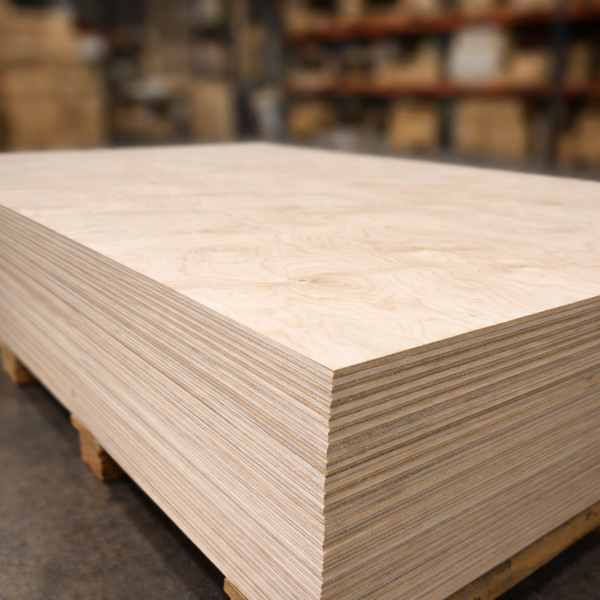
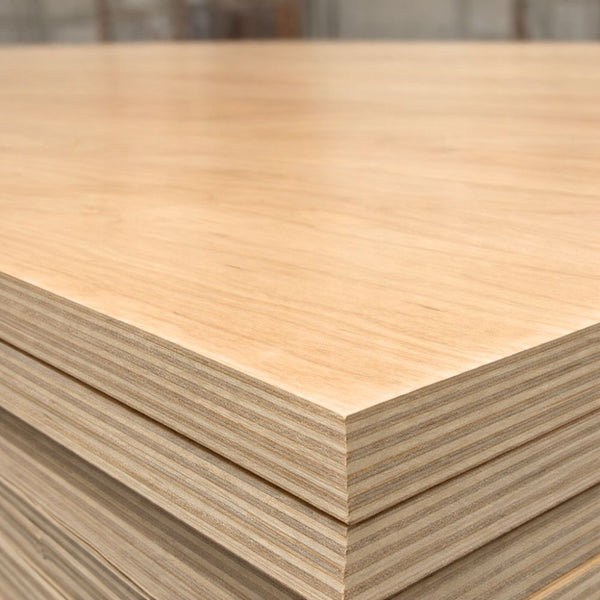
Mahogany plywood is a hardwood veneer plywood panel used when a cabinet or furniture project needs a warm reddish-brown face, fine grain, and a more traditional premium look.
For cabinets, mahogany plywood is usually best for visible parts: doors, finished ends, wall panels, furniture faces, display units, and built-ins. For hidden cabinet boxes, drawer parts, or interiors, many shops use cabinet-grade plywood, prefinished plywood, or Baltic Birch instead.
What is mahogany plywood?
Mahogany plywood is plywood with a mahogany or mahogany-look hardwood veneer face bonded to an engineered core. The core may be veneer core, MDF core, combination core, or another panel construction depending on the product.
The word “mahogany” can be used in more than one way. It may refer to genuine mahogany, African mahogany, sapele, meranti, lauan, okoume, or another reddish-brown hardwood face depending on the supplier and grade. That is why the exact species, veneer cut, face grade, and core should be confirmed before matching cabinet doors or wall panels.
In cabinet work, mahogany plywood is chosen for appearance first. It gives projects a warm, deep wood tone that works well in traditional cabinetry, libraries, offices, furniture-style built-ins, retail fixtures, and architectural interiors.
Shop note: do not buy mahogany plywood by name alone. Confirm the face species, veneer quality, grain direction, core, thickness, and finish plan before ordering sheets for a visible cabinet run.
Mahogany plywood grades for cabinets
Mahogany plywood grades usually describe the face quality and back quality. Higher grades are better for visible cabinet parts. Lower grades can work for hidden panels, shop fixtures, or painted work.
| Grade or face quality | What it usually means | Best cabinet use | Finish note |
|---|---|---|---|
| A face / premium face | Cleaner veneer with better color control, fewer repairs, and a more consistent appearance. | Visible cabinet faces | Best for clear finish, light toner, and furniture-grade cabinet work. |
| B face / cabinet face | Good face quality with some natural variation, repairs, or color movement. | Cabinet ends, shelves, built-ins, furniture panels, and millwork. | Works well with medium stains, toned finishes, and traditional interiors. |
| C face or utility face | More visible defects, patches, streaks, or color variation. | Hidden parts, backing panels, shop fixtures, and lower-visibility work. | Not ideal for premium clear-finished cabinet faces. |
| One-good-side panel | One face is selected for appearance; the reverse side may be lower grade. | End panels, wall panels, backs, and furniture parts with one visible side. | Check both sides before cutting reversible parts. |
Types of mahogany plywood
Different panels can be sold as mahogany plywood even when the exact face species and appearance are different. That matters when the sheet needs to match cabinet doors, furniture parts, or existing millwork.
| Type | Typical appearance | Best use | Buying note |
|---|---|---|---|
| Genuine mahogany plywood | Warm reddish-brown tone with fine, even grain. | Premium furniture, cabinets, panels, and restoration-style work. | Confirm species and sourcing if exact appearance matters. |
| African mahogany plywood | Similar warm tone, sometimes with stronger grain movement. | Cabinet faces, furniture, office millwork, and wall panels. | Good option when a mahogany look is needed at a practical price. |
| Sapele plywood | Richer reddish-brown color, often with ribbon-like figure. | Furniture, architectural panels, feature walls, and high-end interiors. | Great appearance, but match grain and finish samples carefully. |
| Meranti or lauan plywood | Reddish hardwood look, often more utility-focused. | Panels, underlayment, utility work, and some interior applications. | Do not assume it is cabinet-grade without checking the face and core. |
| Okoume plywood | Light reddish-pink to pale brown, usually lightweight. | Boat interiors, lightweight panels, and specialty projects. | Often discussed with marine plywood, not always the best cabinet default. |
Best cabinet rule: if the sheet will be visible, ask for the exact species or face description. “Mahogany plywood” is not always one single look.
Mahogany plywood core types
The face veneer gives mahogany plywood its color and grain. The core decides how the sheet cuts, stays flat, holds screws, and performs in cabinet construction.
| Core type | Strength | Flatness | Best cabinet use |
|---|---|---|---|
| Veneer core | Good screw holding and traditional plywood feel. | Can vary depending on panel quality. | Cabinet boxes, shelves, furniture cases, and structural parts. |
| MDF core | Lower edge screw holding than veneer core. | Very flat | Doors, wall panels, slab faces, and smooth architectural panels. |
| Combination core | Balanced strength and screw holding. | Better flatness than many veneer cores. | Cabinet ends, furniture panels, doors, and larger millwork pieces. |
| Particleboard core | Lower edge strength than veneer core. | Usually flat and consistent. | Furniture panels and decorative work where cost and flatness matter. |
Mahogany plywood thickness for cabinets
Most cabinet shops choose plywood thickness by part. A decorative back panel does not need the same thickness as a long shelf or a cabinet side.
| Thickness | Common use | Good for cabinets? | Shop note |
|---|---|---|---|
| 1/4 mahogany plywood | Cabinet backs, inserts, panels, skins, decorative surfaces. | Only for non-structural parts. | Needs support. Not for shelves or cabinet sides. |
| 1/2 mahogany plywood | Drawer parts, light panels, backs, smaller furniture components. | Works when the design supports it. | Can flex on wider spans. Measure before cutting grooves. |
| 5/8 mahogany plywood | Light cabinet boxes, wall panels, smaller shelves, furniture parts. | Useful, but less common as the premium default. | Check actual thickness before machining dados or rabbets. |
| 3/4 mahogany plywood | Cabinet boxes, shelves, built-ins, furniture cases, wall units. | Best default | Best choice when the part needs stiffness, screw holding, and a solid feel. |
| 18mm mahogany plywood | Metric cabinet work, closets, frameless cabinets, furniture panels. | Often used like cabinet-grade 3/4 material. | Confirm actual thickness before mixing metric sheets with imperial hardware. |
Is mahogany plywood good for cabinets?
Yes, mahogany plywood is good for cabinets when the warm mahogany face will be visible. It is often used for cabinet ends, slab doors, open shelves, furniture-style vanities, office built-ins, display cases, and wall panels.
It is usually not the best value for hidden cabinet boxes. If the interior will not be seen, a practical cabinet-grade panel can make more sense. If the interior needs to be finished and durable, prefinished plywood can save time.
| Cabinet part | Mahogany plywood fit | Recommended thickness | Reason |
|---|---|---|---|
| Visible cabinet ends | Excellent | 3/4 or skin panel depending on design | The mahogany face becomes part of the finished room. |
| Slab cabinet doors | Good with the right core | Usually 3/4 | Use a flat core and plan veneer direction carefully. |
| Open shelves | Excellent | 3/4 | Shows the grain and gives a substantial finished shelf edge. |
| Cabinet interiors | Good, but can be expensive | 1/2 to 3/4 | Use only when the mahogany interior is part of the design. |
| Hidden cabinet boxes | Often unnecessary | 3/4 cabinet-grade plywood | Use a practical cabinet material when the face will not show. |
Mahogany plywood uses
Mahogany plywood works best when the finished face is part of the design. It is less about utility and more about appearance, warmth, and matching a premium interior style.
| Project | Good fit? | Why | Better alternative when |
|---|---|---|---|
| Kitchen cabinet faces | Yes | Warm tone and fine grain create a furniture-grade cabinet look. | Use prefinished plywood for hidden interiors or utility boxes. |
| Office built-ins and libraries | Excellent | Mahogany gives a traditional, upscale appearance. | Use cabinet-grade plywood where the surface will be painted. |
| Furniture panels | Excellent | Good for case pieces, shelving, desks, and display furniture. | Use Baltic Birch when exposed plywood edges are part of the design. |
| Wall panels and millwork | Good | Works well in commercial interiors, offices, and feature walls. | Use MDF core when flatness is more important than screw holding. |
| Painted cabinets | Usually no | You lose the reason for paying for mahogany veneer. | Use paint-grade plywood, MDF, or another smooth cabinet material. |
| Drawer boxes | Sometimes | Can work when the mahogany interior is part of the design. | Use Baltic Birch for strong, clean drawer construction. |
Mahogany plywood finishing guide
Mahogany plywood finishes best when the veneer is sanded evenly, tested first, and protected with a clear or toned finish. The veneer is thin, so avoid aggressive sanding.
Always test stain, toner, sealer, and clear coat on a cutoff from the same sheet. Mahogany can darken quickly with oil-based finishes and can look very different under warm cabinet lighting.
| Finish type | How it looks on mahogany plywood | Best use | Risk to avoid |
|---|---|---|---|
| Clear finish | Shows the natural reddish-brown tone and grain. | Furniture, cabinet faces, built-ins, and wall panels. | Some finishes can darken or amber the face more than expected. |
| Oil-style finish | Deepens color and gives the panel a richer look. | Furniture-style cabinetry and traditional interiors. | Can become too dark if not sampled first. |
| Light stain or toner | Balances color while keeping the mahogany character visible. | Cabinet runs where color consistency matters. | Uneven sanding can show through the finish. |
| Dark stain | Creates a deep classic mahogany look. | Libraries, offices, furniture, and feature walls. | Can hide grain and make panels look heavy if overdone. |
| Paint | Covers the mahogany face and wastes the visible veneer. | Only when grain texture is intentional. | Choose another panel if a smooth painted finish is the goal. |
Mahogany plywood vs other cabinet materials
Mahogany plywood is usually a visible-face material. For many cabinet projects, it is paired with other panels to control cost, finishing time, and performance. If a lighter visible-face option is wanted, compare white oak plywood grades and grain choices using the intended finish.
| Material | Primary strength | Best application | How it compares with mahogany |
|---|---|---|---|
| Mahogany plywood | Warm premium face and traditional furniture look. | Cabinet faces, built-ins, furniture, wall panels, and offices. | Best when the reddish-brown grain is part of the design. |
| Baltic Birch plywood | Stable multi-ply core and clean machining. | Drawer boxes, shelves, furniture parts, jigs, CNC work. | Better for exposed plywood edges and structural shop work. |
| Prefinished plywood | Ready-to-use finished surface. | Cabinet boxes, closets, shelves, and interiors. | Better when finishing time matters more than mahogany grain. |
| Cabinet-grade plywood | Broad material choice for shop-built cabinets. | Cabinets, closets, furniture, shelving, and millwork. | Better starting point when you need to compare core, face, thickness, and price. |
Mahogany plywood vs marine mahogany plywood
Some buyers search for mahogany plywood because they are thinking about boats or exterior projects. Cabinet mahogany plywood and marine plywood are not automatically the same thing.
| Panel type | Main priority | Best use | Cabinet note |
|---|---|---|---|
| Cabinet mahogany plywood | Face appearance, finish quality, and interior use. | Cabinets, furniture, built-ins, wall panels, and millwork. | Best choice when the mahogany face will be visible indoors. |
| Marine mahogany plywood | Moisture resistance, core quality, and exterior-rated construction. | Boatbuilding, exterior panels, wet-area specialty projects. | Usually unnecessary for normal indoor cabinet boxes. |
| Okoume marine plywood | Lightweight marine construction. | Boats, lightweight panels, and specialty builds. | Not selected for the same look as furniture-grade mahogany cabinets. |
If the project is a normal kitchen, office, library, closet, or built-in cabinet, choose the cabinet material for appearance and machining. Do not pay for marine specifications unless the environment requires them.
How to choose mahogany plywood before ordering
Mahogany plywood is a finish material. The wrong face or core can be difficult to hide after the cabinet is built.
Confirm the face species
Ask whether the panel is genuine mahogany, African mahogany, sapele, meranti, lauan, okoume, or another mahogany-look veneer.
Choose the visible face first
For doors, end panels, furniture faces, and wall panels, choose the veneer look before deciding on the rest of the panel.
Match the core to the part
Use veneer core where screw holding matters. Use MDF or combination core where flatness and a smooth face matter more.
Pick thickness by load
Use 3/4 for shelves, sides, tall panels, and furniture cases. Use thinner material only for supported backs, skins, and inserts.
Test the finish early
Use cutoffs to test stain, toner, sealer, and clear coat. Check samples in the same lighting as the final cabinet location.
Common mistakes with mahogany plywood
Most problems happen when mahogany plywood is treated like a basic utility sheet. It needs the same planning as any visible hardwood panel.
Shop cabinet materials for the right part of the build
Use mahogany plywood where the face will be visible. For cabinet interiors, drawer boxes, shelves, and production work, compare cabinet-grade alternatives that may save time or improve machining.
Berta Store
Shop cabinet plywood, Baltic Birch, prefinished panels, acrylic MDF panels, cabinet hardware, and project supplies from one source.
Visit Berta StoreCabinet-grade plywood collection
Compare plywood options for cabinets, closets, shelving, furniture, built-ins, and interior millwork.
Browse plywoodPrefinished plywood
Use factory-finished panels for cabinet boxes, shelves, and closets when you want to reduce finishing labor.
Shop prefinishedBaltic Birch plywood
Choose Baltic Birch for drawer boxes, furniture parts, jigs, shelves, CNC work, and clean exposed edges.
Compare Baltic BirchFAQ
What is mahogany plywood?
Mahogany plywood is plywood with a mahogany or mahogany-look hardwood veneer face bonded to an engineered core. It is used for cabinets, furniture, wall panels, built-ins, and interior millwork when a warm reddish-brown wood face is desired.
Is mahogany plywood good for kitchen cabinets?
Yes, when the mahogany face will be visible. It works well for cabinet ends, slab doors, open shelves, built-ins, and furniture-style cabinetry. For hidden cabinet boxes, another cabinet-grade panel may be more practical.
What thickness mahogany plywood is best for cabinets?
For most cabinet boxes, shelves, furniture cases, and built-ins, 3/4 mahogany plywood is the best default. Use thinner panels for backs, skins, inserts, and supported decorative parts.
Does mahogany plywood stain well?
Yes. Mahogany plywood accepts clear finishes, toners, oils, and stains well when the veneer is sanded evenly and tested first. Always test on a cutoff from the same sheet before finishing a full cabinet run.
Is mahogany plywood the same as marine plywood?
No. Mahogany plywood describes the face appearance. Marine plywood describes a panel built for moisture resistance and core quality. Some marine panels use mahogany-like species, but cabinet mahogany plywood is not automatically marine grade.
Is mahogany plywood better than Baltic Birch?
It depends on the project. Mahogany plywood is better when the visible face and warm wood tone matter. Baltic Birch is better for strong cores, drawer boxes, exposed plywood edges, CNC work, and clean machining.
Can mahogany plywood be painted?
It can be painted, but painting usually hides the reason for choosing mahogany veneer. If the goal is a smooth painted finish, paint-grade plywood or MDF is usually a better value.
Bottom line
Mahogany plywood is a premium cabinet and furniture panel when the face will be seen. It gives cabinets, offices, libraries, built-ins, and wall panels a warm, traditional wood tone that is difficult to match with utility plywood.
The right sheet depends on more than the word “mahogany.” Confirm the face species, veneer grade, core, thickness, and finish before ordering. Use 3/4 mahogany plywood for shelves, cabinet panels, and furniture cases. Use thinner panels only where the design supports them.
For hidden cabinet structure, drawer boxes, and interiors, compare Berta Store’s cabinet-grade plywood collection, prefinished plywood, and Baltic Birch plywood to match the right panel to the right part of the build.