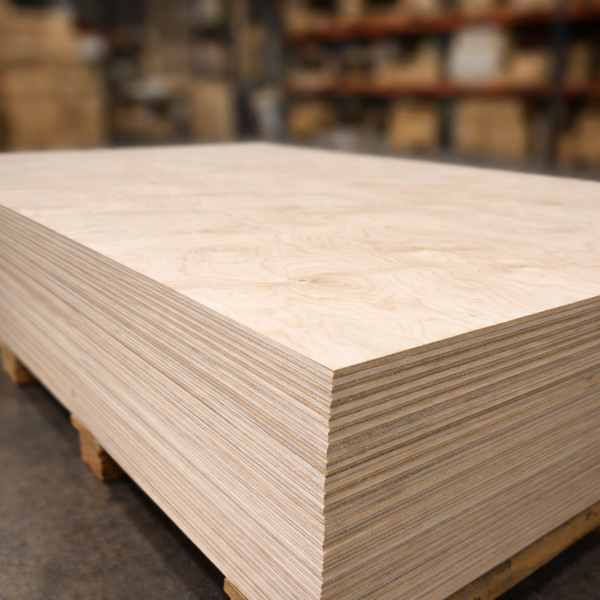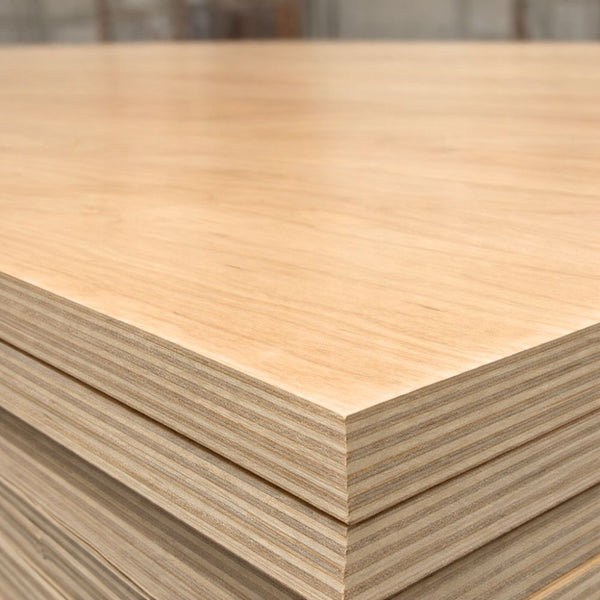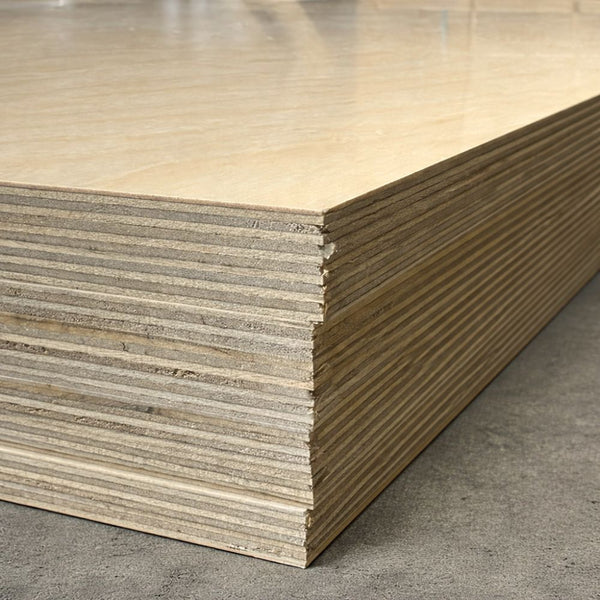

RTD plywood is a common retail and jobsite term for structural Rated Sheathing. It is not a separate specialty grade, and the RTD label alone does not mean that a panel is waterproof, Exterior-rated, furniture-grade, or covered with a resin overlay. Check the panel’s grade stamp for its intended use, span rating, thickness, and bond classification. Exposure 1 panels are designed to handle temporary construction moisture, while Exterior panels are designed for longer-term weather exposure. For the resin-faced product, compare MDO plywood and its overlay separately from structural sheathing.
In this plywood context, RTD should not be expanded as “Resistance Temperature Detector.” APA — The Engineered Wood Association explains that RTD is an abbreviation for “Rated,” and that “RTD Sheathing” is shorthand for Rated Sheathing.
RTD plywood is commonly discussed alongside CDX plywood because both are found in structural construction. The labels, however, do not tell you exactly the same thing. The safest way to select either panel is to read the complete grade stamp instead of relying on the product nickname.
1. What Does RTD Mean in Plywood?
When a retailer describes a plywood sheet as RTD sheathing, the term generally refers to Rated Sheathing. APA states that RTD is not a separate or special grade of sheathing. It is shorthand for a performance-rated structural panel category.
That distinction matters because RTD does not describe a decorative surface, a resin coating, or a unique waterproofing treatment. It also does not promise that every panel sold under the RTD label has the same thickness, span capacity, veneer appearance, or exposure classification.
Rated Sheathing is selected primarily for structural performance. Manufacturers produce it for applications such as roof and wall sheathing, and some panels may be permitted for subfloor use when their span rating and project requirements allow it.
Practical rule: Treat “RTD” as the start of the product description, not the complete specification. The grade stamp is what tells you how the panel is rated to perform.
2. Why the Panel Grade Stamp Matters More Than the Letters RTD
A structural plywood stamp is a compact technical description of the panel. Before using RTD plywood in a roof, wall, or floor system, look for the information below and confirm that it matches the plans, manufacturer instructions, and local building code.
Panel grade
Look for an end-use designation such as Rated Sheathing or Rated Sturd-I-Floor. These names indicate the type of structural application for which the panel was evaluated.
Span rating
A rating such as 32/16 identifies recommended support spacing. On Rated Sheathing, the first number relates to roof supports and the second to subfloor supports, subject to installation conditions.
Bond classification
The stamp should identify the panel as Exposure 1 or Exterior. This tells you the severity and duration of moisture exposure the bond classification is designed to withstand.
Thickness and category
Confirm the Performance Category and declared thickness. A nominal description such as 1/2 inch or 3/4 inch may not equal the panel’s exact measured thickness.
Product standard
Structural plywood may be marked to standards such as PS 1 or PS 2. The stamp can also identify the third-party certification agency and manufacturing mill.
Special markings
Depending on the panel, you may also see Structural I, tongue-and-groove, Sized for Spacing, face orientation, or other application-specific information. When the specification calls for fire-retardant treatment, review fire-resistant plywood grades and rating checks alongside the required product documentation.
For example, a 32/16 Rated Sheathing panel is commonly read as a maximum recommended support spacing of 32 inches on center for roof sheathing and 16 inches on center for subflooring. That shorthand is not a substitute for checking edge support, loading, orientation, fastener schedules, and the project’s approved design.
3. Exposure 1 Versus Exterior Plywood
Exposure classification is one of the most important details on the stamp. It describes the moisture durability of the panel’s bond and the conditions for which the product is intended.
| Comparison | Exposure 1 | Exterior |
|---|---|---|
| Intended exposure | Temporary moisture during normal construction delays or similarly limited conditions. | Repeated wetting and drying or longer-term exposure to weather when the application calls for Exterior panels. |
| Typical service condition | Protected from long-term weather after the building is enclosed. | Used where the panel specification must tolerate more severe or prolonged exposure. |
| Does it mean waterproof? | No. The wood panel can still absorb moisture and change dimension. | No. Exterior is a bond classification, not a promise that the entire wood panel is waterproof or maintenance-free. |
| What to verify | The grade stamp, manufacturer data, storage conditions, and how quickly the panel will be covered. | The grade stamp, manufacturer-approved end use, detailing, coatings or finishes, and code requirements. |
Do not assume RTD means Exterior. Many Rated Sheathing products are classified as Exposure 1. Read the actual bond classification printed on the panel.
4. Common RTD Plywood Applications
Rated Sheathing is made for structural construction rather than finished appearance. The exact application depends on the stamp, thickness, support spacing, loading, and installation requirements.
Roof sheathing
RTD plywood may provide the structural deck beneath roofing underlayment and the finished roof covering. Match the span rating and panel thickness to the framing and design loads.
Wall sheathing
Rated Sheathing can be installed over wall framing to provide structural support and a nailing base beneath the specified weather-resistive barrier and exterior cladding. For a grooved siding panel, review T1-11 plywood installation and exposure considerations as a separate exterior-finish specification.
Some subfloor systems
A panel may be suitable for subfloor use when the second number in its span rating, edge profile, thickness, and floor assembly meet the project requirements. Rated Sturd-I-Floor is often the more direct flooring specification. The plywood-versus-solid-wood subfloor guide explains the role of that structural layer.
Rated Sheathing may also be used in sheds, repairs, and other utility construction when the panel is appropriate for the assembly and will receive the required protective layers. Structural use should always follow the panel stamp and the approved project details.
5. Where RTD Plywood Should Not Be Used
RTD plywood is useful when structural performance is the priority, but it is not automatically the right sheet for every project. Avoid specifying ordinary Rated Sheathing by nickname alone for the following applications:
- Permanent unprotected outdoor exposure: Exposure 1 sheathing is not intended to remain exposed to weather for the life of the project.
- Marine or boat construction: Use plywood specifically manufactured and certified for the marine application.
- Ground contact or persistently wet locations: A structural sheathing label does not replace treatment, drainage, ventilation, or a moisture-control design.
- Concrete formwork: Use a panel specifically rated or manufactured for concrete forming when finish quality and repeated pours matter.
- Visible cabinet doors and furniture surfaces: Rated Sheathing is not graded primarily for a smooth decorative face.
- Smooth underlayment applications: Confirm that the panel is approved beneath the selected finished flooring and that its surface and joints meet the flooring manufacturer’s requirements.
- Structural conditions beyond the stamp: Do not exceed the permitted support spacing, loading, orientation, or installation limits.
6. RTD Versus CDX Plywood
RTD and CDX are often presented as competing plywood types, but the labels describe different parts of a panel specification. That is why a simple “RTD is better than CDX” conclusion can be misleading.
| Feature | RTD / Rated Sheathing | CDX plywood |
|---|---|---|
| What the label describes | A common shorthand for a performance-rated sheathing panel intended for structural applications. | A common designation for plywood with C-grade and D-grade face/back veneers and an Exposure 1 bond classification. |
| Main selection focus | Panel grade, span rating, thickness, bond classification, and structural application. | Veneer grades, bond classification, thickness, and whether the complete stamp meets the structural application. |
| Surface appearance | Appearance is secondary to structural performance; Rated Sheathing is commonly unsanded or touch-sanded. | C and D veneer grades allow visible defects and repairs, so CDX is generally not selected for a furniture-grade face. |
| Moisture assumption | RTD alone does not tell you Exposure 1 versus Exterior. Read the stamp. | CDX is generally associated with Exposure 1, which resists construction moisture but is not intended for permanent weather exposure. |
| Which should you buy? | Choose the panel whose complete grade stamp, span rating, thickness, edge profile, and bond classification match the project. The nickname by itself is not enough. | |
For a deeper look at the other label, read Berta Store’s guide to CDX plywood meaning and common uses.
7. Is RTD Plywood Waterproof?
No. RTD plywood should not be described as waterproof. A Rated Sheathing panel may use a moisture-resistant or exterior-type adhesive, and an Exposure 1 panel is designed to resist the effects of temporary construction moisture. That does not prevent the wood veneers from absorbing water.
Excessive or prolonged wetting can cause swelling, edge expansion, surface checking, staining, mold growth, or loss of serviceability. Store panels off the ground, protect them from standing water, allow wet panels to dry, and install the required roofing, cladding, flashing, or other moisture-control layers as soon as practical.
Even when a panel is marked Exterior, the word refers to the bond classification. The success of an exterior assembly still depends on correct product selection, detailing, drainage, fastening, finishing, and maintenance.
8. Is RTD Plywood Appropriate for Cabinets or Furniture?
RTD plywood can be structurally strong, but ordinary Rated Sheathing is generally not the best choice for finished cabinets or furniture. Its rating focuses on structural performance, not on a clear decorative face, void-free exposed edges, finish consistency, or the machining quality expected from cabinet-grade panels.
Depending on the grade and manufacturer, sheathing faces may be unsanded or touch-sanded and may contain knots, patches, grain variation, or other permitted characteristics. Those features are acceptable when the sheet will be covered inside a wall or roof assembly, but they can create extra work and inconsistent results in visible cabinetry.
RTD sheathing can make sense for
Hidden structural work, rough utility storage, temporary shop fixtures, or nondecorative projects where the panel stamp supports the load and appearance is not important.
Cabinet-grade plywood is better for
Kitchen cabinets, closets, shelving, furniture, visible panels, clean exposed edges, precision joinery, and surfaces that must accept a consistent clear, painted, laminated, or factory finish.
9. Cabinet-Grade Alternatives Available from Berta Store
When the project is cabinetry, shelving, closets, or furniture, select a panel made for appearance and precision rather than substituting structural sheathing. Berta Store offers plywood options designed around cabinet and woodworking applications.

Prefinished Cabinet-Grade Plywood
Factory-finished 4×8 panels for cabinets, shelving, closets, and furniture where a ready-to-use surface saves finishing time.
View prefinished plywood →
Baltic Birch Plywood
Multi-ply panels selected for stable construction, strong edges, cabinetry, furniture, jigs, and detailed woodworking.
Shop Baltic birch plywood →Other options include prefinished maple plywood for a maple face and Berta Store’s complete plywood collection for comparing available sheet types, thicknesses, and finishes.
Final selection checklist: Read the grade stamp, confirm Exposure 1 versus Exterior, match the span rating and thickness to the assembly, verify the manufacturer’s instructions, and choose a surface grade that fits whether the panel will be hidden or visible.
Technical References
This guide summarizes general panel-selection principles. Structural specifications, manufacturer instructions, approved plans, and local code requirements control the final application.