
Plywood is the standard material for subfloors in residential construction, even though solid wood might seem stronger at first glance. The reason is not just strength—it’s stability, consistency, and how the material behaves under real conditions.
Subfloors are not visible, but they carry load, distribute weight, and support everything above them. Choosing the wrong material leads to squeaks, movement, and long-term structural issues.


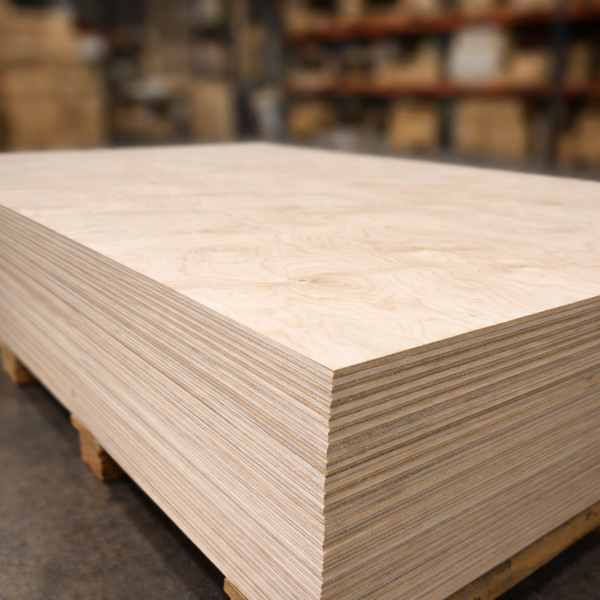
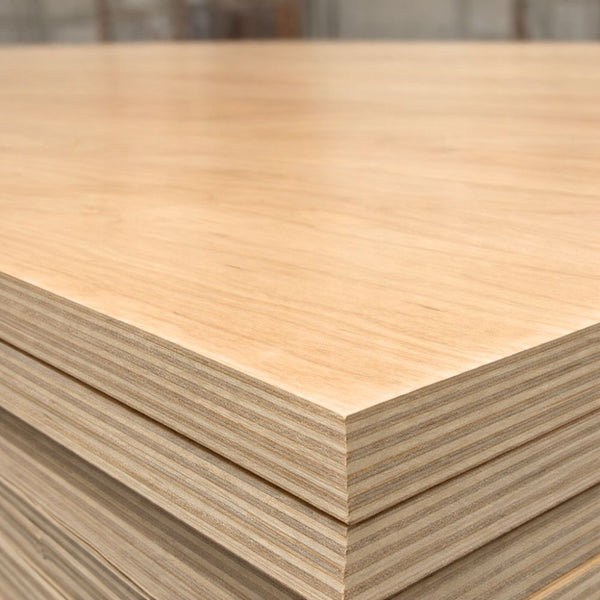
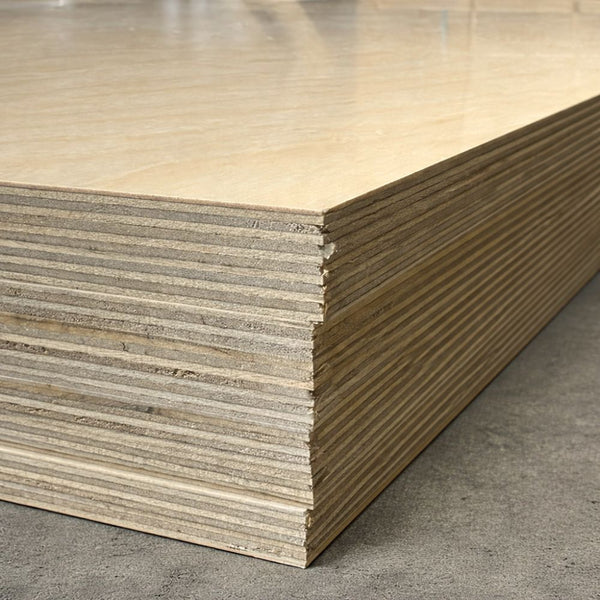
Plywood is made from cross-laminated layers, which reduces expansion and movement. This makes it more stable under changing temperature and moisture compared to solid wood.
How Plywood Performs in Subfloor Applications
Plywood is engineered specifically to handle structural loads while maintaining stability.
- Cross-laminated layers: reduce expansion and contraction
- Even load distribution: supports weight across the sheet
- Consistent thickness: improves installation accuracy
- Better fastening: holds nails and screws reliably
This is why plywood is widely used instead of solid wood boards.
Plywood vs Solid Wood for Subfloors
| Factor | Plywood | Solid Wood |
|---|---|---|
| Stability | High (cross-laminated) | Low (expands/contracts) |
| Warping | Resistant | Common |
| Installation | Flat, uniform sheets | Individual boards |
| Long-term performance | Stable | Movement over time |
Why Solid Wood Fails as a Subfloor
Solid wood reacts to moisture and temperature changes.
- Expands and contracts seasonally
- Creates gaps between boards
- Leads to squeaks and uneven surfaces
- Can warp or cup over time
These issues make it unreliable for modern subfloor systems.
What Thickness of Plywood Is Used for Subfloors
Subfloor thickness depends on joist spacing and load requirements. The RTD plywood grade-stamp guide explains which panel markings to verify before selecting sheathing.
- 5/8" → light-duty applications
- 3/4" → standard residential subfloors
- 1-1/8" → heavy-duty or commercial
Thickness is critical for preventing flex and movement.
Common Buyer Mistakes
- Using thin plywood for subfloors
- Assuming all plywood types perform the same
- Ignoring moisture exposure
- Using interior-grade plywood in structural applications
Comparison With Other Subfloor Materials
OSB (Oriented Strand Board)
Common alternative to plywood. More cost-effective but less moisture-resistant.
Engineered panels
Used in advanced construction but still rely on similar principles as plywood. Compare AdvanTech panels and plywood floor systems when choosing between those subfloor product types.
In many cases, builders still prefer plywood due to its proven reliability.
When Plywood Is the Right Choice
- Structural flooring systems
- Residential construction
- Projects requiring long-term stability
Plywood is used because it performs consistently under real conditions—not just in theory.
FAQ
Is plywood stronger than solid wood?
Not always in raw strength, but it performs better structurally due to stability.
Why is plywood used instead of boards?
Because it stays flat and stable over time.
What is best for subfloor?
Plywood or OSB, depending on the application, but plywood is more moisture-resistant.
Final Thoughts
Plywood is used for subfloors because it solves the main problems that solid wood creates—movement, instability, and inconsistency.
In structural applications, stability matters more than raw strength. That’s why plywood remains the standard choice.