
Poplar Plywood vs Baltic Birch: Which Performs Better in Cabinets and Furniture?
Poplar plywood and Baltic birch are both used in cabinet and furniture construction, but they are built differently and behave differently under load, machining, and finishing. Both materials fall under cabinet-grade plywood categories, but their structural behavior differs significantly.
Choosing between them is not about brand preference. It’s about core construction, stiffness, edge durability, and how the panel will be finished. Used correctly, each performs well. Used interchangeably, problems appear quickly.
Core Construction Differences
Poplar plywood
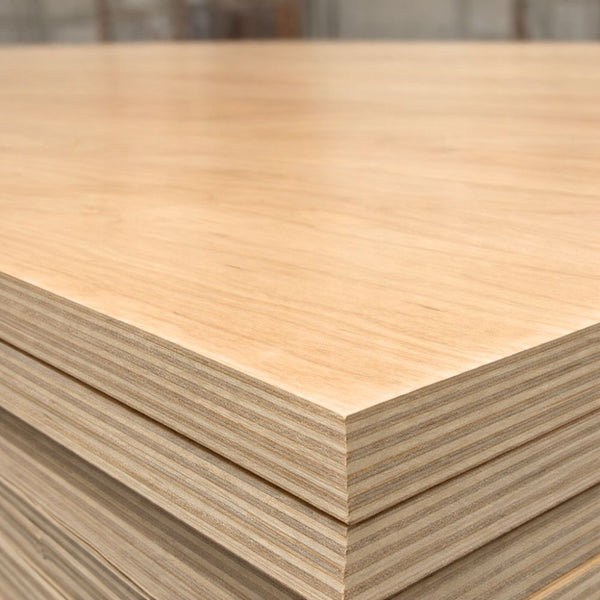
Poplar plywood generally uses a veneer core with fewer plies compared to Baltic birch. The face veneer is smooth and consistent, making it suitable for paint or light stain applications.
However, core gaps and fewer layers can reduce stiffness in longer spans.
Baltic birch plywood
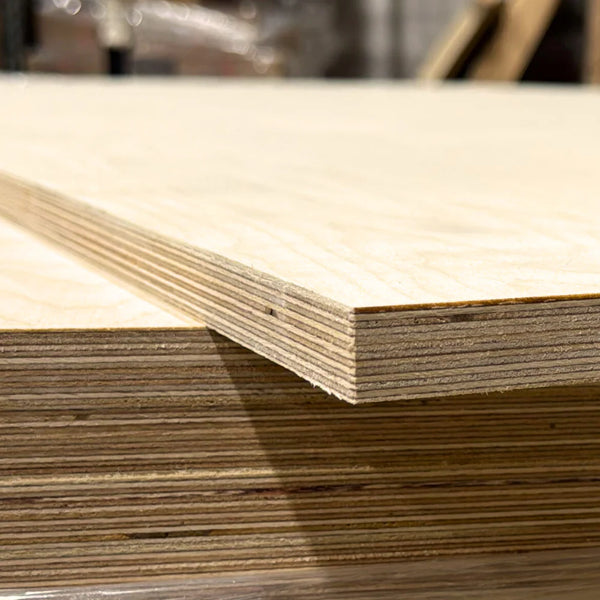
Baltic birch is a true multi-ply panel with many thin, void-free layers. The increased ply count significantly improves edge strength and resistance to deflection.
Baltic birch plywood BB/BB is commonly selected when strength and consistent machining matter more than surface softness.
Strength and Deflection Performance
For shelving, drawer boxes, and structural cabinet components, stiffness matters more than face appearance.
- Baltic birch: Higher resistance to sagging due to multi-ply construction
- Poplar plywood: Adequate for short spans and light loads
Over spans exceeding 32–36 inches, Baltic birch generally performs more predictably.
Poplar Plywood vs Baltic Birch: Side-by-Side Comparison
| Feature | Poplar Plywood | Baltic Birch |
|---|---|---|
| Core | Veneer core | Multi-ply core |
| Stiffness | Moderate | High |
| Edge Quality | May contain voids | Void-free |
| Best For | Paint-grade cabinets | Structural & drawer boxes |
| Cost | Lower | Higher |
Edge Durability and Machining
Baltic birch edges
Void-free edges machine cleanly and hold fasteners well. This makes Baltic birch suitable for exposed-edge designs and drawer box joinery.
Poplar plywood edges
Edges may contain voids depending on grade. These require filling if exposed or banded. Screw holding near edges can be less consistent.
Finishing Considerations
Paint-grade applications
Poplar plywood performs well under paint due to its smooth veneer face. It is often chosen for painted cabinet components where edge exposure is limited.
Clear or natural finishes
Baltic birch offers a consistent, uniform face that accepts clear finishes evenly.
Prefinished options
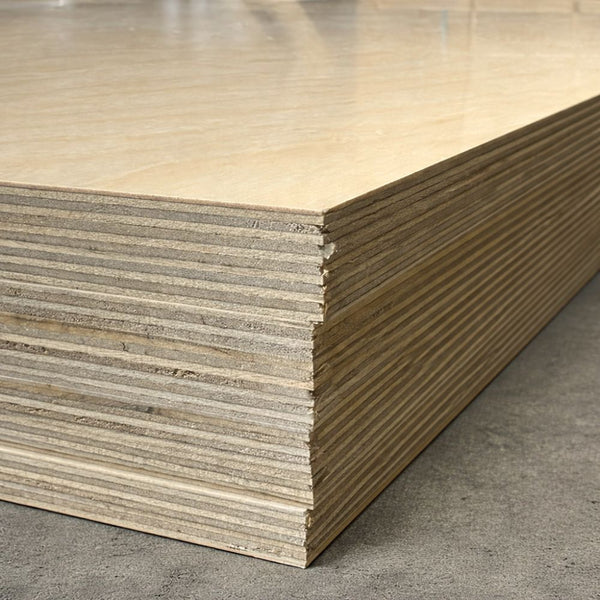
For projects requiring uniform finish and time savings, prefinished panels such as the prefinished plywood bundle provide a ready-to-install alternative.
Weight and Handling
Poplar plywood is generally lighter than Baltic birch. For large projects or wall-mounted cabinetry, weight may influence selection.
Baltic birch’s density contributes to its strength but increases panel weight.
Cost Considerations
Poplar plywood is typically more cost-efficient. Baltic birch commands a higher price due to its multi-ply construction and void-free core.
Material choice should reflect structural demands rather than short-term savings.
When Poplar Plywood Is the Right Choice
- Painted cabinet sides and interior components
- Short-span shelving
- Applications where weight matters
- Budget-conscious builds
When Baltic Birch Is the Better Choice
- Drawer boxes and joinery-heavy components
- Shelves over 32 inches
- Exposed-edge furniture
- High-load cabinet applications
A full range of cabinet-grade panels can be reviewed in the plywood collection.
Common Buyer Mistakes
- Choosing poplar for heavy shelving spans
- Paying for Baltic birch where paint-grade poplar would suffice
- Ignoring edge exposure in modern cabinet designs
- Confusing veneer face quality with structural strength
FAQ
Is Baltic birch stronger than poplar plywood?
Yes. The multi-ply construction increases stiffness and edge durability.
Is poplar plywood good for cabinets?
Yes, for paint-grade cabinet boxes and light-duty shelving.
Which is better for drawer boxes?
Baltic birch performs better due to superior screw holding and edge stability.
Can poplar plywood replace Baltic birch?
Only in low-load, non-structural applications.
Final Thoughts
Poplar plywood and Baltic birch serve different purposes. Poplar offers cost efficiency and smooth paint-grade surfaces. Baltic birch offers structural reliability, cleaner edges, and long-term durability.
The right decision is not about preference. It’s about span, load, finish requirements, and how the panel will perform years after installation.