
Quick answer
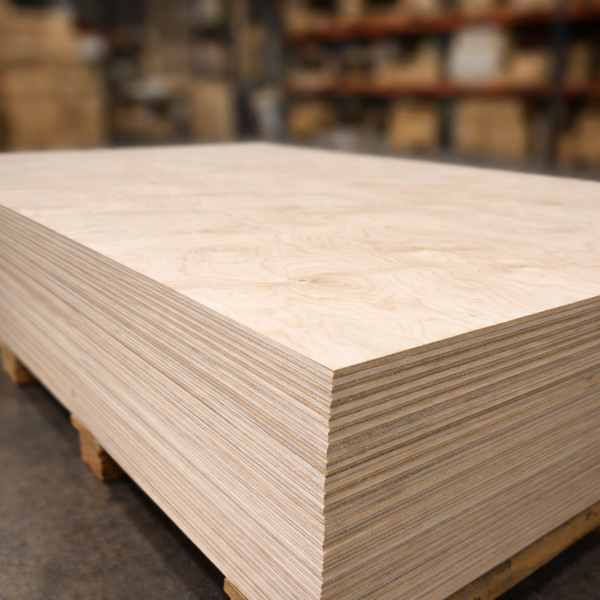
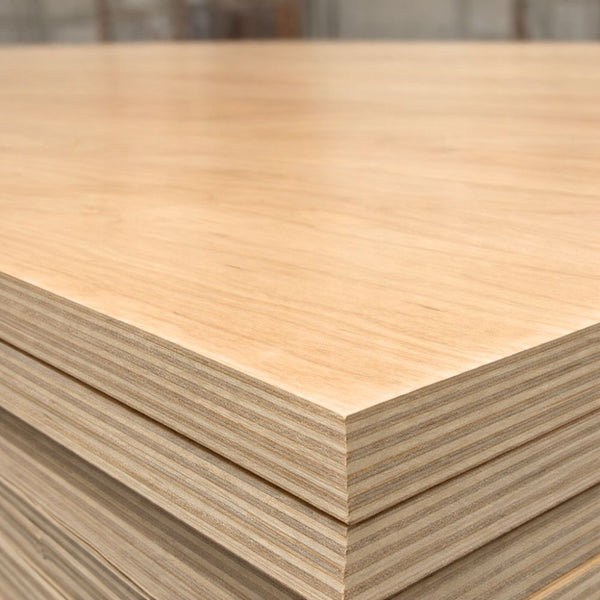
White oak plywood is an oak veneer plywood panel made with a real white oak face over a stable core. It is used for cabinets, furniture, wall panels, built-ins, and interior millwork when the oak grain is part of the finished design.
Buyers may search for the same material as white oak plywood, white oak veneer plywood, white oak veneered plywood, oak faced plywood, or oak veneer plywood. For cabinet work, the important details are the oak species, veneer cut, face grade, core, thickness, and finish plan.
What is white oak plywood?
White oak plywood is defined by its face veneer. The visible face is sliced from white oak, then bonded to a plywood, MDF, combination, or specialty core. The result gives builders the look of white oak with better panel stability than wide solid wood boards. For a contrasting reddish-brown face, compare mahogany plywood species and cabinet uses before approving the veneer sample.
White oak has a strong grain pattern, a neutral-to-warm color, and a dense hardwood feel. In cabinetry, that grain is the point. It works well in modern kitchens, transitional cabinets, custom closets, furniture, office millwork, and architectural interiors.
White oak plywood is not the same as solid white oak lumber. The face is real white oak veneer, but the core is engineered. That construction helps reduce movement across large doors, cabinet sides, shelves, and wall panels.
Shop note: if the panel will be visible, choose by face quality and veneer layout first. If the panel will carry load, choose by core and thickness first.
Oak veneer plywood vs white oak plywood
Oak veneer plywood is the broader term. It means plywood with an oak veneer face, but it does not always tell you whether the face is white oak, red oak, rustic oak, rift cut oak, quarter sawn oak, or another oak look.
White oak plywood is more specific. It means the face veneer is white oak. If your cabinet design calls for the clean, neutral, modern look of white oak, do not order generic oak veneer plywood without confirming the species, cut, face grade, and finish.
| Search term | What it usually means | What to confirm before buying | Cabinet note |
|---|---|---|---|
| Oak veneer plywood | Plywood with an oak face veneer. The oak may be white oak, red oak, or another oak appearance. | Species, veneer cut, face grade, core, thickness, and finish. | Good broad term, but not specific enough for premium cabinet matching. |
| White oak veneer plywood | Oak veneer plywood with a white oak face. | Plain sliced, rift cut, quarter sawn, or rustic face. | Best match for modern white oak cabinets. |
| White oak veneered plywood | Another way to describe plywood faced with white oak veneer. | Whether both faces are white oak or only one face is white oak. | Useful term for millwork and architectural panel searches. |
| White oak plywood veneer | Often used by buyers looking for the veneer face or a white oak plywood panel. | Whether the product is a veneer sheet, edge banding, or plywood panel. | Important distinction: veneer sheets and plywood panels are not the same product. |
| Oak faced plywood | Plywood with an oak face, usually used for furniture, cabinets, and wall panels. | Oak species and face grade. | Can be useful for cabinet faces, but check the exact look before matching doors. |
Best buying rule: use “oak veneer plywood” when researching the category, but use “white oak plywood” or “white oak veneer plywood” when matching a modern white oak cabinet project.
White oak plywood grades for cabinets
White oak plywood grades describe the appearance of the face and back. The exact grading language can vary by mill and supplier, but the buying logic stays the same: use cleaner faces for visible cabinet work and lower-grade backs where the surface will not be seen.
| Grade or face quality | What it usually means | Best cabinet use | Finish note |
|---|---|---|---|
| A face / premium face | Cleanest appearance with controlled color, fewer repairs, and better veneer selection. | Visible cabinet panels | Best choice for clear finish, light stain, and modern white oak interiors. |
| B face / cabinet face | Good appearance with some natural character, minor color variation, or small repairs. | Cabinet sides, built-ins, furniture panels, and exposed shelving. | Works well for medium stains, tinted finishes, and projects with natural variation. |
| C face or shop-grade face | More patches, color variation, mineral streaks, or visible repairs. | Painted parts, shop fixtures, hidden panels, and utility work. | Not ideal for premium clear-finished cabinet faces. |
| Back grade | The reverse side may be lower grade than the front face. | Cabinet interiors, backs, and panels where only one side shows. | Check both sides before cutting bookmatched or exposed panels. |
White oak veneer cuts: plain, rift, and quarter sawn
The veneer cut changes the entire look of the cabinet. Two white oak plywood sheets can be the same grade and thickness but look completely different because the veneer was sliced differently.
| Veneer cut | Grain appearance | Best use | Design note |
|---|---|---|---|
| Plain sliced white oak | Cathedral grain with more movement and natural variation. | Traditional cabinets, furniture, wall panels, and warm interiors. | Less uniform than rift cut, but often more natural and expressive. |
| Rift cut white oak | Straighter, tighter, more vertical grain. | Modern cabinet faces | Popular for slab doors, luxury kitchens, and clean architectural interiors. |
| Quarter sawn white oak | Straight grain with possible ray fleck and more visible character. | Furniture, feature panels, traditional interiors, and statement pieces. | Excellent when the ray fleck is part of the design intent. |
| Rotary cut oak | Wide, broad grain pattern with less architectural control. | Utility panels and budget-sensitive work. | Usually not the first choice for premium visible cabinet faces. |
For a clean, modern cabinet look, rift cut white oak is usually the safest choice. For a warmer, more natural cabinet face, plain sliced white oak can work well.
White oak plywood core types
The face veneer gives white oak plywood its look. The core decides how the panel cuts, holds screws, stays flat, and performs in cabinet construction.
| Core type | Strength | Flatness | Best cabinet use |
|---|---|---|---|
| Veneer core | Good screw holding and traditional plywood strength. | Can vary more than MDF core. | Cabinet boxes, shelves, furniture cases, and structural panels. |
| MDF core | Lower screw holding at edges than veneer core. | Very flat | Doors, panels, wall features, and wide faces that need a smooth surface. |
| Combination core | Balanced strength and screw holding. | Better flatness than many veneer cores. | Cabinet doors, millwork, large panels, and visible end panels. |
| Particleboard core | Lower edge strength than veneer core. | Usually flat and consistent. | Furniture and panels where cost and surface smoothness matter. |
White oak plywood 4x8 sizes and thickness
Most buyers looking for white oak plywood or oak veneer plywood sheets are looking for 4x8 panels. The common cabinet question is thickness. Choose thickness by part, not by habit.
| Thickness | Common use | Good for cabinets? | Shop note |
|---|---|---|---|
| 1/4 white oak plywood | Cabinet backs, inserts, panels, templates, decorative faces. | Only for non-structural parts. | Needs support. Do not use for shelves or cabinet sides. |
| 1/2 white oak plywood | Drawer parts, light panels, backs, small casework parts. | Works when the design supports it. | Can flex on wide spans. Measure before cutting grooves. |
| 5/8 white oak plywood | Light cabinet boxes, panels, small shelves, furniture parts. | Useful, but less common as a premium default. | Check actual thickness before joinery. |
| 3/4 white oak plywood | Cabinet boxes, shelves, built-ins, furniture cases, wall units. | Best default | Best choice for most structural cabinet parts and visible shelving. |
| 18mm oak plywood | Metric cabinet work, closets, frameless cabinets, furniture parts. | Often used like cabinet-grade 3/4 material. | Confirm actual thickness before mixing with imperial hardware or dados. |
Is white oak plywood good for cabinets?
Yes. White oak plywood is a strong choice for cabinets when the wood grain will be visible. It is used for slab doors, end panels, finished interiors, open shelving, furniture-style vanities, wall units, and built-ins.
For cabinet boxes that will not be visible, you may not need white oak on every part. Many shops use white oak plywood for visible faces and ends, then use prefinished plywood, Baltic Birch, maple plywood, or other cabinet-grade materials for the interior structure. If a rustic alternative is part of the design brief, compare alder plywood face grades and natural character using finished samples.
| Cabinet part | White oak plywood fit | Recommended thickness | Reason |
|---|---|---|---|
| Visible cabinet ends | Excellent | 3/4 or skin panel depending on design | The oak face becomes part of the finished room. |
| Slab cabinet doors | Good with the right core | Usually 3/4 | Use a flat core and plan veneer direction carefully. |
| Open shelves | Excellent | 3/4 | Shows the grain and gives a substantial shelf edge. |
| Cabinet interiors | Good, but can be expensive | 1/2 to 3/4 | Use only when the white oak interior is part of the design. |
| Hidden cabinet boxes | Often unnecessary | 3/4 cabinet-grade plywood | Use a practical cabinet material if the oak face will not be seen. |
Does oak veneer plywood stain well?
White oak veneer plywood stains well when the veneer is clean, sanded evenly, and tested first. It is also one of the best hardwood plywood choices for clear and lightly toned finishes because the grain has enough structure to look finished without heavy color. If stronger natural color variation is part of the brief, compare hickory veneer and finishing considerations on finished samples.
The safest approach is to test finish on a cutoff from the same sheet. Oak veneer is thin, so aggressive sanding can cut through the face. Sand carefully and keep stain samples close to the final cabinet lighting.
| Finish type | How it looks on white oak plywood | Best use | Risk to avoid |
|---|---|---|---|
| Clear finish | Shows the natural neutral-to-warm oak tone. | Modern cabinets | Color can shift amber depending on the finish system. |
| Natural oil look | Warmer and richer grain appearance. | Furniture, vanities, shelves, and built-ins. | Test for yellowing before finishing the full project. |
| Light stain | Softens color and keeps the grain visible. | Scandinavian, transitional, and custom kitchen cabinets. | Uneven sanding can show through the finish. |
| Dark stain | Creates contrast and strong grain definition. | Furniture, offices, accent walls, and darker interiors. | Can make color variation more obvious. |
| Paint | Grain texture may remain visible. | Painted oak texture when that look is intentional. | If you want a smooth painted cabinet, maple, MDF, or paint-grade plywood may be better. |
White oak plywood vs red oak plywood
White oak and red oak are both hardwood plywood faces, but they do not give the same cabinet look. White oak is usually chosen for cleaner, more neutral, modern interiors. Red oak tends to show a stronger reddish tone and more open grain.
| Comparison | White oak plywood | Red oak plywood | Cabinet recommendation |
|---|---|---|---|
| Color | Neutral, tan, light brown, sometimes slightly olive or golden. | Warmer, pinker, and more reddish. | Use white oak for modern and luxury cabinet designs. |
| Grain | Tighter and often more refined. | More open and bold. | Use white oak when the grain should look cleaner. |
| Staining | Works well with clear, natural, and muted stains. | Accepts stain but can emphasize red undertones. | Test both if color match is critical. |
| Cabinet style | Modern, Scandinavian, transitional, custom built-ins. | Traditional, rustic, utility, classic oak interiors. | Choose by final design style, not only price. |
White oak plywood vs other cabinet materials
White oak plywood is usually a visible-face material. It is often paired with other cabinet panels to control cost, weight, finishing time, and interior appearance.
| Material | Primary strength | Best application | How it compares with white oak |
|---|---|---|---|
| White oak plywood | Visible grain, premium look, strong hardwood face. | Cabinet faces, end panels, shelves, furniture, wall panels. | Best when the oak appearance is part of the design. |
| Maple plywood | Light color, clean surface, smooth modern appearance. | Cabinet interiors, furniture panels, shelves, closets. | Better when you want a lighter, more uniform look. |
| Cherry plywood | Warm tone and aging character. | Traditional cabinetry, furniture, and millwork. | Warmer and darker than white oak over time. |
| Baltic Birch plywood | Stable multi-ply core and clean machining. | Drawer boxes, shelves, furniture parts, jigs, CNC work. | Better for exposed plywood edges and structural shop work. |
| Prefinished plywood | Ready-to-use finished surface. | Cabinet boxes, closets, shelves, and interiors. | Better when finishing time matters more than oak grain. |
| Cabinet-grade plywood | Broad material choice for shop-built cabinets. | Cabinets, closets, furniture, shelving, and millwork. | Use when you want to compare core, face, thickness, and price. |
How to choose white oak plywood before ordering
White oak plywood is not a material to choose only by price. The visible face, veneer sequence, core type, thickness, and finish all affect the final cabinet.
Choose the visible face first
For cabinet doors, end panels, and open shelves, pick the veneer cut and face grade before deciding on the rest of the panel.
Confirm the oak veneer species
If a product is listed as oak veneer plywood, confirm whether it is white oak, red oak, rustic oak, or a reconstituted oak look before matching cabinet doors.
Match the core to the part
Use veneer core where screw holding and strength matter. Use MDF or combination core where flatness and smooth faces matter more.
Pick thickness by load
Use 3/4 for cabinet sides, shelves, and furniture cases. Use thinner material only for supported backs, inserts, and decorative panels.
Test the finish before cutting everything
Use cutoffs to test clear coat, oil, stain, and sealer. Check the sample under the same lighting as the finished cabinet.
Common mistakes with oak veneer plywood
Most problems come from treating white oak plywood like a basic utility panel. It is a finish material. Layout, sanding, grain direction, and handling matter.
Shop cabinet materials for the right part of the build
Use white oak plywood where the oak face is visible. For cabinet interiors, drawer boxes, shelves, and production work, compare cabinet-grade alternatives that may save time or improve machining.
Cabinet-grade plywood collection
Compare plywood options for cabinets, closets, shelving, furniture, built-ins, and interior millwork.
Browse plywoodPrefinished plywood
Use factory-finished panels for cabinet boxes, shelves, and closets when you want to reduce finishing labor.
Shop prefinishedBaltic Birch plywood
Choose Baltic Birch for drawer boxes, furniture parts, jigs, shelves, CNC work, and clean exposed edges.
Compare Baltic BirchFAQ
Is oak veneer plywood the same as white oak plywood?
Not always. Oak veneer plywood is a broad term for plywood with an oak veneer face. White oak plywood is more specific because the face veneer is white oak. Generic oak veneer plywood may be white oak, red oak, or another oak look.
What is white oak veneer plywood?
White oak veneer plywood is plywood with a real white oak veneer face bonded to a stable core. It is used for cabinet doors, end panels, shelves, furniture, built-ins, and architectural wall panels.
Is white oak plywood good for kitchen cabinets?
Yes. White oak plywood is a strong choice for kitchen cabinet faces, end panels, open shelves, built-ins, and furniture-style cabinetry. Use a cabinet-grade panel and choose the veneer cut carefully.
Does oak veneer plywood stain well?
Yes, but the result depends on species, veneer quality, sanding, and the finish system. White oak veneer plywood usually works well with clear finishes, oils, and light stains. Always test on a cutoff from the same sheet.
What thickness white oak plywood is best for cabinets?
For most cabinet boxes, shelves, furniture cases, and built-ins, 3/4 white oak plywood is the best default. Use thinner panels for backs, inserts, skins, and decorative non-structural parts.
Is white oak plywood better than red oak plywood?
It depends on the look. White oak usually has a more neutral color and a cleaner, more modern grain. Red oak has a warmer reddish tone and more open grain.
Is white oak plywood stronger than maple plywood?
White oak is dense and durable, but plywood strength depends heavily on the core. For cabinet work, compare the core, thickness, face quality, and finish requirements before choosing.
Can white oak plywood be painted?
It can be painted, but the grain texture can remain visible unless it is filled and sanded properly. If you want a smooth painted finish, paint-grade plywood or MDF may be a better choice.
Is white oak plywood suitable for exterior use?
Standard white oak plywood is usually intended for interior use unless it is specifically manufactured and rated for exterior exposure. Outdoor projects require the correct panel, finish, edge sealing, and installation details.
Bottom line
White oak plywood is a premium cabinet and furniture panel when the face will be visible. It gives cabinets a strong hardwood look, a durable surface, and a natural grain pattern that works well in modern, transitional, and architectural interiors.
Oak veneer plywood is the broader search term, and white oak veneer plywood is the more specific cabinet material. If you want a modern white oak cabinet look, confirm the veneer species, veneer cut, face grade, core, thickness, and finish before ordering.
For other parts of the build, compare Berta Store’s cabinet-grade plywood collection, prefinished plywood, and Baltic Birch plywood to match the right panel to the right cabinet part.