
Fire rated plywood is not chosen for appearance. It is specified when a wall, ceiling, or structural assembly must slow flame spread and meet building code requirements. Using the wrong panel can fail inspection, delay a project, or require full replacement.
This guide explains what fire rated plywood actually is, how it’s classified, where it performs well, and where it should not be used. The goal is to help contractors and builders select the correct panel the first time.
What Fire Rated Plywood Actually Is
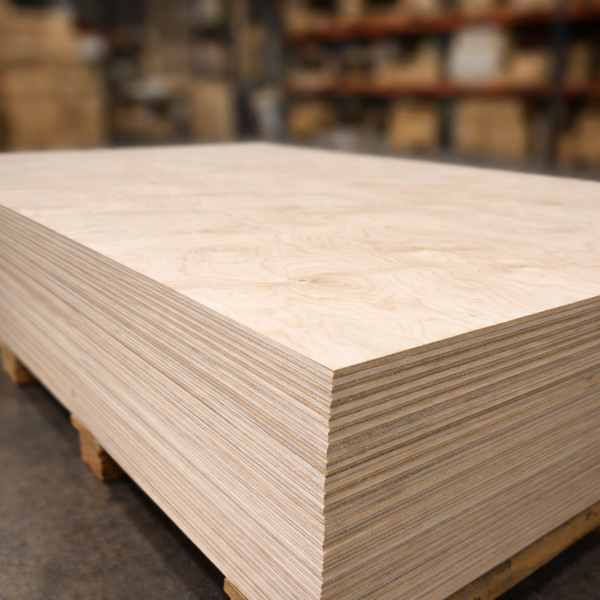
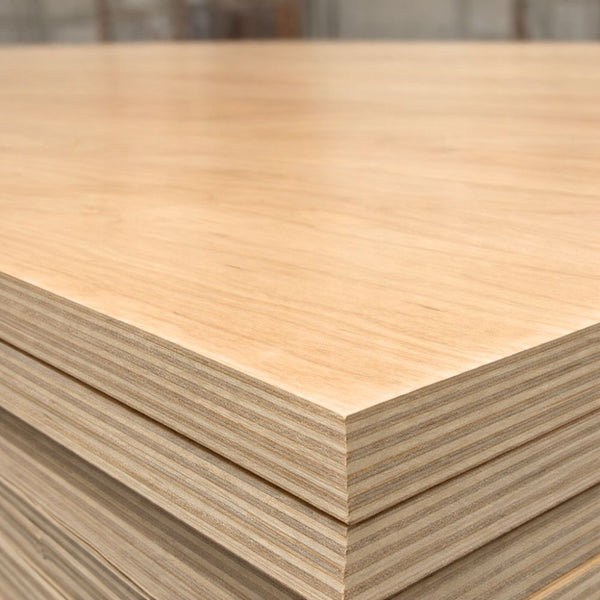
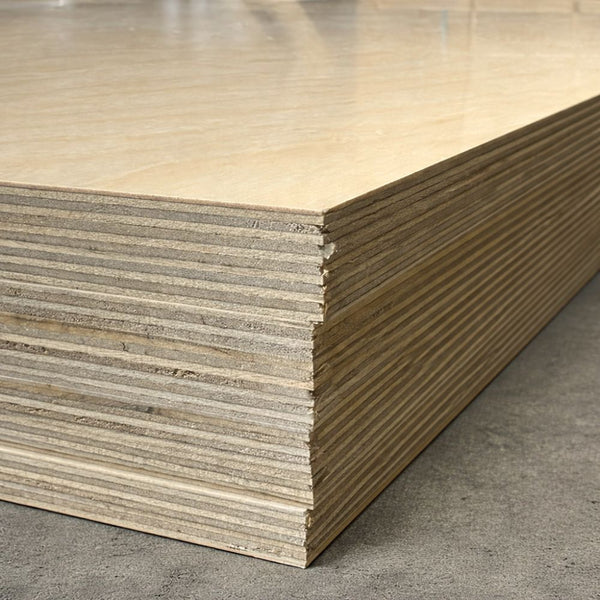
Fire rated plywood (often called FRT plywood – Fire Retardant Treated) is standard plywood that has been chemically treated under pressure. The treatment changes how the wood reacts when exposed to fire.
- It reduces flame spread.
- It lowers smoke development ratings.
- It delays ignition compared to untreated plywood.
It does not stop fire. It slows it enough to meet code-required performance standards.
How Fire Rating Is Classified
Fire performance is measured using standardized tests such as ASTM E84 (Steiner Tunnel Test). Panels are given a flame spread index (FSI). For purchasing documentation and application checks, use the fire-resistant plywood ratings and buying guide.
| Classification | Flame Spread Index | Typical Use |
|---|---|---|
| Class A | 0–25 | Commercial corridors, exits, public buildings |
| Class B | 26–75 | Less restrictive commercial areas |
| Class C | 76–200 | Limited interior applications |
Most fire rated plywood specified for commercial interiors is Class A.
Where Fire Rated Plywood Is Commonly Required
- Commercial wall and ceiling assemblies
- Exit corridors and stairwells
- Roof sheathing in certain multi-family buildings
- Structural assemblies where code demands flame spread control
Always confirm local code requirements before ordering material. Jurisdiction matters.
Where Fire Rated Plywood Should NOT Be Used
- Exterior exposure without proper moisture rating
- Applications requiring decorative finish without sealing
- Projects assuming it provides structural fire resistance alone
Fire rated plywood affects combustion performance, not structural fire endurance unless part of a tested assembly.
How Treatment Affects Performance
The chemical treatment can change some physical properties:
- Slight reduction in strength depending on process
- Potential fastener corrosion if not properly rated
- Moisture sensitivity if improperly stored
This is why correct storage and specification matter. Panels must be kept dry and installed according to manufacturer guidelines.
Comparison: Standard Plywood vs Fire Rated Plywood
| Factor | Standard Plywood | Fire Rated Plywood |
|---|---|---|
| Flame spread | Higher | Reduced (tested classification) |
| Code compliance | Limited in commercial assemblies | Meets required flame spread ratings |
| Cost | Lower | Higher due to treatment |
| Structural strength | Standard rating | May slightly vary based on treatment |
Specification Checklist Before Ordering
- Confirm required fire classification (Class A, B, or C).
- Verify thickness and structural grade.
- Confirm exposure rating (interior vs exterior).
- Check approved fastener compatibility.
- Request documentation for inspection approval.
Documentation matters in commercial work. Inspectors often request compliance certification.
How It Compares to Other Specialized Panels
Fire rated plywood solves flame spread requirements. It does not replace:
- Pressure-treated plywood for moisture or ground contact
- Marine plywood for high humidity durability
- Multi-ply Baltic birch for exposed edge cabinet work
For structural cabinet and millwork projects, see Baltic birch plywood for cabinets. For finished cabinet interiors, 4×8 prefinished cabinet grade plywood is used where surface durability and factory finish matter.
FAQ
Is fire rated plywood fireproof?
No. It slows flame spread but does not make wood non-combustible.
Does fire rated plywood lose strength?
Some treatments may slightly affect structural properties. Always verify span ratings.
Can it be used outdoors?
Only if specifically rated for exterior exposure. Most FRT panels are interior use.
Is it required in residential homes?
Typically not, unless local code or multi-family construction requires it.
Does it need special fasteners?
In many cases, corrosion-resistant fasteners are recommended due to chemical treatment.
Final Thoughts
Fire rated plywood is a compliance-driven material. It should be selected based on building code requirements, verified treatment classification, and correct structural grade. When specified correctly, it helps meet inspection standards and improve building safety. When assumed without verification, it creates project risk. Always match the panel to the code, not just the application.