
Quick answer
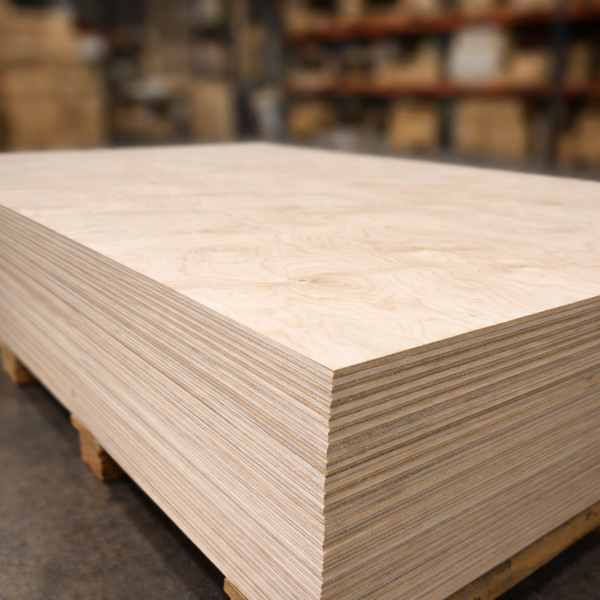
Marine grade plywood is a premium exterior-rated plywood made for wet, high-moisture, and demanding outdoor applications. It uses waterproof structural adhesive and higher-grade veneers with tighter limits on core gaps.
It is not the same as pressure-treated plywood, and it is not magic waterproof wood. Marine plywood still needs sealed edges, proper finish, drainage, and maintenance. For boats, docks, and wet exterior work, marine grade can be worth the cost. For most interior cabinets, closets, furniture, and shop projects, cabinet-grade plywood, Baltic Birch, or prefinished plywood is usually the smarter choice.
What is marine grade plywood?
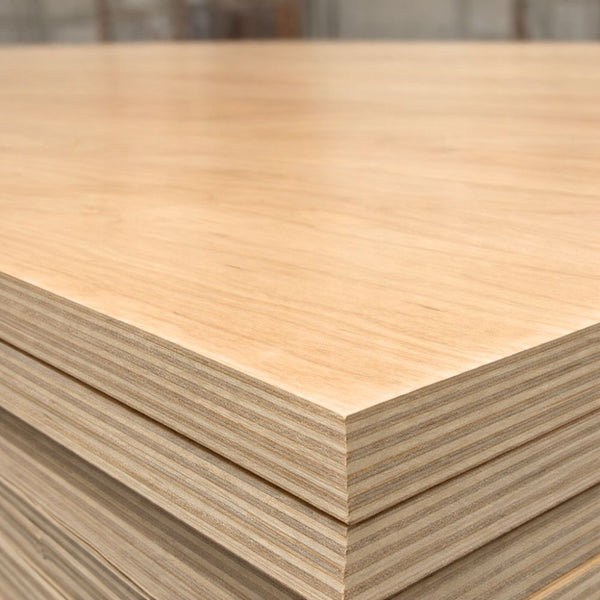
Marine grade plywood is a high-quality exterior plywood built for situations where moisture exposure is expected. The key difference is not just the glue. It is the whole panel: better veneers, tighter core construction, fewer internal gaps, and sanded faces.
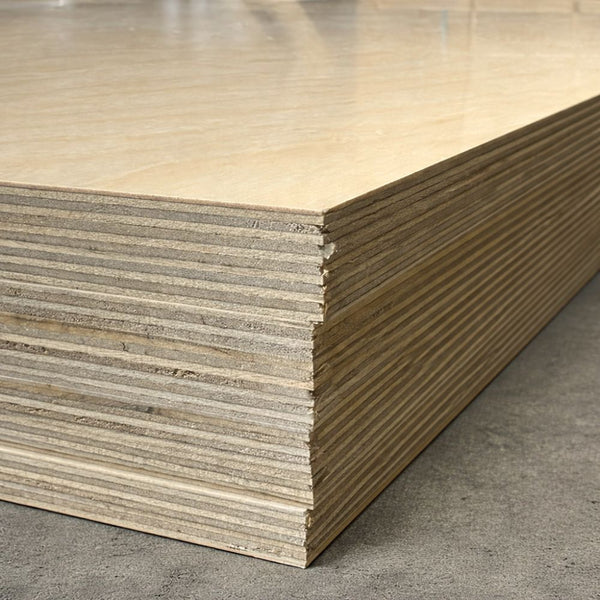
In North American marine-grade plywood, the panel is commonly made with B-grade or better veneers, exterior durability, and waterproof structural adhesive. The core gap allowance is much tighter than ordinary exterior plywood. That matters because hidden core gaps can trap water, create weak spots, and show up later as surface defects, soft spots, or delamination.
The name can be misleading. Marine plywood does not mean the panel can sit outside forever with raw edges. It still needs correct installation and sealing, especially around cut edges, fastener holes, end grain, and any place water can sit.
Simple rule: use marine plywood when moisture exposure and core integrity matter. Use cabinet-grade panels when appearance, flatness, machining, and interior cabinet production matter more.
Marine grade plywood specifications
Exact specifications vary by standard, species, supplier, and country. The table below covers the practical details buyers should check before ordering.
| Feature | Marine grade plywood | Why it matters | Buyer note |
|---|---|---|---|
| Glue bond | Waterproof structural adhesive | Helps the panel resist delamination when exposed to moisture. | Waterproof glue does not make the wood itself waterproof. |
| Core quality | Tighter core gap limits than ordinary exterior plywood | Fewer gaps mean fewer weak spots and fewer water traps inside the panel. | Ask for the actual grade or standard, not just the word “marine.” |
| Face grade | Better veneer faces, usually sanded | Useful when the panel will be painted, coated, fiberglassed, or left visible. | Faces may still have patches depending on the grade. |
| Decay treatment | Not automatically pressure-treated | Marine plywood can still rot if it stays wet without protection. | Use preservative-treated material when decay resistance is required by the job. |
| Common sizes | Often 4x8 sheets, with several thickness options | Good for decks, boat parts, transoms, panels, outdoor furniture, and utility builds. | Availability varies, especially for premium imported panels. |
Marine plywood vs regular plywood
The most important comparison is marine plywood vs exterior plywood. Both can use waterproof adhesive, but marine plywood is held to a higher standard for veneer and core quality. Regular interior plywood is a different category and should not be used where water exposure is likely.
| Panel type | Moisture performance | Core quality | Best use | Cabinet shop note |
|---|---|---|---|---|
| Marine grade plywood | Best wet-area choice | Premium core with tighter gap limits | Boats, docks, outdoor furniture, wet utility panels | Usually overkill for normal indoor cabinets. |
| Exterior plywood | Moisture-rated glue | Can contain larger gaps and lower-grade inner plies | Sheathing, covered outdoor structures, utility work | Not the first choice for visible cabinet interiors. |
| CDX plywood | Built for construction exposure, not fine finish | Rougher faces and more defects | Roof, wall, and subfloor sheathing | Avoid for finished cabinet boxes and shelves. |
| Pressure-treated plywood | Chemically treated for decay resistance | Varies by grade | Ground-contact or decay-risk exterior applications | Not a clean cabinet-panel substitute. |
| Cabinet-grade plywood | Designed for interior cabinet and furniture work | Selected for stable cores, clean faces, and machining | Cabinets, closets, shelving, furniture, millwork | Better choice for most indoor builds. |
Marine grade plywood benefits
Marine plywood is expensive because it solves problems that cheaper panels can create in wet or demanding conditions. The value is in the core and bond quality, not just the label.
Common uses for marine grade plywood
Marine plywood makes sense when water exposure, repeated moisture cycles, or core reliability are part of the job. It is not only for boats, but boatbuilding is where the material earns its name.
| Project | Is marine plywood a good choice? | Reason | Finish advice |
|---|---|---|---|
| Boat parts | Yes | Core quality and waterproof adhesive matter in marine environments. | Seal edges and follow the coating system recommended for the build. |
| Docks and wet utility panels | Often yes | Moisture exposure is expected. | Use the correct exterior coating and fasteners. |
| Outdoor furniture | Good choice when properly finished | Better core quality helps when the piece sees weather. | Seal all faces, edges, holes, and joints. |
| Bathroom vanity cabinet | Sometimes | Useful in wet rooms, but often more than needed for normal cabinetry. | Use good design, ventilation, finish, and water control. |
| Kitchen cabinet boxes | Usually no | Kitchen cabinets need stable, clean, cabinet-grade material more than marine rating. | Use cabinet-grade or prefinished plywood unless the design has unusual moisture exposure. |
| Closets and built-ins | No | Interior projects do not need the cost of marine plywood. | Use prefinished plywood, maple plywood, melamine, or Baltic Birch depending on the look. |
Marine plywood thickness guide
Thickness choice depends on span, load, fastening, coating, and whether the panel is structural. Do not choose thickness from the name alone. Measure the actual panel before cutting joinery or planning hardware.
| Thickness | Common marine or outdoor use | Strength note | Cabinet comparison |
|---|---|---|---|
| 1/4" | Light panels, backs, curved work, templates | Flexible and easy to handle, but not for heavy load. | Similar role to thin cabinet backs and inserts. |
| 3/8" | Small panels, light outdoor work, some boat components | More body than 1/4, still not a heavy shelf panel. | Less common for cabinet boxes. |
| 1/2" | Panels, seats, light partitions, utility surfaces | Useful middle thickness when weight matters. | Can work for drawer parts and some cabinet backs. |
| 5/8" | More rigid panels and heavier utility pieces | More stiffness than 1/2 without the full weight of 3/4. | Sometimes used for lighter cabinet boxes. |
| 3/4" | Decks, floors, structural panels, heavy-duty outdoor furniture | Strongest common choice | Also the common cabinet default for shelves, boxes, and built-ins. |
When marine plywood is worth the cost
Marine plywood is worth buying when a failed panel would be expensive, dangerous, or difficult to replace. It is not worth buying just because it sounds premium.
| Situation | Buy marine grade? | Why | Better alternative if not |
|---|---|---|---|
| Boat repair or boat interior exposed to moisture | Yes | Core quality and moisture resistance matter. | Use the boatbuilder or designer’s specified material. |
| Outdoor project with standing water risk | Often yes | Water can find edges, fastener holes, and hidden gaps. | Exterior or treated plywood may work depending on exposure. |
| Bathroom vanity in a normal home | Maybe | Helpful if leaks or moisture are likely, but not always necessary. | Prefinished plywood or cabinet-grade plywood with sealed edges. |
| Kitchen cabinet boxes | Usually no | Cabinet performance depends more on flatness, face quality, and machining. | Cabinet-grade plywood or prefinished plywood. |
| Drawer boxes, shelves, furniture, closets | No | Marine rating does not add much value indoors. | Baltic Birch, maple plywood, or prefinished panels. |
Marine plywood vs cabinet-grade plywood
Marine plywood and cabinet-grade plywood solve different problems. Marine plywood is built for moisture resistance and core reliability. Cabinet-grade plywood is selected for clean faces, stable cores, flat sheets, consistent sizing, and reliable results when cutting cabinet parts.
If you are building boats or wet outdoor structures, look at marine-grade panels. If you are building cabinets, closets, shelves, furniture, or interior millwork, start with the cabinet-grade plywood collection instead.
| Need | Marine plywood | Cabinet-grade plywood | Better choice |
|---|---|---|---|
| Moisture resistance | Stronger wet-area choice | Depends on panel and finish | Marine plywood |
| Cabinet interiors | Usually raw and expensive | Available in finished cabinet surfaces | Prefinished plywood |
| Drawer boxes and clean edges | Can work, but not the usual choice | Strong options available | Baltic Birch plywood |
| Paint-grade shop work | Good but costly | More practical for interior builds | Cabinet-grade plywood |
| Outdoor boat component | Designed for this situation | Not the correct substitute | Marine plywood |
Buying checklist for marine grade plywood
Before paying marine plywood prices, confirm what you are actually buying. The word “marine” is sometimes used loosely in product descriptions.
Ask for the actual grade or standard
Look for a recognized grade mark, APA marine designation, BS 1088, BS 6566, or another clearly stated standard. Do not rely on the product name alone.
Check the species and core
Douglas-fir, Western Larch, okoume, meranti, and other species behave differently. Match the panel to the job, coating, and weight requirement.
Inspect the faces and edges
Look for flat sheets, clean faces, tight plies, and no obvious damage. Edge gaps tell you a lot about panel quality.
Plan the finish before cutting
Marine plywood needs protected edges, sealed fastener holes, and the correct coating system. Finish planning is part of the material choice.
Better Berta Store options for cabinet and furniture projects
If your project is not a boat, dock, or wet outdoor build, marine plywood may not be the best use of budget. Berta Store focuses on cabinet materials for real shop work: cabinet boxes, closets, shelves, drawers, built-ins, furniture, and millwork.
Cabinet-grade plywood collection
Start here when you need 4x8 panels for cabinets, closets, shelving, furniture, and interior millwork.
Browse plywoodPrefinished plywood
Use prefinished panels for cabinet boxes, closets, shelving, and interiors when you want to reduce sanding and finishing work.
Shop prefinishedBaltic Birch plywood
Good for drawer boxes, furniture parts, shelves, jigs, CNC work, painted pieces, and projects that need clean machining.
Compare Baltic BirchBerta Store
Shop cabinet-grade plywood, Baltic Birch, prefinished panels, MDF, cabinet hardware, and project supplies from one source.
Visit Berta StoreFAQ
Is marine grade plywood waterproof?
No. Marine plywood is water-resistant and uses waterproof adhesive, but the wood itself is not waterproof. It still needs sealed edges, protected fastener holes, proper finish, and maintenance.
What makes marine plywood different from exterior plywood?
Both can use exterior-rated waterproof adhesive, but marine plywood has tighter requirements for veneer quality and core gaps. Exterior plywood can contain lower-grade inner plies and larger gaps.
Can marine plywood rot?
Yes. Marine plywood is not automatically treated against decay. If it stays wet or is left unsealed, it can rot. For decay-risk applications, use the correct preservative-treated material or approved coating system.
Is marine plywood good for cabinets?
It can be used for cabinets, but it is usually not necessary for normal indoor cabinet boxes. Cabinet-grade plywood, prefinished plywood, maple plywood, or Baltic Birch is usually a better match for interior cabinetry.
Is Baltic Birch the same as marine plywood?
No. Baltic Birch is known for a strong multi-ply birch core and clean machining. Marine plywood is defined around wet-use performance, veneer requirements, and exterior durability. Choose Baltic Birch for drawer boxes, furniture, jigs, shelves, and interior cabinet parts.
What thickness marine plywood should I use?
It depends on the project. 1/4 inch is used for light panels and backs. 1/2 inch works for many panels and partitions. 3/4 inch is common for stronger floors, decks, heavy-duty outdoor furniture, and structural pieces.
Bottom line
Marine grade plywood is worth it when moisture exposure is real and panel failure would be costly. It gives you waterproof adhesive, better veneers, tighter core construction, and more reliable performance in wet applications than ordinary construction plywood.
It is not the best answer for every project. It is not automatically rot-proof, it is not pressure-treated, and it still needs careful sealing. For interior cabinets, closets, shelving, drawer boxes, furniture, and millwork, start with cabinet-grade options instead of paying for a marine rating you may not need.
Browse cabinet-grade plywood, compare prefinished plywood, or use Baltic Birch plywood when the project needs clean machining, strong edges, and a stable cabinet-grade core.