
Plywood Sheet Size (4×8, 5×5, Inches & Size Chart)
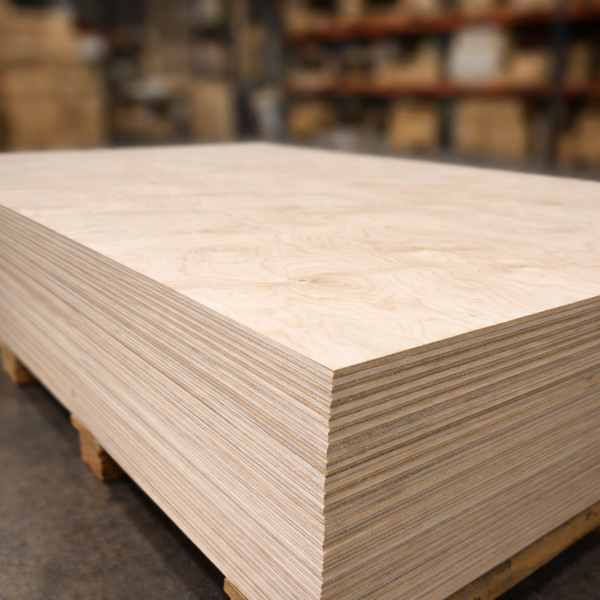
Most plywood sheets are 4×8 feet (48″ × 96″).
Other common plywood sizes:
- 5×5 (Baltic birch)
- 4×9 and 4×10 (oversized panels)
Common thicknesses:
- 1/4″, 1/2″, 3/4″
Plywood sheet size directly affects layout, waste, and installation. While 4×8 is the standard for most cabinet and construction work, other sizes are used to reduce seams and match specific project requirements.
This guide breaks down standard plywood sheet sizes, exact dimensions in inches, and when each size makes sense in real applications.
Standard Plywood Sheet Sizes
| Sheet Size | Dimensions in Inches | Common Use |
|---|---|---|
| 4×8 | 48″ × 96″ | Cabinets, walls, shelving, general use |
| 5×5 | 60″ × 60″ | Baltic birch, drawer boxes, furniture parts |
| 4×9 | 48″ × 108″ | Tall panels and projects needing fewer seams |
| 4×10 | 48″ × 120″ | Large wall panels, built-ins, commercial work |
The majority of plywood used in construction and cabinetry is produced in standardized dimensions for compatibility with framing, cabinets, and transport.
What Size Is a Sheet of Plywood in Inches?
The most common plywood size is 4×8 feet, which equals 48 inches by 96 inches.
This size is widely used because it:
- Matches standard cabinet and wall dimensions
- Minimizes cutting and waste
- Fits most transport and shop equipment
Oversize and Specialty Plywood Sheets
Some plywood is manufactured in larger formats to reduce seams and joints.
5×5 sheets
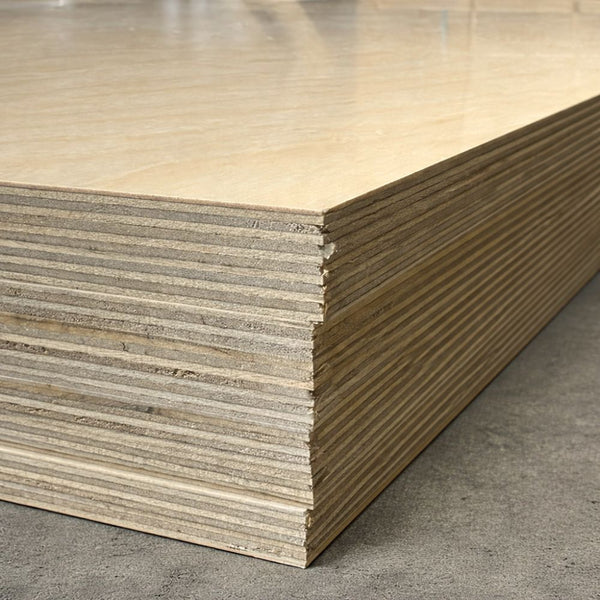
Common in Baltic birch plywood, 5×5 sheets are used where uniform ply construction and balanced panels matter more than sheet length.
They are often selected for:
- Drawer boxes
- Furniture panels
- Smaller cabinet components
4×9, 4×10, and longer sheets
Longer plywood sheets are used to reduce horizontal seams in tall cabinets, wall panels, and built-ins.
They make sense when:
- Panels exceed standard cabinet height
- Seams would be visible or structural
- Handling and transport allow for longer material
Not all grades or species are available in oversize formats.
How Sheet Size Affects Cabinet Construction
Cabinet boxes
Most cabinet carcasses are designed around 4×8 sheets to optimize yield and minimize offcuts. Deviating from this size can increase waste unless the layout is adjusted.
Back panels and tall sides
Full-height panels often benefit from longer sheets to avoid seams, especially in pantry cabinets and built-ins.
Shelving and spans
Sheet size does not increase strength by itself, but larger continuous panels reduce joint-related weakness.
Transport, Handling, and Shop Limitations
Sheet size decisions are not purely theoretical.
- Oversize sheets require larger delivery vehicles
- Handling may require two people or mechanical support
- Some table saws and CNC beds are limited to 4×8
Professionals account for these constraints before specifying non-standard sizes.
Common Buyer Mistakes
- Assuming larger sheets are always better
- Ignoring transport and access constraints
- Designing cabinets without considering yield
- Creating unnecessary seams due to poor planning
Most sheet size problems originate in design, not material quality.
How Professionals Decide on Sheet Size
Experienced builders work backward from the finished assembly.
- Final panel dimensions
- Visible seams vs hidden joints
- Machinery and labor constraints
- Material yield and waste
Only after these factors are considered does sheet size become a clear decision.
Available Plywood Options
Sheet size availability depends on grade, species, and core construction. A full range of cabinet and construction panels can be reviewed in the Berta plywood collection.
FAQ
Is 4×8 plywood always the best choice?
For most cabinet and interior work, yes. Other sizes are situational.
Does larger plywood mean stronger panels?
No. Strength comes from thickness and construction, not sheet size.
Why is Baltic birch often 5×5?
It’s manufactured that way to maintain balanced ply construction.
Can oversized plywood reduce waste?
Yes, when panel layouts are designed around it.
Final Thoughts
Plywood sheet size is a planning decision, not a default. Standard 4×8 sheets solve most cabinet and construction needs efficiently. Oversize and specialty sheets solve specific problems—but only when handling, layout, and yield are considered upfront.
Professionals who choose sheet size deliberately reduce waste, simplify installation, and produce cleaner results.