
Is 3/4 Walnut Plywood Worth It? Quick Answer
3/4 walnut plywood is worth it for visible cabinetry, furniture, built-ins, and high-end millwork where the walnut appearance and finish quality matter. It is usually not necessary for hidden cabinet parts, utility shelving, painted projects, or structural areas where a less expensive cabinet plywood can do the job.
3/4 walnut plywood is one of the more expensive cabinet plywood options on the market, so it naturally raises the question: is it actually worth using over standard hardwood plywood, Baltic birch with walnut veneer, or even solid walnut?
The answer depends on the project. Cabinet makers and furniture builders do not choose walnut plywood only because it looks expensive. They choose it when the appearance, finish quality, and stability justify the cost.
What Is 3/4 Walnut Plywood?
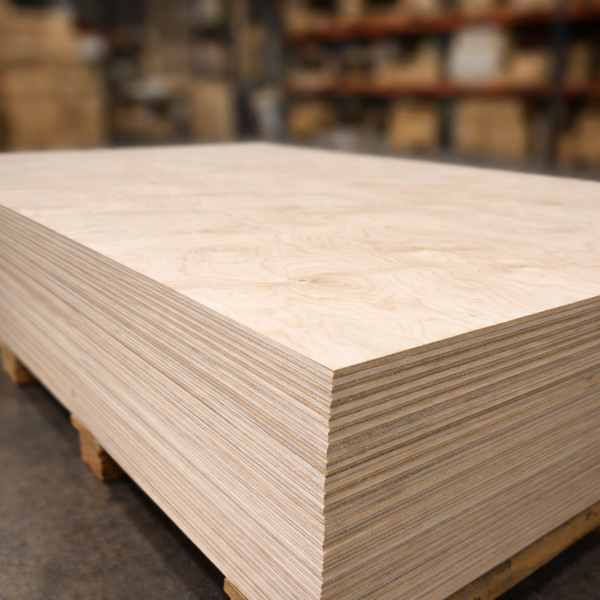
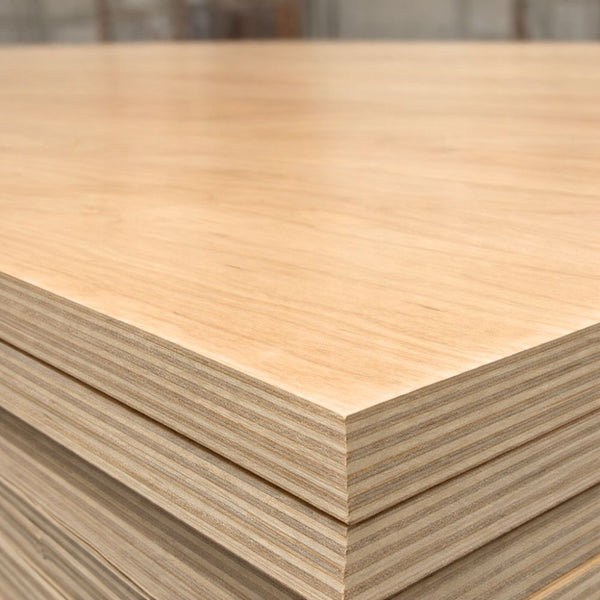
3/4 walnut plywood is a cabinet-grade plywood panel with walnut face veneers over a veneer or engineered core. It is commonly used for high-end cabinets, furniture, and architectural millwork where a walnut finish is required without using solid walnut throughout the build.
Why Builders Choose Walnut Plywood Instead of Solid Walnut
Solid walnut moves with humidity and temperature changes. Large cabinet panels made from solid wood are more prone to expansion, contraction, and warping over time.
Walnut plywood solves this by combining a walnut face veneer with a stable engineered core.
- Better dimensional stability
- Larger sheet sizes for cabinets and furniture
- More consistent appearance across panels
- Lower overall cost compared to solid walnut builds
This is why most modern walnut cabinetry uses plywood construction rather than solid walnut panels.
Where 3/4 Walnut Plywood Performs Best
High-End Cabinetry
Walnut plywood is commonly used for visible cabinet sides, end panels, and slab-style cabinet doors where walnut grain becomes part of the design.
Built-Ins and Wall Units
The larger sheet format makes walnut plywood practical for continuous grain layouts and large installations.
Furniture Panels
Dining cabinets, desks, floating shelves, and media walls often use walnut plywood because it combines a premium appearance with structural stability.
Where Walnut Plywood Is Not Worth It
There are many situations where walnut plywood adds cost without adding enough value.
- Hidden cabinet interiors
- Utility shelving
- Structural cabinet backs
- Areas that will be painted
In these cases, cabinet makers often use standard cabinet plywood internally and reserve walnut plywood only for visible surfaces.
Walnut Plywood vs. Baltic Birch With Walnut Veneer
| Factor | Walnut Plywood | Baltic Birch + Walnut Veneer |
|---|---|---|
| Face Appearance | Natural walnut veneer | Depends on veneer application |
| Edge Quality | Requires edge banding | Cleaner exposed ply edge |
| Core Consistency | Varies by panel | Very consistent multi-ply core |
| Best Use | Visible walnut cabinetry | Exposed-edge furniture and drawer systems |
Core Construction Matters More Than Most Buyers Think
Two walnut plywood sheets can look similar on the surface and behave completely differently during assembly.
Veneer Core
Preferred for many cabinet builds because it machines well and holds screws effectively.
Combination Core
Can provide a smoother surface but may produce weaker edges and lower screw-holding performance.
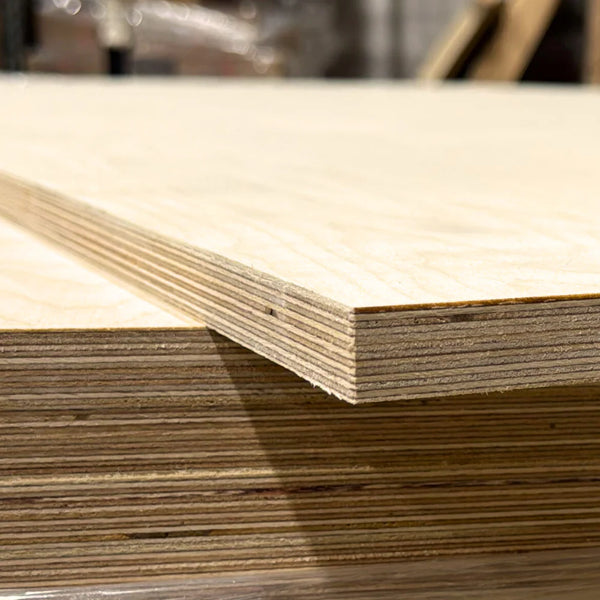
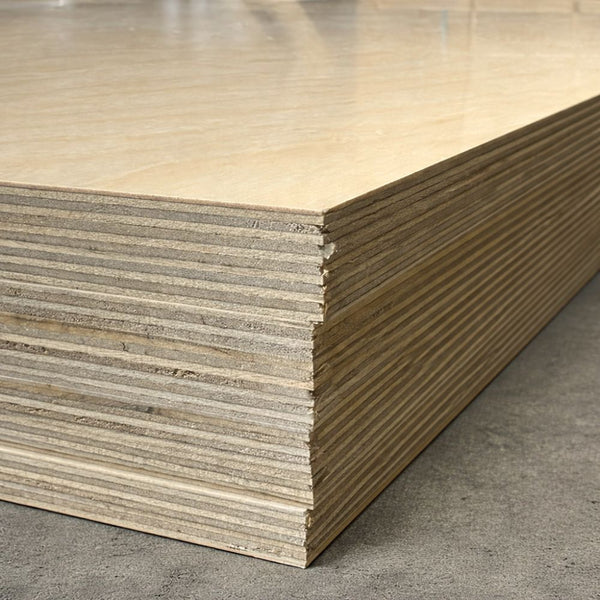
Multi-Ply Construction
Used when edge quality and joinery consistency matter more than a pure walnut edge appearance.
Walnut Plywood Finish Quality
One reason walnut plywood remains popular is finish performance.
- Walnut takes clear coats well
- Natural grain variation creates depth
- Matte finishes work especially well on walnut veneers
Because the face veneer is already decorative, most projects use clear finishes instead of paint.
Common Buyer Mistakes
- Using walnut plywood for hidden cabinet parts
- Expecting exposed edges to look finished without edge treatment
- Choosing low-grade walnut veneer with inconsistent color
- Ignoring core construction and focusing only on veneer appearance
Comparison With Other Cabinet Panels
Prefinished Plywood
Better for cabinet interiors and utility shelving where durability and reduced finishing labor matter more than decorative wood grain.
Baltic Birch Plywood
Preferred for drawer boxes and exposed-edge construction due to its stronger multi-ply core and cleaner edges.
MDF Panels
Used for painted finishes and routed details, but they do not provide the natural appearance of walnut veneer.
When 3/4 Walnut Plywood Is Actually Worth It
- Visible cabinet exteriors
- Furniture-grade wall units
- Luxury built-ins
- Projects where walnut grain is part of the design
In these applications, the finish quality and appearance justify the cost.
3/4 Walnut Plywood FAQ
Is walnut plywood stronger than regular plywood?
Not necessarily. Strength depends more on core construction than veneer species.
Does walnut plywood need edge banding?
Usually yes, unless the exposed edge design intentionally shows the plywood layers.
Is walnut plywood real walnut?
Yes. It uses real walnut veneer over an engineered plywood core.
Why do cabinet makers use walnut plywood instead of solid walnut?
Because it provides better stability, larger panel sizes, and lower overall cost while still delivering a walnut appearance.
Final Thoughts
3/4 walnut plywood is worth it when the walnut finish itself is part of the project value. It delivers the appearance of walnut with the stability and practicality of engineered panels.
For hidden structural parts, there are usually better and more cost-effective choices. But for visible cabinetry and furniture, walnut plywood remains one of the most practical ways to achieve a high-end wood finish without the limitations of solid walnut.
Explore cabinet-grade plywood, Baltic birch, prefinished plywood, and MDF panels at BertaStore.com.