
Matte & High Gloss MDF Panels
Shop premium 4×8 cabinet-grade acrylic MDF panels in high-gloss and matte finishes. Modern MDF boards for kitchen cabinets, closets, wall panels, and furniture — available in white, black, cashmere, gray, dark blue, and more.

-
 files/White_Matte_Acrylic_MDF.jpg
-
 files/Black_Matte_Acrylic_MDF.jpg
-
 files/Dark_Gray_Acrylic_MDF.jpg
-
 files/Light_Gray_Matte_Acrylic_MDF.jpg
-
 files/Cashmere_Matte_Acrylic_MDF.jpg
-
 files/Dark_Blue_Matte_Acrylic_MDF.jpg
-
 files/Cashmere_Matte_Acrylic_MDF_Berta_Store.jpg
-
 files/White_Gloss_Acrylic_MDF_Berta_Store_Acrylic_MDF_Berta_Store.jpg
-
 files/Black_Gloss_Acrylic_MDF.jpg
-
 files/Dark_Gray_Gloss_Acrylic_MDF.jpg
-
 files/Light_Gray_Gloss_Acrylic_MDF_Berta_Store.jpg
-
 files/Dark_Blue_Gloss_Acrylic_MDF_Berta_Store.jpg
-
 files/Cashmere_Gloss_Acrylic_MDF_Berta_Store.jpg
-
 files/Olive_Green_MDF_Berta_Store.jpg
-
 files/Olive_Green_MDF_Berta.jpg
-
 files/4x8-Premium-Acrylic-MDF-Panels-Cabinet-Grade-Boards-Berta-Store-37723409547512.png
-
 files/4x8-Premium-Acrylic-MDF-Panels-Cabinet-Grade-Boards-Berta-Store-37723409252600.png


Premium Acrylic MDF 4x8 Panels
- Regular price
- $124.99
- Regular price
- $124.99


Shop Prefinished Cabinet-Grade Plywood
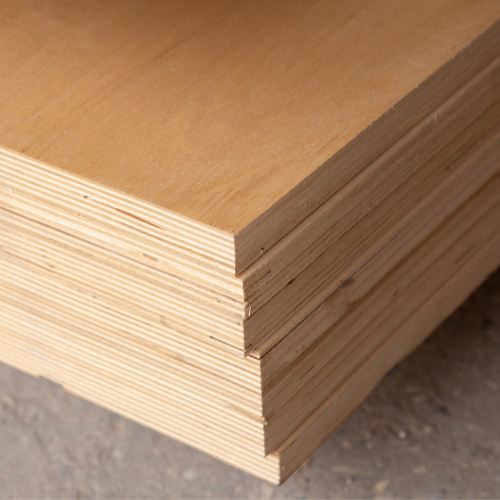
Prefinished Cabinet Plywood
UV-coated birch or white melamine 4x8 panels for cabinets, closets, and built-ins.

Prefinished Maple Plywood
Cabinet-grade maple panels for shelves, built-ins, closets, and furniture work.

Wood-Tone Melamine Plywood
Wood-grain melamine panels for cabinets, closets, shelves, and wall projects.
Shop Baltic Birch Plywood for Cabinets & Furniture Projects


Acrylic MDF Panels for Clean Cabinet Doors, Closets & Built-Ins
Acrylic MDF is made for projects where the finished face matters. It gives cabinet makers, remodelers, and shop owners a smooth decorative surface on a stable MDF panel, without sending every door or panel to paint. Use it for visible cabinet fronts, closet doors, vanity panels, office built-ins, display fixtures, and clean modern furniture.
This is not a clear acrylic sheet or raw MDF board. The acrylic name refers to the finished decorative face on the MDF panel. That difference matters when comparing white MDF board, high gloss MDF, matte MDF, melamine plywood, and painted MDF for cabinet work.
White, Black, Cashmere, Gray, Blue & Olive Green Acrylic MDF
Color is usually the first decision on a finished cabinet panel. White acrylic MDF keeps kitchens, laundry rooms, closets, and built-ins bright and simple. Black acrylic MDF gives islands, vanities, wall panels, and retail displays a stronger modern look. Cashmere and gray tones work well when the job needs a softer designer finish without looking plain.
White Acrylic MDF
Best for bright cabinet doors, closet systems, shelves, laundry rooms, and clean modern interiors.
Black Acrylic MDF
Use for accent panels, vanities, retail fixtures, feature walls, and modern furniture fronts.
Cashmere Acrylic MDF
A warm neutral choice for closets, kitchens, office cabinetry, and soft contemporary designs.
Light Gray Acrylic MDF
Works well for cabinet fronts, storage walls, and built-ins where white feels too bright.
Dark Gray Acrylic MDF
A practical color for commercial interiors, vanities, mudrooms, and modern storage projects.
Dark Blue & Olive Green
Good for custom cabinet doors, design accents, boutique retail fixtures, and feature panels.
High Gloss vs Matte Acrylic MDF
For a bright, reflective cabinet face
High gloss acrylic MDF is the right choice when the panel is part of the design. It reflects light, sharpens the look of cabinet doors, and works especially well on flat slab doors, vanity fronts, display panels, and contemporary wall features.
- Strong choice for white gloss MDF searches
- Best on visible doors, drawer fronts, and display panels
- Pairs well with gloss edge banding for a clean finished edge
For a softer, low-reflection surface
Matte acrylic MDF gives the same finished-panel concept with less shine. It is often easier to place in closets, built-ins, office millwork, and kitchens where the design needs a calm, modern surface instead of a mirror-like look.
- Good for black, cashmere, gray, and darker cabinet colors
- Works well in closets, offices, mudrooms, and storage walls
- Use matte edge banding when the finished edge should disappear
Acrylic MDF vs White Melamine Prefinished Plywood
Acrylic MDF and white melamine prefinished plywood are both finished sheet goods, but they are not the same product. Acrylic MDF is usually chosen for the outside face of a project — doors, fronts, and visible panels. White melamine prefinished plywood is often chosen for cabinet boxes, shelving, interiors, and parts where a durable white surface over a plywood core is the priority.
| Material | Surface | Core | Best Use |
|---|---|---|---|
| Acrylic MDF | Acrylic decorative face with high gloss or matte finish | MDF core | Cabinet doors, drawer fronts, closet doors, vanities, wall panels, and furniture fronts |
| White Melamine Prefinished Plywood | White melamine laminate surface | Plywood core | Cabinet boxes, shelves, closet interiors, storage units, and built-ins |
| Painted MDF | Primer and paint applied after cutting or machining | MDF core | Custom painted doors when exact paint color matching is required |
| Standard Laminate / Melamine Panels | Decorative resin paper or laminate surface | Plywood, MDF, or particleboard depending on the panel | Cabinet interiors, closets, shelving, commercial casework, and budget-sensitive projects |
Choose Acrylic MDF when:
The face will be seen every day. It is the better fit for slab cabinet doors, drawer fronts, modern closets, vanities, and furniture where the color and finish are part of the design.
Choose White Melamine Prefinished Plywood when:
The job needs cabinet boxes, shelving, or interior panels with a clean white surface and a plywood core. It is a practical match for storage systems and cabinet construction.
Edge Banding for Acrylic MDF Panels
A finished face still needs a finished edge. After cutting acrylic MDF panels for doors, shelves, side panels, or closet parts, every exposed edge should be planned before installation. Matching edge banding gives the panel a clean cabinet-shop look and helps protect the edge from daily wear.
Match finish to finish
Use gloss edge banding with gloss acrylic MDF and matte edge banding with matte acrylic MDF. This keeps the front face and edge from looking mismatched after trimming.
Match color to the panel
White, black, gray, cashmere, and dark colors look best when the banding is selected before the cutting list is finalized. This avoids exposed MDF edges on visible cabinet parts.
Use machine banding for production
For cabinet shops and millwork runs, no-glue plastic edge banding allows the machine to apply adhesive during processing for a cleaner, more controlled bond.
Run a small test piece before full production. Confirm color, gloss level, trimming quality, and corner cleanup before cutting the full order.
How to Care for Acrylic MDF Cabinet Panels
Acrylic MDF is simple to maintain when it is treated like a finished cabinet surface. Most daily cleaning should be done with a soft cloth and light pressure. For fingerprints or job-site dust, use a damp microfiber cloth first, then dry the surface with a clean towel.
Do
- Wipe with a soft microfiber cloth
- Use mild soap and water for normal cleaning
- Dry the surface after cleaning to avoid streaks
- Protect panels during cutting, transport, and installation
- Store sheets flat and keep finished faces away from rough surfaces
Avoid
- Abrasive pads, steel wool, or rough shop towels
- Harsh solvents, acetone, or aggressive cleaners
- Dragging hardware or tools across the finished face
- Installing exposed MDF edges without banding
- Stacking finished faces directly against debris or screw heads
Complete Your Acrylic MDF Panels with Matching Edge Banding
Finish your acrylic MDF panels with high-quality PVC edge banding made for clean, professional cabinet edges. Match your panel color and finish for doors, shelves, closets, vanities, built-ins, and custom millwork projects.

Questions About 4x8 Acrylic MDF Panels
Straight answers for cabinet shops, contractors, designers, and homeowners comparing acrylic MDF, melamine panels, painted MDF, and prefinished plywood for cabinet doors, closets, wall panels, and built-in projects.
What is acrylic MDF?
Acrylic MDF is a finished panel made with an acrylic decorative face on an MDF core. It is used when the front surface needs to look clean right away, without spraying, painting, or adding a separate finish after cutting. It is not a clear plexiglass sheet and it is not MDF painted with acrylic paint.
What is the difference between high gloss and matte acrylic MDF?
High gloss acrylic MDF has a bright, reflective face that works well on modern cabinet doors, vanity fronts, retail displays, and feature panels. Matte acrylic MDF has a softer, low-shine look that fits closets, built-ins, office millwork, darker colors, and projects where glare should be reduced.
Acrylic MDF vs melamine — which is better for cabinet doors?
For visible cabinet doors and drawer fronts, acrylic MDF is usually the cleaner choice because the face is made for a premium finished look. Melamine is a resin paper surface pressed onto a core, often used on plywood, MDF, or particleboard panels. White melamine prefinished plywood is practical for cabinet boxes, shelves, and interiors, while acrylic MDF is better suited for the outside surfaces customers see first.
Compare Prefinished Plywood 4x8Acrylic MDF vs painted MDF — what are the advantages?
Acrylic MDF saves time because the finished face is already on the panel. Painted MDF requires sanding, priming, spraying, drying time, and more handling before installation. Painted MDF can still be useful when a job needs an exact custom paint color, but acrylic MDF is a faster route for modern gloss or matte cabinet fronts.
Is acrylic MDF good for kitchen cabinet doors and closets?
Yes. Acrylic MDF is a strong fit for slab cabinet doors, drawer fronts, closet doors, vanities, storage walls, office built-ins, and furniture panels. For best results, plan the cut list with exposed edges in mind and finish those edges with matching banding after machining.
What colors and finishes are available?
Popular options include white, black, cashmere, light gray, dark gray, dark blue, and olive green. Some projects look better in high gloss, especially white and lighter colors. Darker shades, cashmere, and gray tones often work well in matte for a softer cabinet-shop finish.
What size acrylic MDF sheets do you sell?
The standard sheet size is 4x8, also written as 48 inches by 96 inches. This size is common for cabinet shops, closet companies, millwork projects, and furniture builders because it works well with panel saws, CNC cutting, and full-height cabinet parts.
How do I clean and care for acrylic MDF panels?
Use a soft microfiber cloth for daily cleaning. For fingerprints or shop dust, use mild soap with water, then dry the surface with a clean towel. Avoid abrasive pads, harsh solvents, acetone, and dragging tools or hardware across the finished face.
Can I edge band acrylic MDF panels?
Yes. After cutting acrylic MDF, exposed MDF edges should be finished with matching edge banding. Match the color first, then match the finish level — gloss with gloss, matte with matte. Cabinet shops using edge banding machines can use no-glue plastic edge banding and let the machine apply adhesive during production.
View No-Glue Edge BandingWhat is cashmere acrylic MDF and where is it used?
Cashmere acrylic MDF is a warm neutral panel color used when white feels too bright and gray feels too cold. It works well for closets, kitchens, laundry rooms, office cabinetry, vanities, and built-ins where the design needs a soft modern tone.
Estimate How Many Plywood and MDF Sheets Your Project Needs
Planning a cabinet or shelving project? Use our plywood and MDF sheet calculator to quickly estimate how many 4×8 sheets you need.
Plywood & MDF Sheet Calculator
Plywood, MDF & Cabinet Calculators
Professional project calculators for plywood, MDF, cabinets, hinges, and delivery planning.
Open Calculators