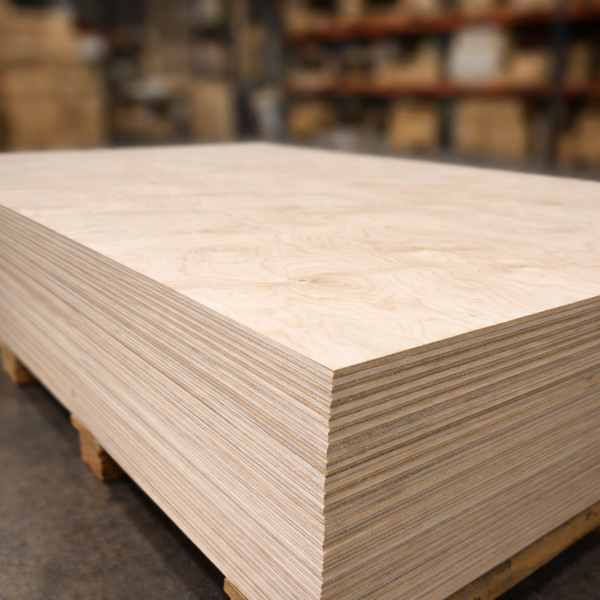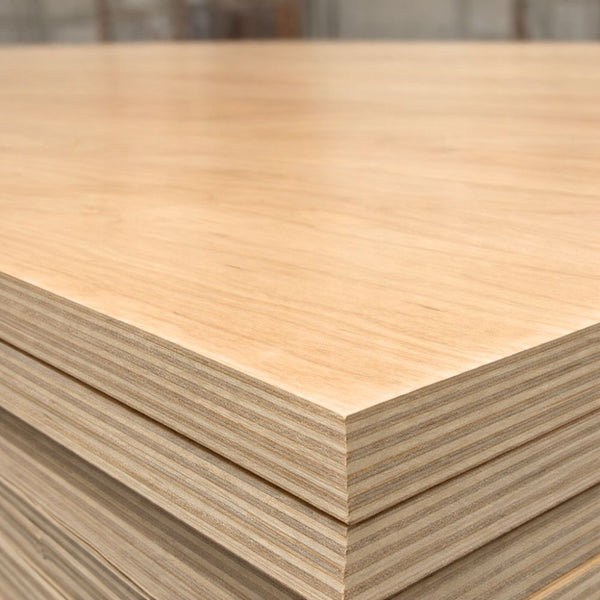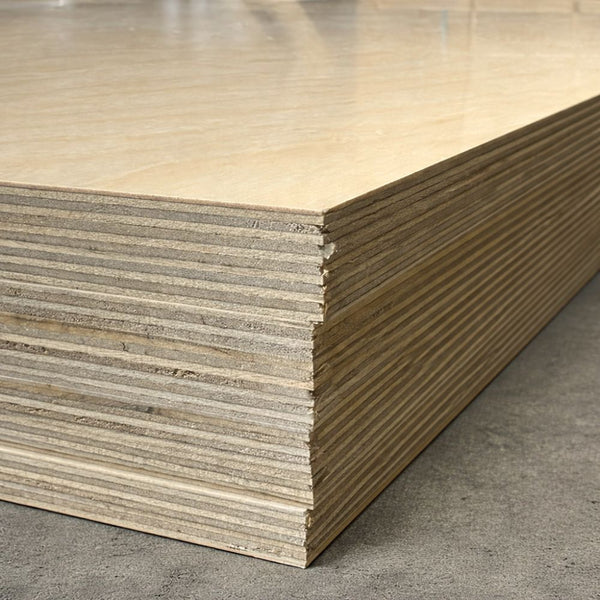

Sapele plywood is chosen for projects where appearance matters as much as performance. Cabinet makers, millwork shops, and high-end builders use it when they want a rich wood look with the stability of plywood rather than solid lumber.
While it is often compared to mahogany, sapele has its own characteristics that affect how it machines, finishes, and performs over time. Understanding these differences helps avoid costly mistakes and ensures the material fits the application.
Sapele plywood is a hardwood plywood made with sapele veneer faces and a stable plywood core. It offers a deep reddish-brown appearance, good durability, and consistent panels for cabinetry, furniture, and architectural millwork.
What Is Sapele Plywood?
Sapele plywood is a hardwood plywood product that uses sapele wood veneer on the face and back, bonded to a multi-ply core. Sapele is an African hardwood species known for its uniform grain, reddish-brown tone, and strength.
Unlike solid sapele lumber, plywood panels provide better dimensional stability. This makes them more suitable for large cabinet panels, doors, wall panels, and furniture components where movement must be controlled.
Sapele is often grouped with mahogany-type woods, but it is technically a separate species. It offers a similar appearance with slightly higher density and hardness, which affects cutting and finishing.
How Sapele Plywood Is Made
The performance of sapele plywood depends heavily on how the panel is constructed, not just the face veneer.
Face and Back Veneers
Thin slices of sapele are rotary-cut or sliced to produce consistent veneer sheets. These veneers define the color, grain pattern, and final appearance of the panel. Grain is typically straight to slightly interlocked, producing a refined, uniform look.
Core Construction
Sapele plywood is commonly available with veneer core, combination core, or MDF core depending on the manufacturer. Veneer core panels offer better screw-holding, while MDF core panels provide the flattest surface for finishing.
Adhesives and Pressing
Panels are bonded using industrial-grade adhesives under heat and pressure. For interior applications, standard interior-grade adhesives are common. Exterior-rated versions may use moisture-resistant glues.
Types of Sapele Plywood
| Type | Core | Typical Use |
|---|---|---|
| Sapele Veneer Core | All-wood plies | Cabinet boxes, furniture |
| Sapele MDF Core | MDF center | Flat panels, doors |
| Sapele Combo Core | MDF + veneer layers | Architectural millwork |
Benefits of Sapele Plywood
Sapele plywood is selected primarily for visual quality, but it also offers solid performance characteristics.
- Rich, consistent reddish-brown appearance
- Better stability than solid sapele lumber
- Good strength-to-weight ratio
- Accepts stains and clear finishes well
- Suitable for precision cabinetry and furniture
For shops producing repeatable, high-end work, sapele plywood offers predictable results from sheet to sheet.
Common Uses of Sapele Plywood
Sapele plywood is not a utility panel. It is chosen intentionally for visible, finished applications.
- Custom cabinetry and casework
- Furniture panels and components
- Architectural wall paneling
- Interior doors and drawer fronts
- Commercial millwork installations
Because of its appearance, it is often paired with high-quality hardware and concealed fasteners to maintain a clean finish.
Important Considerations Before Choosing Sapele Plywood
Grain Matching and Color Variation
While sapele is more uniform than many hardwoods, natural variation still exists. Projects requiring consistent appearance should be planned with sequencing and grain matching in mind. The cherry plywood appearance and aging guide is useful when a finer-grained alternative is being considered.
Machining and Tooling
Sapele is harder than many domestic hardwoods. Sharp tooling is essential to avoid tear-out, especially on interlocked grain sections.
Finishing Behavior
Sapele takes stain well, but blotching can occur if not properly sealed. Clear finishes are commonly used to highlight natural color and grain. Compare a beech-veneered panel and its finishing requirements if a lighter cabinet face is part of the design brief.
Interior Use Only
Most sapele plywood is designed for interior use. It is not suitable for exterior exposure unless specifically manufactured with exterior-rated adhesives and finishes.
Sapele Plywood vs Other Berta Store Materials
Choosing sapele plywood over other materials depends on appearance, strength, and budget. For a darker decorative-face alternative, compare when 3/4 walnut plywood justifies its cost against the project’s appearance priorities.
| Material | Primary Strength | Best Application |
|---|---|---|
| Sapele Plywood | Appearance and durability | High-end cabinetry and millwork |
| Baltic Birch Plywood | Strength and uniform core | Cabinet boxes and structural parts |
| Prefinished Plywood | Time-saving finish | Cabinet interiors and shelving |
When combined with quality hinges and drawer slides, sapele plywood supports refined, long-lasting cabinetry systems.
FAQ
Is sapele plywood the same as mahogany plywood?
No. Sapele is a different species with slightly higher density and hardness.
Can sapele plywood be stained?
Yes. It accepts stain well when properly sealed.
Is sapele plywood good for cabinets?
Yes, especially for visible panels and doors.
Is it suitable for exterior use?
No, unless specifically rated and protected for exterior conditions.
Does it hold screws well?
Yes, particularly veneer core versions.
Final Thoughts
Sapele plywood fills a specific role in woodworking and construction. It is not a structural workhorse, and it is not a budget panel. Its value lies in appearance, consistency, and reliable performance for finished interior applications.
When selected intentionally and used where its strengths matter, sapele plywood delivers a refined, professional result that solid lumber or lower-grade panels often cannot match.