
Berta Store · Wood treatment explained
What does pressure treated wood mean?
Pressure treated wood has been treated with a preservative system using pressure to help introduce the preservative into the wood. The treatment is selected for specified biological hazards and service conditions, such as decay or insect exposure.
It is not simply wood that has been painted or sealed. The preservative, species, treatment requirements and intended use all matter. Do not assume every treated board contains the same chemical, receives the same treatment or is suitable for every outdoor application.
Treatment, exterior glue and surface finish are different
| Description | Main purpose | Not a substitute for |
|---|---|---|
| Preservative pressure treatment | Protection against the hazards covered by the specified treatment. | Structural grading, waterproofing or a finish chosen for the service conditions. |
| Exterior plywood bond | A panel bond/exposure classification. | Preservative treatment for decay or ground contact. |
| Paint, stain or sealer | A surface treatment with its own appearance and protection requirements. | Changing an unsuitable base panel’s original classification. |
| Fire-retardant treatment | A separately specified fire-performance treatment system. | Ordinary preservative treatment or proof of suitability for all exposures. |
The EPA’s overview of wood preservative chemicals explains the different preservative systems. The marine-grade plywood guide addresses a separate panel specification; marine plywood is not automatically pressure-treated.
Read the use category before choosing lumber
AWPA’s Use Category System matches treatment requirements to service conditions. Select the required category for the actual exposure, then confirm the product, preservative and treatment specification. A board being physically above the soil does not always mean a basic above-ground classification is sufficient.
| Category | General service condition | Selection caution |
|---|---|---|
| UC1 | Interior dry. | The classification does not approve every preservative for every indoor item. |
| UC2 | Interior damp. | Confirm the specified product and application. |
| UC3B | Exterior above ground, uncoated or with poor water runoff. | Do not assume it covers ground-contact-equivalent hazards. |
| UC4A | Ground contact, general use. | More severe or critical applications may require a higher category. |
| UC5 categories | Marine service in salt or brackish water. | Specialized treatment; not a generic deck-board substitution. |
Primary references: AWPA Use Category System and treatment-tag information for specifiers. Keep the tag or specification with the purchase record so the treatment can be identified later.
Where pressure-treated wood is used
Deck components, fence elements and other exposed construction can require preservative-treated wood, but the correct specification changes with location, moisture, maintenance access and structural importance. Posts in soil, a well-drained above-ground component and a marine member are not interchangeable exposure cases.
Treatment is only one part of the design. Member size, structural grade, connectors, footing or framing details and the intended load still need to meet the project’s requirements. Use an appropriate professional design where the assembly’s safety depends on those choices. Preservative treatment is a separate specification from fire-retardant-treated plywood and flame-spread classification.
Do not infer a panel’s treatment from its face letters. The BC plywood meaning and exposure guide explains why appearance grades do not establish moisture or preservative protection. A camouflage-patterned plywood surface likewise does not prove outdoor suitability.
Fasteners, drying and finishing
Use connectors and fasteners approved for the exact preservative system and exposure. Do not assume an ordinary indoor cabinet screw is suitable for treated outdoor lumber. Follow the treated-wood and connector manufacturers’ compatibility instructions.
Check moisture condition before painting, staining or enclosing the material. Some treated wood is supplied with a drying specification; other products may need additional conditioning. A fixed number of days is not a reliable substitute for the requirements of the wood and finish being used.
Follow the treatment supplier’s instructions for field cuts, holes and any required treatment of exposed areas. Surface finishing should follow the coating manufacturer’s preparation and moisture requirements. Do not describe a board as permanently protected simply because the initial treatment was completed.
Handling, older treated wood and disposal
Identify the treatment and follow its label, safety information and tool instructions. Control cutting dust, use appropriate eye and respiratory protection for the work, clean up debris and wash hands before eating. Keep dust and scraps away from food-preparation areas.
Do not burn preservative-treated wood in a fireplace, residential stove or outdoor fire. Follow local waste rules and the treatment supplier’s disposal instructions rather than using offcuts as fuel or garden mulch.
The EPA reports that virtually all residential uses of chromated arsenicals were discontinued in new manufacture after December 2003, while certain industrial uses remain. That does not mean every old treated structure must automatically be removed, nor does it identify an unknown board’s chemistry. See the EPA’s CCA information and handling guidance.
For indoor cabinetry, make a separate material choice
Pressure-treated lumber is not a default kitchen-cabinet panel. Some construction situations deliberately call for a specified treated product indoors, but that is different from choosing the faces and core for furniture or cabinet boxes.
No pressure-treated product was found in Berta’s reviewed catalog. The following products are for appropriate indoor cabinet work, not substitutes for treated lumber, exterior structural members or ground-contact material.

Prefinished Cabinet Plywood
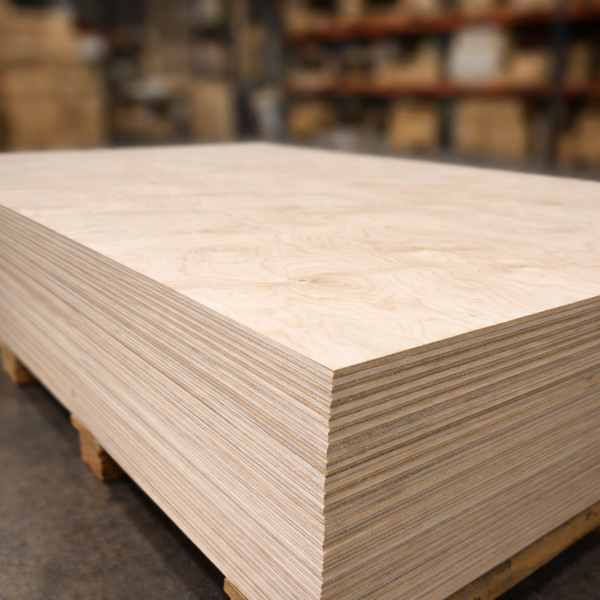
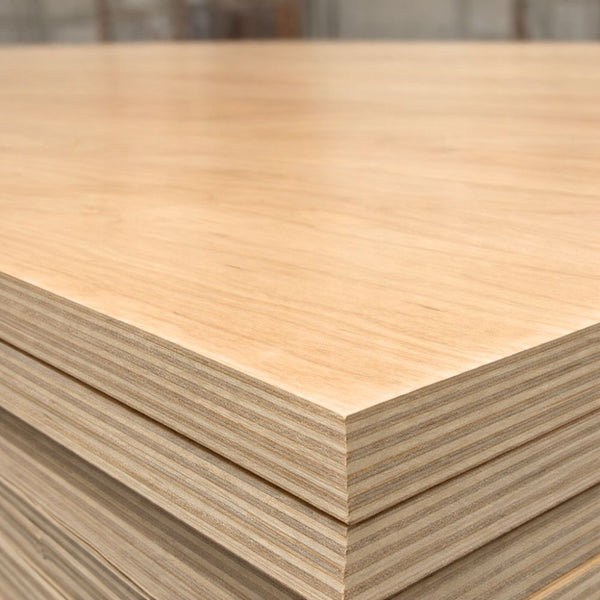
Compare birch and white melamine surfaces for indoor cabinets. A finished face does not make the sheet preservative-treated or waterproof.
View indoor cabinet panels
Unfinished Baltic Birch
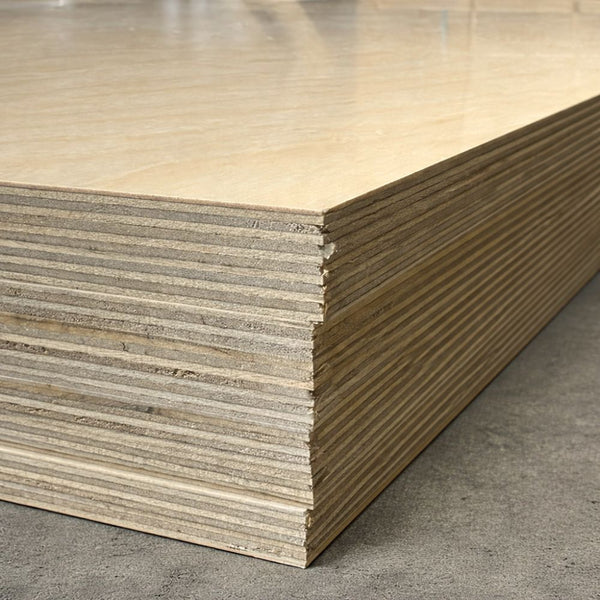
Review for indoor cabinet fabrication where the selected thickness and construction suit the design. No ground-contact approval is implied.
Compare cabinet plywoodFor the interior specification, see choosing plywood for cabinets.
Frequently asked questions
Does pressure treatment make wood waterproof?
No. It addresses specified biological hazards, not complete waterproofing. Moisture movement, finishing and exposure limits still matter.
Is all pressure-treated wood safe for the same uses?
No. Check the preservative, use category, product label and application requirements. Do not assume approval for food-contact, furniture or another specialized use.
Can I burn pressure-treated offcuts?
No. Do not burn them in residential heating equipment or open fires. Follow the treatment supplier’s guidance and local disposal rules.