
Berta Store · Decorative hardwood plywood
Hickory plywood: select the face and the core separately
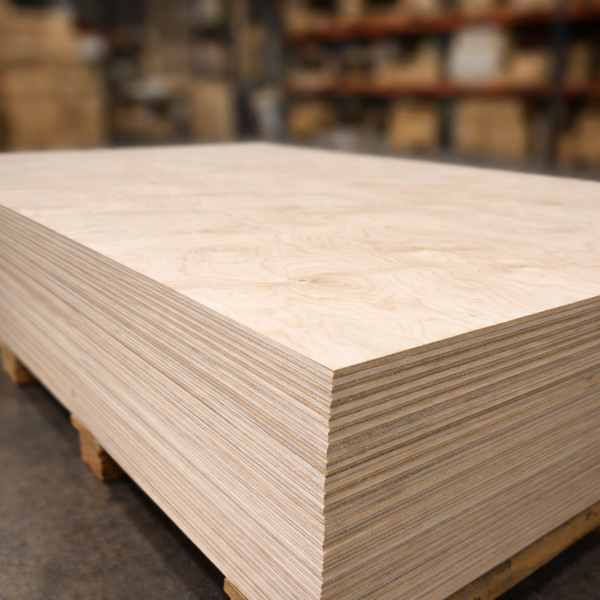
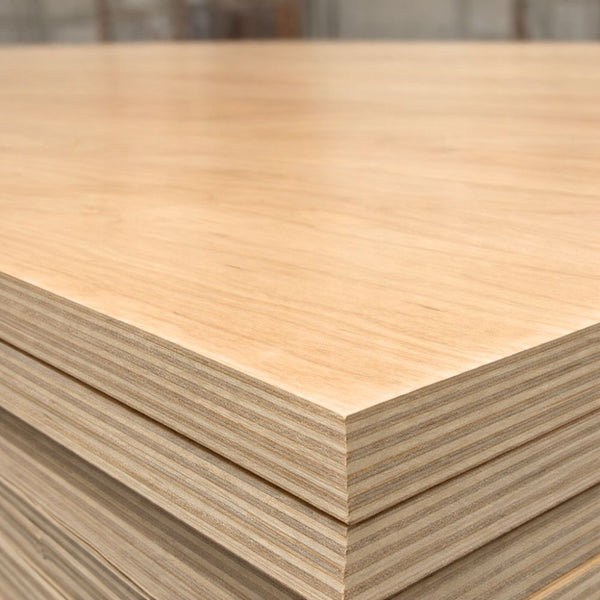
Hickory plywood commonly describes a panel with hickory face veneer over a specified core. It does not necessarily mean every layer is hickory. Its visible grain and color variation can be a major design feature, while the core, actual thickness and joints determine how the panel works in the cabinet.
Choose it when you want the character of the actual hickory sample. Do not select it solely because solid hickory has a reputation for hardness: that does not establish the stiffness, weight or fastener performance of an entire veneered panel.
Hickory veneer, rustic hickory and cabinet-grade descriptions
| Description | What to inspect | What it does not establish |
|---|---|---|
| Hickory veneer plywood | Real veneer species, cut, matching and core. | An all-hickory core or a universal panel strength. |
| Rustic or knotty hickory | Permitted knots, repairs, color contrast and the sample range. | The same appearance allowance across every manufacturer. |
| Cabinet grade | Both face grades, core quality, thickness tolerance and finish. | One universal grading standard or an automatically finished surface. |
| Hickory-look decorative board | Whether the surface is genuine veneer or a printed pattern. | Real hickory wood on the face. |
Columbia’s decorative veneer range identifies hickory as a veneer species. Core construction remains a separate purchasing specification. For grade terminology, use the plywood face-grade guide.
Pros and limitations for cabinet projects
Appearance can be the main advantage. When the project calls for hickory character, a veneered panel lets you use that face on larger cabinet ends and furniture components. Approve a representative range of sheets, not just one attractive corner of a sample.
Variation needs planning. Natural color and grain can make neighboring fronts look different. Dry-layout visible parts, mark grain direction and group the pieces intended to sit together before cutting. Additional yield allowance may be needed for the desired visual match; no fixed waste percentage works for every selection.
The edge is a separate surface. Cutting a hickory-faced sheet exposes its core. Plan veneer banding or suitable solid edging, and approve its color under the chosen finish. A roll labeled hickory does not guarantee a perfect match to every face.
Performance is panel-specific. For shelves, doors or hardware, use the actual core and finished component dimensions. Neither the species name nor the word rustic provides a load capacity, an exterior rating or a hinge count.
Where to use hickory plywood—and where to reconsider it
| Component | Reason to consider hickory | Check first |
|---|---|---|
| Exposed cabinet end or furniture panel | The grain and color are part of the design. | Face matching, edge treatment and finish sample. |
| Cabinet interior | A deliberate matching interior appearance. | Both-face quality, cleaning and the cost of finishing versus a prefinished interior panel. |
| Shelf | A visible wood face coordinated with the cabinet. | Actual thickness, unsupported span, load and edge/support detail. |
| Door or applied front | Large visible areas of hickory veneer. | Approved door construction, balancing, weight and hardware requirements. |
| Fully painted or concealed part | The hickory appearance may add little value. | Whether another suitable core/face system better fits the finishing plan. |
See shelf thickness and sagging checks for shelf design, and plywood selection for painted cabinets when the natural face will be covered.
Finishing hickory plywood without losing the veneer
Use an offcut from the actual sheet to test the complete sanding, color and topcoat sequence. Check the face and the proposed edge material side by side. A finish may emphasize the contrast already present rather than make all parts look uniform.
Confirm face veneer thickness and avoid aggressive sanding at the edges. Remove contamination and glue residue using a process appropriate to the veneer and finishing system. Do not assume a stain recipe from solid lumber will look identical on a thin sliced or rotary-cut face.
The plywood staining guide explains a sample-first workflow. When comparing other decorative species, read alder plywood’s rustic grades and finishing checks and maple plywood face and core selection. These are different looks, not interchangeable color matches.
Different cabinet finishes to compare at Berta
No hickory plywood product was found in the reviewed Berta catalog. The following cards offer alternative finish choices only when the project does not require an exact hickory face.

Prefinished Maple Plywood
A real maple veneer face with a factory clear finish. Compare a physical sample rather than expecting it to duplicate hickory’s character.
View maple plywood options
Wood-Tone Melamine Plywood
A decorative wood-look finish rather than hickory veneer. Review it for indoor work where that different appearance and fabrication method suit the project.
Compare wood-tone finished panelsWhat to put on the hickory panel order
Specify the manufacturer, face and back grades, rustic-character allowance, core, actual thickness, sheet size and finish state. Confirm how the visible parts will be matched and what edging will be used. Ask for current availability and a sample that represents the offered grade, not a claim that all sheets are identical.
Use the cabinet plywood buying guide to keep construction requirements separate from the decorative-species choice.
Frequently asked questions
Is hickory plywood made entirely of hickory?
Not necessarily. The name can refer only to the face veneer. Obtain the core specification before making weight or performance comparisons.
Does rustic hickory mean defective plywood?
Rustic usually describes an intended range of visible natural character. The manufacturer’s grade defines what is allowed; it does not excuse unsuitable core construction or damage.
Can I make all hickory faces look identical with stain?
Do not assume so. Approve the natural variation and a complete finish sample before cutting the visible parts. Stain can emphasize existing differences.
This guide concerns material selection and appearance. It does not assign a structural rating or claim that Berta stocks hickory panels.