
Berta Store · Hardwood panel selection
What is beech plywood?
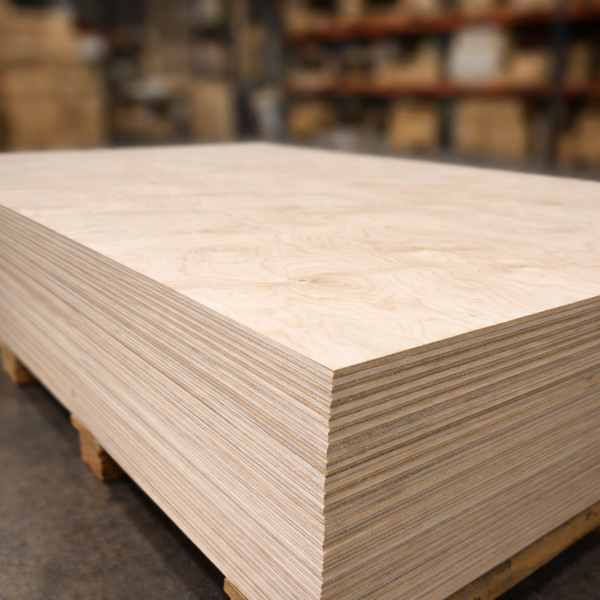
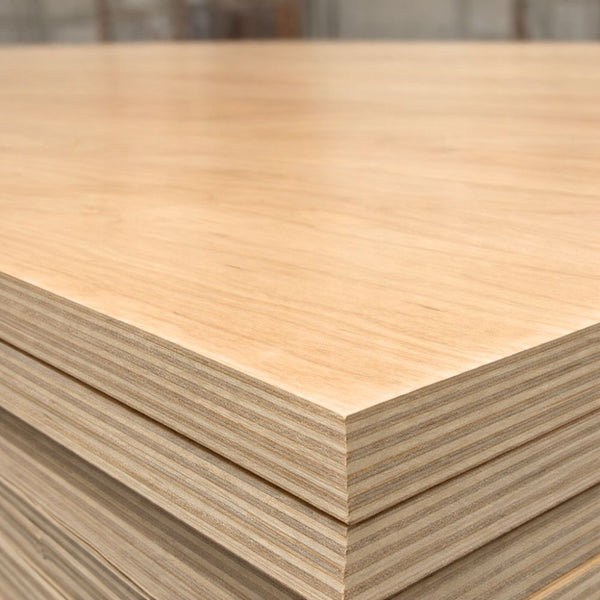
Beech plywood may mean a panel with decorative beech face veneers or a panel specified with beech veneers throughout its construction. Those are not automatically the same product. Ask what is beneath the visible surface before comparing weight, stiffness or screw holding.
For cabinets and furniture, beech is often considered for its relatively fine-grained appearance. Color, veneer cut, matching and processing can change the result, so approve an actual sample rather than a generic species photograph.
Beech-faced versus all-beech plywood
| Product description | What it tells you | What remains to check |
|---|---|---|
| Beech-faced plywood | The visible veneer species. | Core species, ply arrangement, adhesive, face/back quality and actual thickness. |
| All-beech plywood | Beech veneers are specified through the panel. | Manufacturer, layup, grading system and performance data for the intended use. |
| Beech veneer on MDF | A wood surface over a composite core. | Weight, hardware mounting, edge treatment and permitted application. |
| Beech-look decorative panel | A wood-look appearance, possibly printed rather than real veneer. | Actual surface material and the substrate beneath it. |
Columbia’s veneer range lists American and European beech separately. Its panel offerings also illustrate why veneer selection and core selection are different specifications. Do not assume that one supplier’s beech description applies to another’s board.
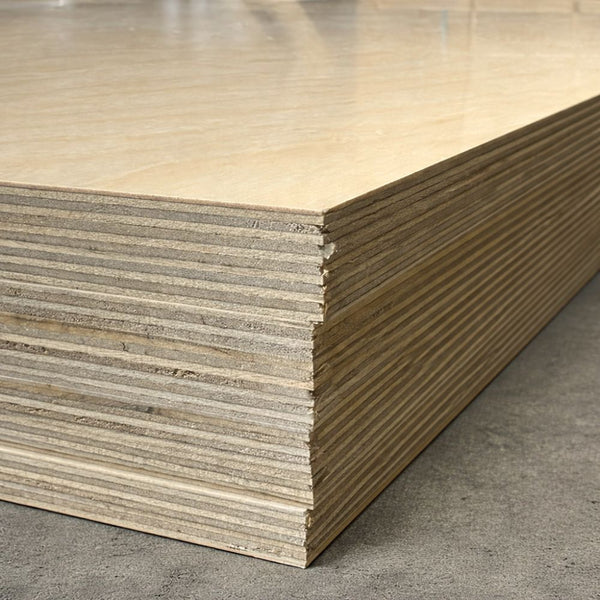
The same distinction appears in birch veneer plywood versus an all-birch core. For interpreting an edge, use what plywood ply count actually describes.
Properties that matter in a real cabinet
Do not apply a solid-beech hardness value to the bending strength of an entire plywood panel. A thin beech face, a thick veneer core and a composite core contribute differently to handling, machining and performance. Use the panel specification where a capacity or critical dimension matters.
| Characteristic | Practical check | Why it matters |
|---|---|---|
| Face appearance | Sample color, grain cut, veneer matching and permitted repairs. | Visible ends and doors should match the intended look. |
| Actual thickness | Measure several positions on the supplied sheet. | Grooves, dados and hardware depend on the real dimension. |
| Core integrity | Inspect representative cut edges and request the construction specification. | Joints and exposed edges need suitable material where they are machined. |
| Weight | Use the exact panel’s data or weigh a representative component. | Door hardware and handling cannot be specified from the face species alone. |
| Moisture exposure | Check bond classification and the intended environment. | Beech is not a waterproofing or exterior certification. |
For thickness selection, see plywood thickness by span, load and support. For cabinet material choices more broadly, use the cabinet plywood selection guide.
Applications: where beech can be worth considering
Visible cabinet ends and furniture panels: choose beech when its sample appearance is part of the design. Decide whether the back face is also visible and specify the required quality on both sides. A face-grade label does not describe every hidden layer.
Shelves and cabinet boxes: evaluate the core, thickness, joints and supports. A decorative beech-faced panel can be suitable where its complete specification meets the design, but the face name alone does not establish a shelf capacity.
Machined or exposed edges: inspect an actual offcut before deciding to leave the layers visible. Otherwise, plan matching solid edging or veneer banding and include its finished thickness in the cut list.
Curved work: do not assume an ordinary beech plywood sheet is bending plywood. A curved application needs a specified panel, direction and forming method. Trial fabrication is not permission to exceed the material’s limits.
Finishing and edge matching
For unfinished beech veneer, create a finish sample from the same material that will be used in the project. Test the sanding sequence, color treatment and topcoat together. Do not rely on the assertion that every beech veneer stains uniformly or that a sample from another species predicts the result.
Veneer thickness limits sanding. Avoid sanding through the face, and account for glue squeeze-out that can affect stain uptake. Titebond’s wood-glue guidance discusses the effect of glue on later staining and the need for suitable bonding surfaces.
For the practical finish sequence, read how to test a plywood stain and finish. When comparing an alternative warm-toned face, see alder plywood grades, core and finishing choices. Alder is a different species, not a color-matched beech substitute.
Cabinet panel alternatives available to compare
No beech plywood product was found in the reviewed Berta catalog. These are different cabinet materials to consider when an exact beech face is not required.

Prefinished Maple Plywood
Compare a maple-faced, factory-finished panel for visible indoor work. Its color and sheen must be approved separately from a beech sample.
View maple panel options
Unfinished Baltic Birch
Review the birch core and thickness options when machining and the final finish are the priority. BB/BB faces may include allowed repairs.
Compare Baltic Birch plywoodFrequently asked questions
Is beech plywood stronger than birch plywood?
There is no universal ranking from the face species. Compare the exact panels, actual thicknesses, core constructions and relevant performance data.
Does beech plywood have a beech core?
Sometimes, but the name can refer only to the face veneer. Ask whether the panel is all-beech, mixed-veneer or composite-core construction.
Can I paint or stain beech plywood?
Use a finish approved for the supplied surface and test it on the actual veneer. Raw and factory-finished panels require different preparation.
The comparison is a material-selection guide, not a load test or claim that Berta stocks beech panels. Product specifications and samples govern the final choice.