
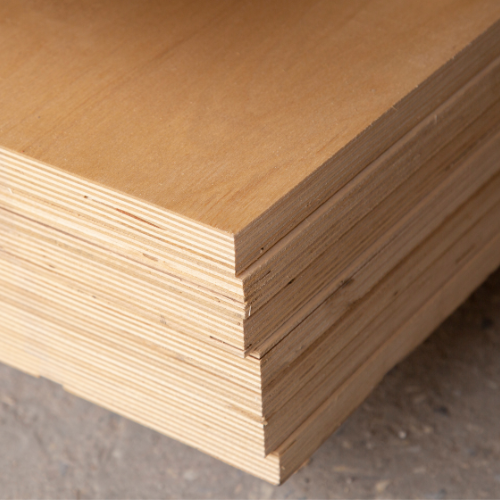
Shop cabinet-grade prefinished plywood 4×8 sheets for cabinet boxes, closets, shelving, and millwork projects. Choose birch or white melamine panels with a smooth, ready-to-use surface.


-
 files/4x8-Plywood-Prefinished-Both-Sides-Cabinet-Grade-Berta-Store-32544893436152.png
-
 files/prefinished_plywood_white_melamine_3_4.jpg
-
 files/prefinished-birch-plywood-4x8-surface-grain_Berta.jpg
-
 files/prefinished_plywood_birch_3_4.jpg
-
 files/4x8-Plywood-Prefinished-Both-Sides-Cabinet-Grade-Berta-Store-38697330606328.webp
-
 files/4x8-Plywood-Prefinished-Both-Sides-Cabinet-Grade-Berta-Store-38697330934008.webp
-
 files/4x8-Plywood-Prefinished-Both-Sides-Cabinet-Grade-Berta-Store-38204110307576.png
-
 files/4x8-Plywood-Prefinished-Both-Sides-Cabinet-Grade-Berta-Store-38204110176504.png
-
 files/Prefinished_Birch_Plywood.jpg
-
 files/prefinished-birch-plywood-4x8-warehouse-stack.jpg
-
 files/prefinished-birch-plywood-4x8-cabinet-grade-stack.jpg
-
 files/preview_images/plywood-5.png


4×8 Prefinished Cabinet Grade Plywood – Birch or White Melamine
- Regular price
- $64.12


Explore Other Prefinished Plywood Options
Compare other prefinished plywood options for cabinets, closets, shelving, built-ins, furniture, and commercial millwork. Choose from Maple Plywood, Wood-Tone Melamine, or Light Gray Melamine to match your project’s finish and design.

Maple Plywood
Cabinet-grade maple plywood with a clean natural wood appearance for cabinet boxes, shelving, furniture, closets, built-ins, and interior millwork.

Wood-Tone Melamine
Decorative wood-grain melamine plywood with a finished surface for closets, cabinets, shelving, storage systems, built-ins, and modern interior projects.

Light Gray Melamine
Light gray melamine plywood with a clean contemporary surface for cabinets, closets, shelving, built-ins, storage systems, and modern commercial interiors.
Looking for Baltic Birch Plywood?
Compare our most popular Baltic Birch plywood options for cabinet boxes, drawer boxes, furniture, shelving, built-ins, closets, and professional woodworking projects.

BB/BB Baltic Birch
Cabinet-grade unfinished Baltic Birch plywood with clean faces and a strong multi-ply core for cabinets, furniture, shelving, and drawer boxes.

B/BB Baltic Birch
Unfinished Baltic Birch plywood with one cleaner B-grade face for visible cabinet parts, furniture, shelving, and custom woodworking.

Prefinished Baltic Birch
Baltic Birch plywood with a clear finished surface for cabinet interiors, furniture, closets, shelving, and ready-to-use woodworking projects.

White Melamine Baltic Birch
White melamine surface over a Baltic Birch core for cabinets, closets, storage systems, shelving, and clean finished interiors.
Complete Your Cabinet Project
Shop the cabinet hardware and finishing supplies needed to complete your build, including edge banding, drawer slides, hinges, and cabinet gas springs.

Edge Banding
Finish exposed plywood edges with cabinet edge banding for clean, professional cabinet boxes, shelves, doors, and furniture.

Drawer Slides
Shop soft-close, undermount, and full-extension drawer slides for kitchen cabinets, vanities, furniture, and custom drawer systems.

Cabinet Hinges
Find soft-close and specialty cabinet hinges for overlay, inset, face-frame, frameless, and corner cabinet applications.

Cabinet Gas Springs
Hydraulic gas springs provide controlled lift and support for upward-opening cabinet doors, storage cabinets, and furniture.
What Is the Best Plywood for Cabinets?
Cabinet makers typically choose cabinet-grade plywood because it offers the stability, strength, and clean face veneers required for visible interior projects. Unlike construction plywood, cabinet plywood is manufactured with higher-quality veneers and a more consistent core, which prevents warping and provides better screw-holding strength.
For most cabinet builds, 3/4" plywood is used for cabinet boxes and structural shelving because it provides maximum rigidity and support. 1/2" plywood is commonly used for cabinet doors, panels, and lighter structural parts, while 1/4" plywood is typically used for cabinet backs, drawer bottoms, and decorative panels.
Many professionals also prefer prefinished plywood because the surfaces are already sealed at the factory. This eliminates sanding and finishing on site, saves labor time, and provides a consistent, durable finish for cabinet interiors.
Cabinet Grade Prefinished Plywood (4x8 Sheets for Cabinets & Furniture)
Commonly used for cabinets and furniture-grade builds, these panels are trusted by contractors, cabinet shops, and installers.
This cabinet grade plywood is designed specifically for cabinets, closets, and furniture projects. Unlike raw plywood, these prefinished panels come with a factory-applied UV coating or melamine surface, eliminating the need for sanding and finishing.
Available in 4×8 sheets in 3/4", 1/2", and 1/4" thicknesses, this material is built for cabinet boxes, drawer systems, and built-ins where consistency, clean cuts, and durability matter.
Availability varies by finish and thickness. In-stock options are available for pickup from our NJ warehouse or scheduled delivery. Select your preferred option above to see current availability or pre-order status.
Available Thicknesses
3/4", 1/2", and 1/4" 4×8 cabinet-grade sheets.
Applications
Cabinets, closets, drawer systems, shelving, and built-ins.
Pickup & Delivery
Available for warehouse pickup or delivery across NJ, NY, PA, and nearby states.
Is Prefinished Plywood the Same as Cabinet Grade Plywood?
Prefinished plywood is a type of cabinet grade plywood, but with a factory-applied finish that eliminates sanding and sealing. It provides the same structural strength as traditional cabinet plywood while saving significant labor time.
Birch vs White Melamine Prefinished Plywood (Which Should You Choose?)
We stock two of the most commonly used cabinet grade plywood options for interior projects:
Natural wood veneer with a UV-cured clear finish. Ideal for kitchen cabinets, furniture, and projects where wood grain appearance matters.
Durable, low-maintenance white surface commonly used for closets, cabinet interiors, and modern builds.
Why Use Prefinished Plywood for Cabinets Instead of Raw Sheets?
Birch panels feature a factory-applied UV clear coat, eliminating the need for sanding, sealing, or additional finishing. White melamine panels arrive with a durable finished surface already applied.
Both options are ready for cutting and installation, reducing on-site labor and finishing time.
Why Builders Choose Our Cabinet Grade Prefinished Plywood
Lower-grade plywood often comes with internal voids, inconsistent thickness, and weak veneers — leading to misaligned hardware, poor finishes, and wasted time on job sites.
Our cabinet grade prefinished plywood is built for professional results. Strong core construction, consistent thickness, and clean-cut edges ensure faster installs, fewer callbacks, and better long-term performance.
Choose the right thickness and finish for your project and order your cabinet grade plywood sheets with delivery or pickup options available.
Birch Prefinished Plywood vs White Melamine Plywood
Cabinet makers and contractors often compare birch prefinished plywood and white melamine plywood when choosing material for cabinet boxes, shelving, closets, and furniture projects. Both are cabinet-grade 4×8 panels, but each works better for different applications depending on the finish, appearance, and maintenance requirements.
| Feature | Birch Prefinished Plywood | White Melamine Plywood |
|---|---|---|
| Surface Appearance | Natural birch wood grain | Smooth solid white surface |
| Finish | UV clear coat | White melamine laminate |
| Best For | Cabinets, furniture, shelving, built-ins | Closets, cabinet interiors, pantries, retail fixtures |
| Look | Warm natural wood appearance | Clean modern white finish |
| Maintenance | Easy to clean finished wood surface | Very easy wipe-clean surface |
| Common Use in Cabinetry | Visible cabinet interiors and furniture-grade projects | Utility interiors, closets, and white cabinet interiors |
| Thickness Options | 3/4", 1/2", 1/4" | 3/4", 1/2", 1/4" |
Choose birch prefinished plywood if you want a natural wood look for cabinets and furniture. Choose white melamine plywood if you want a clean white interior surface that is easy to maintain for closets, cabinet boxes, and storage projects.
Recommended Plywood Thickness for Cabinets
Choosing the correct plywood thickness is important for cabinet strength, durability, and long-term stability. Cabinet builders typically use different plywood thicknesses depending on the structural role of each component.
| Plywood Thickness | Typical Cabinet Use | Why It Works |
|---|---|---|
| 3/4" Plywood | Cabinet boxes, shelving, structural panels | Provides maximum rigidity and excellent screw holding strength for cabinet construction. |
| 1/2" Plywood | Cabinet doors, drawer sides, lighter shelving | Strong enough for doors and panels while reducing overall cabinet weight. |
| 1/4" Plywood | Drawer bottoms, cabinet backs, decorative panels | Lightweight and ideal for non-structural cabinet components. |
For most cabinet projects, builders rely on 3/4" prefinished plywood for cabinet boxes and shelving, while thinner panels are used for doors, drawer components, and cabinet backs.
Frequently Asked Questions
What projects work best with cabinet grade plywood?
Cabinet grade plywood is ideal for interior projects where appearance and durability matter. Kitchen cabinets are the most common use, with 3/4 inch plywood for cabinet boxes and 1/2 inch plywood for doors and drawer fronts.
It’s also widely used for bathroom vanities, built-in storage, closet systems, entertainment centers, and custom furniture. The Grade A face veneers and stable core make it easy to achieve professional results.
Can you use 1/4 inch plywood for cabinet doors?
In most cases, 1/4 inch plywood is not recommended for cabinet doors. Doors require the stiffness and screw holding strength found in 1/2 inch or 3/4 inch plywood to prevent sagging and hardware failure.
The 1/4 inch thickness works best for non-structural applications such as drawer bottoms, cabinet backs, and decorative panels where strength demands are lower.
Does prefinished plywood work in bathrooms and moisture areas?
For bathroom cabinetry, use these panels only in protected interior locations away from direct water exposure and persistent dampness. Do not treat the factory-finished surface as a waterproof or exterior-use rating.
Protect exposed plywood edges, cutouts and unfinished surfaces with a suitable finishing system for the application. Maintain ventilation and address spills or leaks promptly. Edge treatment does not make the entire panel waterproof.
Can this plywood be used for furniture construction?
Yes. These panels can be used for interior furniture such as bookcases, storage units and built-ins. Their multi-ply poplar plywood core supports cabinet and furniture construction when thickness, spans and joinery are appropriate for the design.
Choose natural birch veneer with a UV-cured clear coat or white melamine according to the desired appearance. Factory-finished faces reduce finishing work, but exposed edges and unfinished surfaces may still need treatment.
How long does delivery take for plywood orders?
Most in-stock orders are delivered within 3–4 business days across our service area. Timing may vary by product, thickness, quantity, destination and delivery schedule. Contact us with your ZIP code and order details to confirm availability and estimated delivery timing.
Pickup is available from our Pennsauken, NJ warehouse. We’ll notify you when your order is ready for pickup. Please wait for that notification before coming to the warehouse.
Do I need to sand or seal the prefinished surfaces before installation?
No sanding or sealing is required. The UV-cured finish is fully applied and ready for installation. You can cut the plywood and install it immediately. This saves significant labor time and provides a tougher, more consistent finish than most field-applied coatings.
Will screws and hardware hold securely in this plywood?
Yes. The solid core construction and multiple plies provide excellent screw holding strength. The 3/4 inch plywood offers maximum support for cabinet boxes, while 1/2 inch plywood works well for doors and drawer fronts.
The absence of internal voids ensures hinges, drawer slides, and hardware remain secure over time.
What’s the best way to cut prefinished plywood without chipping the finish?
Use a fine-tooth blade and score the cut line with a utility knife before cutting. Supporting both sides of the cut and cutting slowly helps prevent chipping.
For circular saws, cut from the back side of the sheet, as chipping usually occurs on the exit side of the blade. Taping the cut line can also help protect the finish.
To plan your cuts and estimate sheet usage, try our Plywood Cut List Calculator before ordering.
How can I figure out how many plywood sheets I actually need for my project?
Most projects don’t run into problems because of bad cuts — they run into problems because the material order was off. One missing sheet can stop a cabinet build. Ordering too much ties up money in leftovers.
That’s why we built the Plywood & MDF Calculator . It helps you estimate how many sheets you’ll need before placing an order, based on real shop conditions — not perfect math. Standard sheet sizes, cut loss, kerf, and waste are all considered so the final number reflects how plywood and MDF are actually used in cabinet and furniture projects.
What thickness plywood is best for cabinets?
3/4 inch plywood is typically used for cabinet boxes due to its strength and stability. 1/2 inch plywood is commonly used for cabinet doors and drawer components, while 1/4 inch plywood is best suited for backs and drawer bottoms where less structural support is needed.
Plan Your Project Faster with Our
Cabinet & Plywood Calculators
Built for cabinet shops, contractors, and serious DIY builders. Estimate plywood sheets, cabinet box materials, and project costs in seconds with our free planning tools.