
-
 files/Prefinished_Plywood_Cabinet_Grade_Volume_Pricing.jpg

-
 files/4x8-Plywood-Prefinished-Both-Sides-Cabinet-Grade-Berta-Store-32544893436152.png
-
 files/4x8-Plywood-Prefinished-Both-Sides-Cabinet-Grade-Berta-Store-32544927187192.png
-
 files/4x8-Plywood-Prefinished-Both-Sides-Cabinet-Grade-Berta-Store-38697330606328.webp
-
 files/4x8-Plywood-Prefinished-Both-Sides-Cabinet-Grade-Berta-Store-38697330934008.webp
-
 files/4x8-Plywood-Prefinished-Both-Sides-Cabinet-Grade-Berta-Store-38204110307576.png
-
 files/4x8-Plywood-Prefinished-Both-Sides-Cabinet-Grade-Berta-Store-38204110176504.png
-
 files/4x8-Plywood-Prefinished-Both-Sides-Cabinet-Grade-Berta-Store-38697332015352.webp
-
 files/preview_images/plywood-5.png


4x8 Plywood Prefinished Both Sides - Cabinet Grade
- Regular price
- $76.46
- Regular price
- $76.46


Product Description
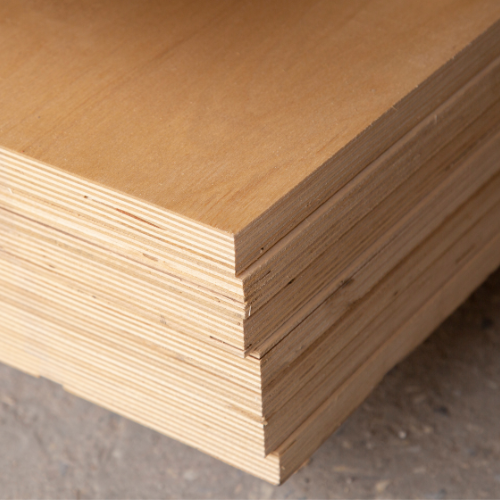
Take your projects to the next level with premium prefinished 4x8 plywood panels — factory-sealed on both sides with a smooth, UV-cured finish. Whether you're building kitchen cabinets, garage shelving, or modern custom furniture, these cabinet-grade plywood sheets offer unmatched strength, a clean surface, and zero finishing required.
Key Features & Benefits:
-
Premium Finish (Both Sides): UV-cured clear coat on both faces of the sheet for a smooth, scratch-resistant surface – no additional finishing needed.
-
Cabinet-Grade Quality: Grade A plywood with minimal voids and a sturdy multi-ply core, ensuring strength and stability for cabinetry and furniture projects.
-
Multiple Thicknesses: Available in 3/4″, 1/2″, and 1/4″ thickness to suit various building needs (all in standard 4ft x 8ft panels).
-
Two Stylish Looks: Choose natural birch veneer for a wood-grain finish or white melamine for a sleek, modern appearance
-
Easy to Work With: Cuts cleanly, holds screws securely, and resists warping
-
In-Stock & Fast Delivery: Always in stock and ready to ship or pick up from our NJ warehouse
Specifications:
- Sheet Size: 48" x 96" (4 feet by 8 feet)
- Thicknesses Available: ¾" (0.75"), ½" (0.50"), ¼" (0.25")
-
Face Materials & Surface Finish:
– Birch Veneer (natural wood look): Long grain runs parallel to the sheet’s length for continuous grain flow and strength. UV clear coat, factory-finished on both sides.
– White Melamine (clean laminate): Smooth white surface on both sides, ready for cabinet interiors and modern builds. Durable and easy to clean.
- Finish: Factory UV-coated (both sides)
- Core Material: High-quality poplar plywood
-
Grade: Cabinet-grade (face-grade A), both sides prefinished
Delivery & Pickup:
- Pickup: Available at our Pennsauken, NJ warehouse
-
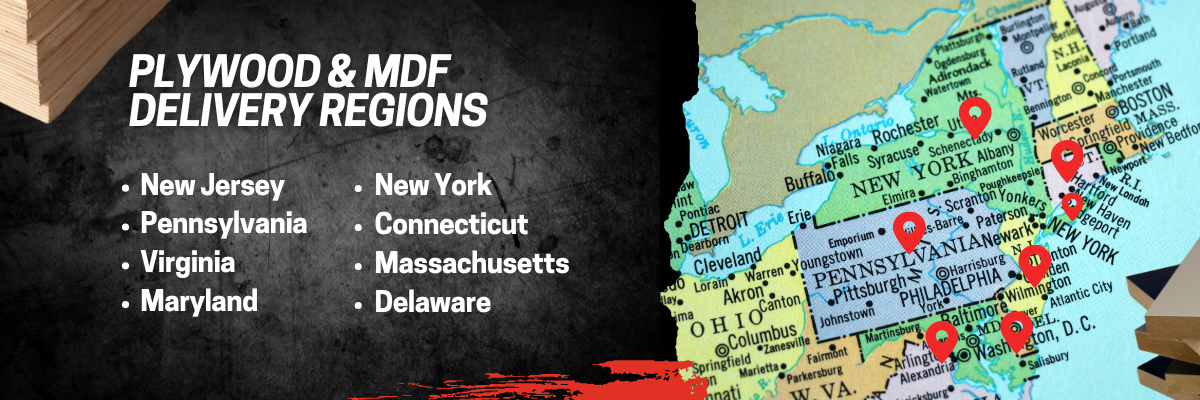
Delivery: Flat-rate delivery available across NJ, NY, PA, CT, MD, MA, VA, and DE.
A delivery calculator is available for estimating delivery costs before ordering. - Free delivery: May apply based on order quantity and location (shown at checkout).
Learn More About Our Delivery Process
Bulk Discounts — Applied Automatically at Checkout
Save more when you buy in bulk:
- 10+ sheets — 10% off
- 20+ sheets — 15% off
- 50+ sheets — 20% off
These volume discounts apply automatically at checkout for all prefinished plywood orders.
Ordering 100+ sheets?
Get pallet pricing and nationwide freight delivery here:
3/4" Prefinished Plywood Bulk Bundles
Perfect For:
- Kitchen Cabinets
- Vanities & Closets
- Built-ins & Shelving
- Garage Storage
- Office or Retail Fixtures
- Custom Furniture Projects
Want to confirm the quality?
Order a sample and experience the craftsmanship before placing your full order.
Questions? Call us or text us anytime for fast, local support. We’re here to help you choose the right plywood for your job — and get it to you fast.
Customer Reviews
Customer Reviews
I ordered only a few pieces of this for a kitchen job because the price seemed too good to be true. Got it delivered for free and the quality of the ply is similar to anything I've gotten at Lowe's. Being prefinished is going to be a huge time saver. I've been tossing them around my shop all week and the finish seems pretty durable so far. Ordering more to finish up the job.
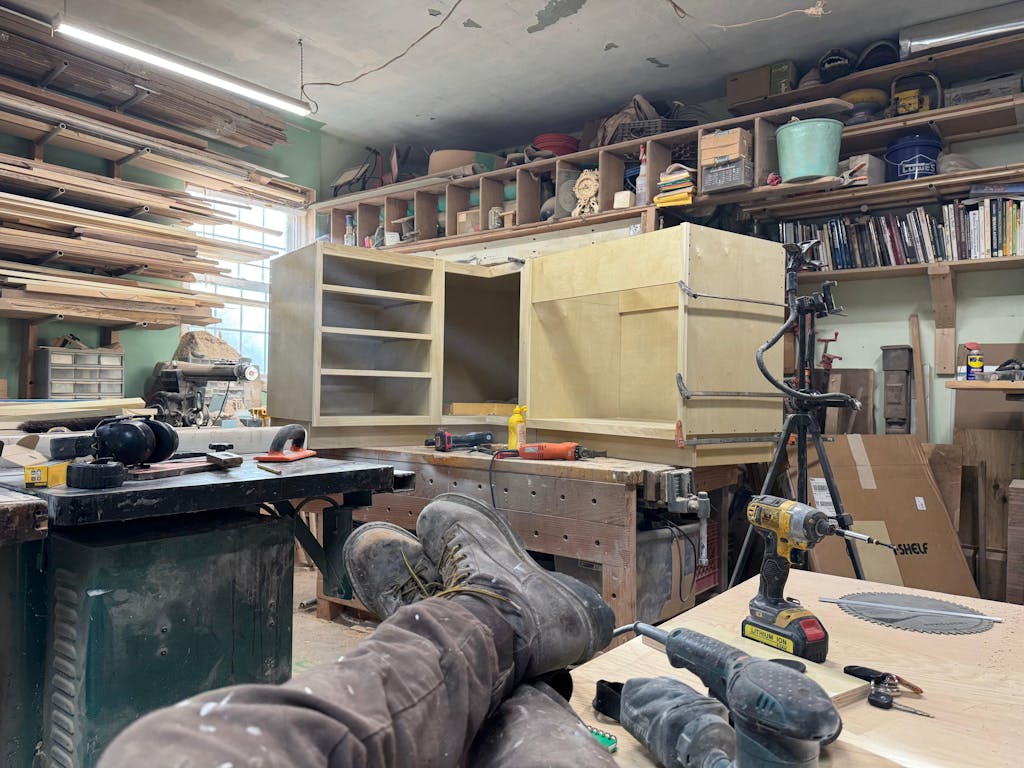
After I got my track saw i built a few cabinet type pieces around the house and garage. Really disappointed with the quality of plywood i bought at big box when i started assembling which is why i searched out and found out that Berta wasn't too far from home. I ordered 2 sheets of 3/4" pre-finished online. The owners dad was friendly and helped me load the sheets into my van. The quality and finish is amazing! I can't wait to build a new vanity for the bathroom with it. I'll surely be back for some 1/2" to build some drawers!
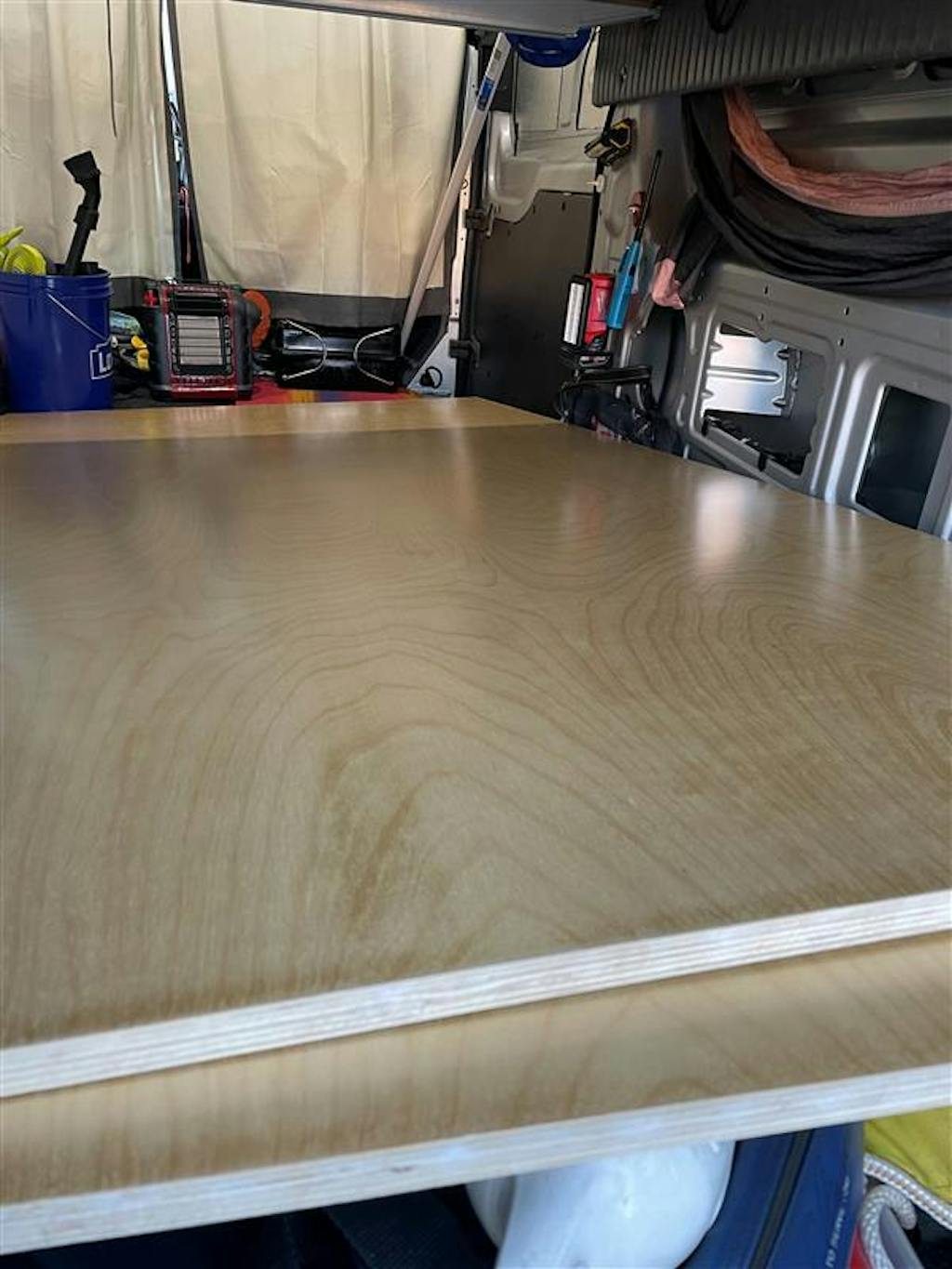
Excellent product. Like the fact that you don't have to sand and finish. Great time saver !
Quick order and delivery, even on a day right after a snow storm.
Run a small cabinet shop out of my basement and gave these guys a try. Ordered 30 sheets, and I'm thoroughly impressed with the quality. Will definitely do business with them again.

Frequently Bought Together
-

49x98 White Melamine Baltic Birch Plywood – 3/4"
Sale price $159.90Regular price $198.99 -

4x8 Film-Faced Baltic Birch Plywood – 3/4" Clear Finish
Regular price $194.90 -

4×8 Baltic Birch Plywood B/BB — Cabinet Grade
Regular price $119.90 -

4x8 Baltic Birch Plywood BB/BB – Unfinished Both Sides
Regular price From $72.99 -

Birch Veneer Edge Banding – Preglued for Birch Plywood
Regular price $66.99


Complementary products
What Defines Cabinet-Grade Plywood?
Cabinet grade plywood is designed for interior cabinetry, closets, and custom furniture where surface quality and structural stability matter. Material choice directly impacts alignment, durability, and long-term performance. At Berta Store, we stock only cabinet-grade panels to ensure consistent results for professional builds.
What Actually Makes Plywood “Cabinet Grade”?
Not all 4×8 plywood meets cabinet-grade standards. Cabinet grade plywood uses Grade A face veneers, which means no knots, no patches, and smooth surfaces ready for finishing. Compare that to the B or C grade sheets from big box stores, and you’ll quickly see the difference.
We carry cabinet grade plywood in birch veneer and white melamine finishes, stocked in 3/4″, 1/2″, and 1/4″ thicknesses. Each sheet is built to handle real cabinetry and furniture work without surprises.
How Cabinet-Grade Plywood Is Engineered for Stability?
Think of plywood as wood engineered to stay stable. Thin wood veneers are layered with alternating grain directions, then bonded under heat and pressure. This cross-grain construction is what prevents warping and gives plywood its strength.
The result is a predictable, flat material — exactly what you want for kitchen cabinets, closets, and furniture-grade projects.
How Is Cabinet Grade Plywood Made?
The process requires precision. Veneers are peeled from logs, dried to a controlled moisture level, then bonded with industrial-strength adhesives. The layers are pressed together under high heat and pressure.
This creates a solid panel that behaves like a single piece of wood — but with far better stability. It significantly reduces the risk of twisting, cupping, or bowing compared to solid lumber.
What Are the Most Common Cabinet Plywood Options?
After years of working with contractors and builders, two options cover the majority of interior projects:
Birch Plywood
A classic choice with natural wood grain that stains and finishes well. Strong, versatile, and ideal when appearance matters.
White Melamine Plywood
A durable, low-maintenance option with a clean white surface. Popular for closets, pantries, and modern interiors where a consistent finish is preferred.
Which Plywood Thickness Should You Use?
Here’s what we recommend based on real-world use:
3/4″ plywood
Ideal for cabinet boxes, structural shelving, and furniture construction. Prefinished on both sides.
1/2″ plywood
Works well for cabinet doors, drawer fronts, and medium-duty shelving. Also prefinished on both sides.
1/4″ plywood
Commonly used for drawer bottoms, cabinet backs, and decorative panels. Prefinished on one side.
Why Choose Prefinished Plywood Instead of Raw Sheets?
Birch panels feature a factory-applied UV clear coat, eliminating the need for sanding, sealing, or additional finishing. White melamine panels arrive with a durable finished surface already applied. Both options are ready for cutting and installation, reducing on-site labor and finishing time.
How Does Cabinet Grade Plywood Compare to Other Sheet Goods?
You’ll see many terms when researching panels — softwood plywood, marine-grade, MDF core, and more. Most are designed for construction or exterior use.
We focus on high-grade interior plywood because that’s what cabinet makers and furniture builders actually need. Prefinished cabinet plywood removes guesswork and extra labor from the process.
Where Do You Deliver From and What Areas Do You Serve?
We serve the Northeast from our Pennsauken, NJ warehouse, covering New Jersey, New York, Pennsylvania, Connecticut, Maryland, Massachusetts, Virginia, and Delaware.
You can pick up orders at 9040 Pennsauken Hwy, NJ 08110, or schedule delivery directly to your job site.
What Sets Your Cabinet Grade Plywood Apart?
Cheaper plywood usually means inconsistent thickness, internal voids, and weak face veneers. Those issues show up fast — drawer slides don’t align, screws fail, and finishes look uneven.
Our cabinet grade plywood costs more upfront, but it saves time, callbacks, and frustration. The core stays stable, plies bond tightly, and every cut comes out clean — whether you’re using 1/4″ sheets for drawer bottoms or 3/4″ sheets for full cabinet boxes.
Frequently Asked Questions
What projects work best with cabinet grade plywood?
Cabinet grade plywood is ideal for interior projects where appearance and durability matter. Kitchen cabinets are the most common use, with 3/4 inch plywood for cabinet boxes and 1/2 inch plywood for doors and drawer fronts.
It’s also widely used for bathroom vanities, built-in storage, closet systems, entertainment centers, and custom furniture. The Grade A face veneers and stable core make it easy to achieve professional results.
Can you use 1/4 inch plywood for cabinet doors?
In most cases, 1/4 inch plywood is not recommended for cabinet doors. Doors require the stiffness and screw holding strength found in 1/2 inch or 3/4 inch plywood to prevent sagging and hardware failure.
The 1/4 inch thickness works best for non-structural applications such as drawer bottoms, cabinet backs, and decorative panels where strength demands are lower.
Does prefinished plywood work in bathrooms and moisture areas?
Yes, prefinished plywood performs well in bathrooms and other moisture-prone interior spaces. The UV-cured finish creates a durable protective barrier that resists peeling, bubbling, and discoloration.
As with any wood product, cut edges should be sealed and direct water exposure avoided. When properly installed, prefinished cabinet grade plywood handles normal bathroom humidity without issues.
Can this plywood be used for furniture construction?
Absolutely. Furniture grade plywood is designed for applications like tables, bookcases, dressers, and custom built-ins. The solid core construction and smooth face veneers provide excellent strength and appearance.
Prefinished plywood saves significant time by eliminating finishing steps, allowing builders to focus on assembly and installation. Both birch plywood and melamine options work well depending on the desired aesthetic.
How long does delivery take for plywood orders?
Most orders deliver within 2–3 business days across our service area. If you need delivery on a specific day, provide your order number and we’ll coordinate timing when possible.
For larger or time-sensitive projects, expedited delivery may be available.
Do I need to sand or seal the prefinished surfaces before installation?
No sanding or sealing is required. The UV-cured finish is fully applied and ready for installation. You can cut the plywood and install it immediately. This saves significant labor time and provides a tougher, more consistent finish than most field-applied coatings.
Will screws and hardware hold securely in this plywood?
Yes. The solid core construction and multiple plies provide excellent screw holding strength. The 3/4 inch plywood offers maximum support for cabinet boxes, while 1/2 inch plywood works well for doors and drawer fronts.
The absence of internal voids ensures hinges, drawer slides, and hardware remain secure over time.
What’s the best way to cut prefinished plywood without chipping the finish?
Use a fine-tooth blade and score the cut line with a utility knife before cutting. Supporting both sides of the cut and cutting slowly helps prevent chipping.
For circular saws, cut from the back side of the sheet, as chipping usually occurs on the exit side of the blade. Taping the cut line can also help protect the finish.
How can I figure out how many plywood sheets I actually need for my project?
Most projects don’t run into problems because of bad cuts — they run into problems because the material order was off. One missing sheet can stop a cabinet build. Ordering too much ties up money in leftovers.
That’s why we built the Plywood & MDF Calculator. It helps you estimate how many sheets you’ll need before placing an order, based on real shop conditions — not perfect math. Standard sheet sizes, cut loss, kerf, and waste are all considered so the final number reflects how plywood and MDF are actually used in cabinet and furniture projects.