
Edge Banding for Plywood: What to Use, How to Apply It, and What Fails
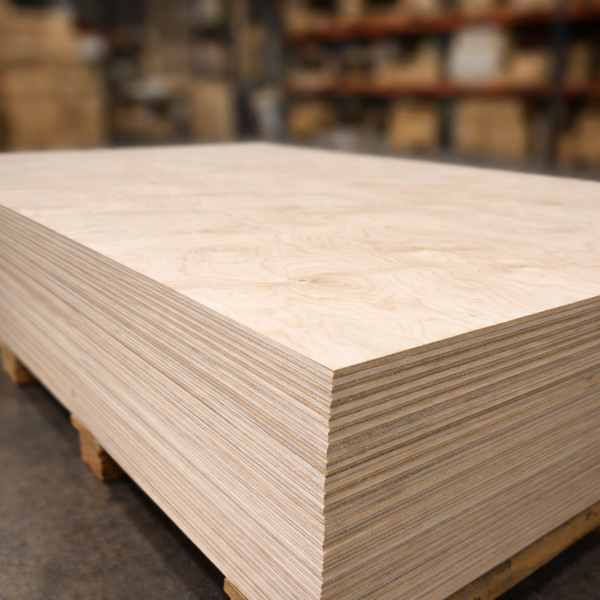
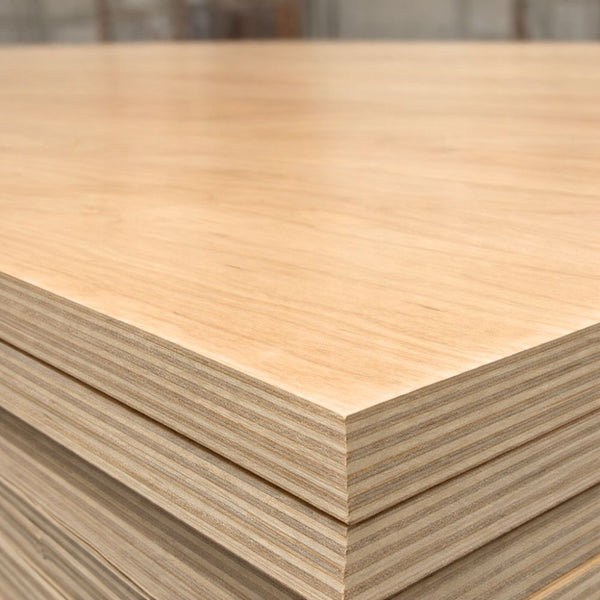
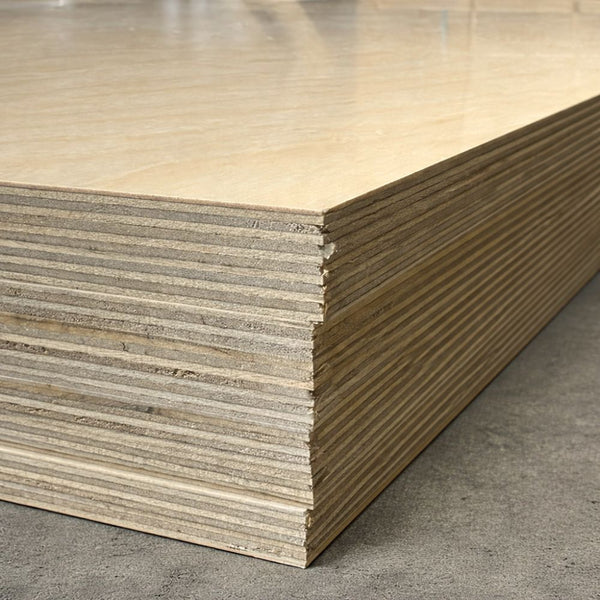
Plywood edges expose the core. In cabinetry, that edge is often the first thing a customer touches, and it’s where many builds look unfinished if it isn’t treated correctly. Edge banding isn’t a decorative add-on—it’s a functional step that improves durability, cleans up appearance, and protects vulnerable edges from impact and moisture.
Most edge banding problems are not material mysteries. They come from mismatch: the wrong banding type for the surface, weak adhesive activation, poor trimming, or expecting thin banding to act like solid wood. This guide explains how professionals choose edge banding for plywood, when it’s required, and how to avoid the failure modes that cause callbacks.
What Edge Banding Is Actually Doing on Plywood
Edge banding has three practical jobs:
- Visual finish: Hides plies and core patches where exposed edges would look rough or inconsistent.
- Edge protection: Reduces chipping and denting on corners and shelf edges.
- Moisture control: Limits moisture entry at a vulnerable point (important in kitchens, utility areas, and high-use environments).
It does not make low-grade plywood cabinet-grade, and it doesn’t correct void-filled edges. It simply covers and protects what’s already there.
How Professionals Decide Which Edge Banding to Use
Match the face material and finish plan
If the plywood face will be clear-finished or stained, veneer edge banding usually produces the cleanest match. If the project is white, painted, or interior-casework style, white banding is often more consistent than trying to paint raw plywood edges.
Choose thickness based on abuse level
Thin banding works on cabinet sides and light-duty edges. For shelves, drawers, and high-touch areas, thicker banding or solid edging is often the better decision.
Pick adhesive strategy based on shop setup
Pre-glued banding is faster for small runs and field work. No-glue banding is better when you have a dedicated edgebander or want full control over adhesive selection.
Veneer Edge Banding for Birch and Hardwood Plywood
Veneer edge banding is used when the goal is a wood-correct look with a clear finish. It can be sanded and finished alongside the plywood face, which is why it’s common in furniture, exposed cabinet ends, and open shelving.
For birch applications, pre-glued natural birch veneer edge banding is typically chosen when you want a wood match without setting up a separate adhesive process.
Where veneer banding performs well
- Exposed cabinet ends with clear finish
- Shelving where the edge will be finished, not painted
- Furniture panels where wood match matters
Where veneer banding fails
- High-impact edges (chips tear through thin veneer)
- Edges with voids or rough core gaps (telegraphs through)
- Wet or high-humidity areas without good sealing
White Edge Banding for Clean Interiors and Painted Looks
White edge banding is used to create a consistent bright edge on cabinet interiors, closet systems, and white-panel builds. It avoids the problem of trying to paint raw edges that absorb paint unevenly.
For white interior builds, white pre-glued edge banding is typically the fastest way to get a clean, uniform edge without spray finishing the entire component.
No-Glue Edge Banding: When It Makes Sense
No-glue edge banding is intended for shops that use a hot-melt system or an edgebander that applies adhesive. It’s also useful when you want more control over adhesive performance, temperature, and bond strength.
No-glue edge banding makes sense when:
- You have an edgebander and want consistent feed and pressure
- You need stronger bonds than small iron-on processes deliver
- You want control over adhesive type (EVA vs PUR, where applicable)
In production work, no-glue banding paired with the correct adhesive process is typically more repeatable than manual iron-on methods.
Application Methods That Actually Hold Up
Pre-glued (iron-on) application
Iron-on banding is workable, but it’s sensitive to heat control and pressure. Failures usually come from:
- Underheating the glue (bond looks fine, then peels later)
- Overheating (glue cooks and becomes brittle)
- Not applying pressure immediately after heating
- Dusty edges or burnished edges that reduce bond
Best practice is consistent heat, firm pressure with a roller, and trimming only after the bond cools and stabilizes.
Machine-applied banding
Machine application is more consistent when the panel edges are square and clean. The key controls are feed rate, adhesive temperature, and pressure. When dialed in, it reduces peel-back and corner failures.
Common Failure Modes and What Causes Them
- Peeling at corners: Insufficient heat/pressure, contaminated edges, or trimming too aggressively.
- Glue line showing: Poor trimming, wrong thickness choice, or panel edges not square.
- Chipping while trimming: Dull blades, incorrect grain direction on veneer, or brittle banding.
- Banding telegraphs voids: Core gaps and rough edges were never corrected before banding.
Edge banding is only as good as the edge preparation. If the plywood edge is torn up, voided, or out of square, banding will highlight it.
Comparison: Edge Banding vs Solid Wood Edging
Edge banding is efficient and clean, but it is still a thin surface layer. Solid wood edging is the better choice when:
- The edge will take repeated impact (heavy shelving, benches)
- You need a radius profile or shaped edge
- The design calls for thick edges for strength or appearance
For many cabinet boxes and interior panels, banding is the correct solution. For high-abuse edges, solid edging prevents callbacks.
When Edge Banding Is the Right Choice
Edge banding is the right choice when:
- The plywood edge is exposed and visible
- You need clean, consistent edges without full finishing steps
- The edge will see moderate use and normal cabinet wear
It is not the right solution when the plywood core is low quality, the edge is heavily voided, or the application needs thick impact resistance.
FAQ
Do I need edge banding on cabinet boxes?
Only on exposed edges. Interior edges that are hidden by face frames, doors, or panels usually don’t need it.
Is veneer banding better than white banding?
Not better—different use. Veneer is for wood match and clear finishes. White banding is for clean white interiors and consistent edges.
Why does iron-on edge banding peel later?
Most commonly from underheating, inadequate pressure, or dusty/contaminated edges during application.
Can edge banding hide plywood voids?
Only visually at a basic level. Voids often telegraph through thin banding unless the edge is filled and squared first.
Should I choose pre-glued or no-glue banding?
Pre-glued is efficient for small runs and field work. No-glue is typically better for production shops using an edgebander and controlled adhesive application.
Final Thoughts
Edge banding is a practical cabinetmaking step that improves durability and delivers a finished edge without changing your panel construction. Veneer banding is the right choice when wood match and clear finishing matter. White banding is the right choice for clean interiors and consistent edges. No-glue banding is a production decision for shops that want control and repeatability.
When the edge is prepared correctly and the banding type matches the job, edge banding prevents the most common plywood finishing failures and makes cabinetry look intentional rather than improvised.